
Councils across England are warning of a looming £7 billion funding shortfall within the next three years, raising fresh concerns about the sustainability of local public services and the growing strain on already stretched budgets.
According to new analysis from the Local Government Association, the gap is so significant that it exceeds current spending on key frontline services including roads, transport, housing and homelessness combined. The warning comes ahead of the LGA’s Annual Conference in Bournemouth, where council leaders are expected to press the case for urgent financial reform.
Rising Demand and Cost Pressures Driving the Deficit
The LGA’s projections indicate that by 2028/29, councils will face additional cost pressures equivalent to 22 per cent of their current spending simply to maintain existing service levels. This “stand still” scenario reflects a combination of rising demand and new statutory obligations.
Key drivers include:
- Increased demand for adult social care and children’s services
- Growing pressure on homelessness support
- Rising costs for home-to-school transport
- Implementation of national policies such as Simpler Recycling and the Emissions Trading Scheme
While councils have benefited from some recent funding increases and greater certainty through multi-year settlements, the LGA notes that the distribution of these resources has been uneven, leaving some authorities significantly more exposed than others.
Financial Strain Evident Across Local Authorities
The scale of financial pressure is already evident. In the current financial year (2026/27), 36 councils have been granted exceptional financial support (EFS) by central government to enable them to balance their budgets, an unprecedented figure that underscores the severity of the crisis.
Despite ongoing efficiency efforts, including shared services and digital transformation programmes, many councils are now reaching the limits of what can be achieved without additional funding.
Impact on Residents and Services
Without intervention, residents could face tangible impacts on everyday services. These may include:
- Longer waiting times for adult social care assessments
- A rise in homelessness
- Reduced maintenance of roads and public spaces
- Cuts to libraries, parks and waste collection services
The LGA warns that such reductions could erode public confidence and undermine broader ambitions to improve local economic growth and community wellbeing.
Call for Long-Term Reform and Sustainable Funding
Council leaders are now urging the next Prime Minister to prioritise a sustainable funding model for local government, moving away from reliance on council tax increases and short-term financial fixes.
The LGA is calling for:
- A significant increase in central government funding
- A cross-party review of council tax and business rates retention
- Long-term reform of local government finance structures
- Greater collaboration on key service reforms, particularly in SEND and adult social care
- A stronger focus on prevention and early intervention to reduce demand
Public service reform, coupled with deeper devolution and investment in digital and technology infrastructure, is seen as critical to improving efficiency and managing long-term demand.
LGA Chair Cllr Louise Gittins said:
“The cost and demand pressures facing councils are unrelenting. In just three years, councils will need around 25 per cent more money simply to stand still. Without action, the services people rely on every day, from social care to safe streets, will be eroded.
“Whoever takes up the keys to Number 10 will have a lot of competing priorities. But fully funded, sustainable public services will need to be at the heart of any plans to improve lives and inspire hope in the future.
“Councils want to get on with supporting people, boosting local economies and delivering local priorities. But they can only do that with the long-term funding they need, and public service reform.”
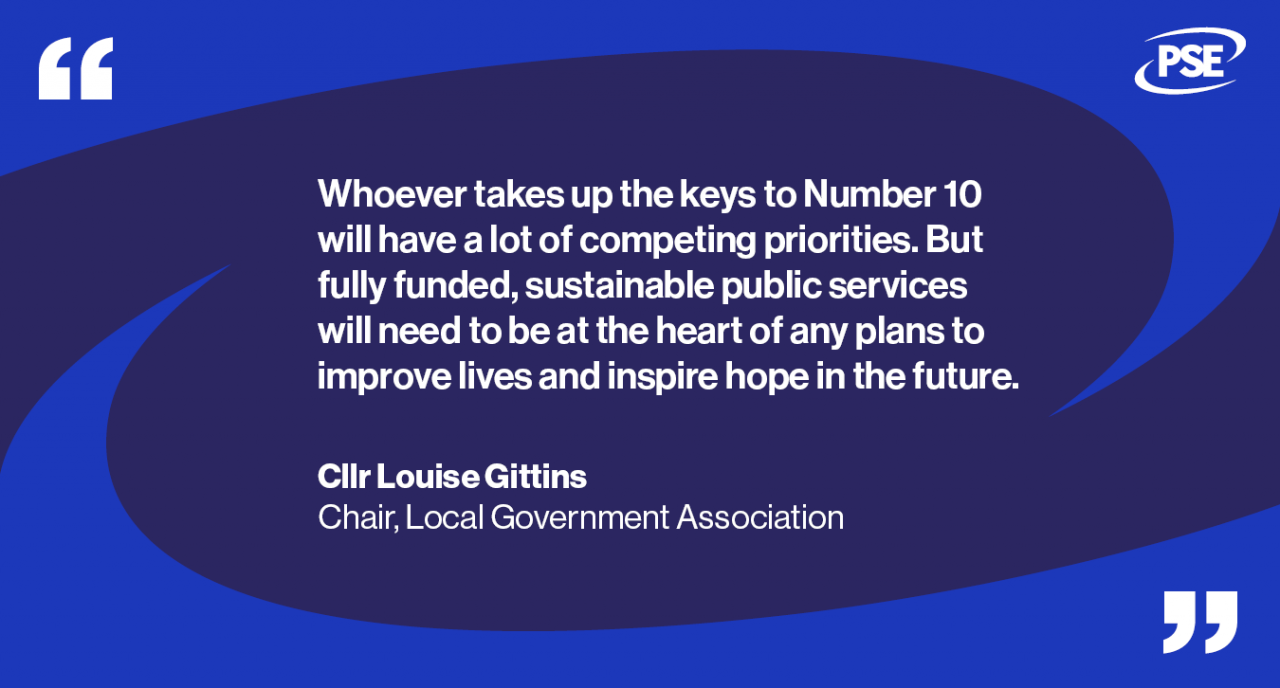
Image credit: iStock