
London’s long-running battle against air pollution is delivering measurable public health gains, according to new independent analysis highlighting a significant reduction in pollution-related deaths across the capital.
Research conducted by Imperial College London’s Environmental Research Group indicates that the number of premature deaths linked to air pollution has fallen by approximately 40 per cent between 2019 and 2024. The findings provide fresh evidence that sustained policy interventions – particularly the expansion of the Ultra Low Emission Zone (ULEZ) – are having a substantial impact.
The study shows a sharp fall in key pollutants associated with serious health conditions:
- Nitrogen dioxide (NO2) levels have dropped by 41 per cent
- Fine particulate matter (PM2.5) has been reduced by 28 per cent
Both pollutants are closely linked to respiratory disease, cardiovascular conditions and long-term health impacts such as lung cancer and impaired child development.
The analysis uses updated modelling techniques, applying the same methodology to both 2019 and 2024 figures to ensure a consistent comparison. While earlier estimates suggested around 4,000 deaths annually in 2019, revised calculations place the figure between 6,400 and 8,000. By 2024, this has fallen to between 3,800 and 5,100—representing a dramatic improvement.
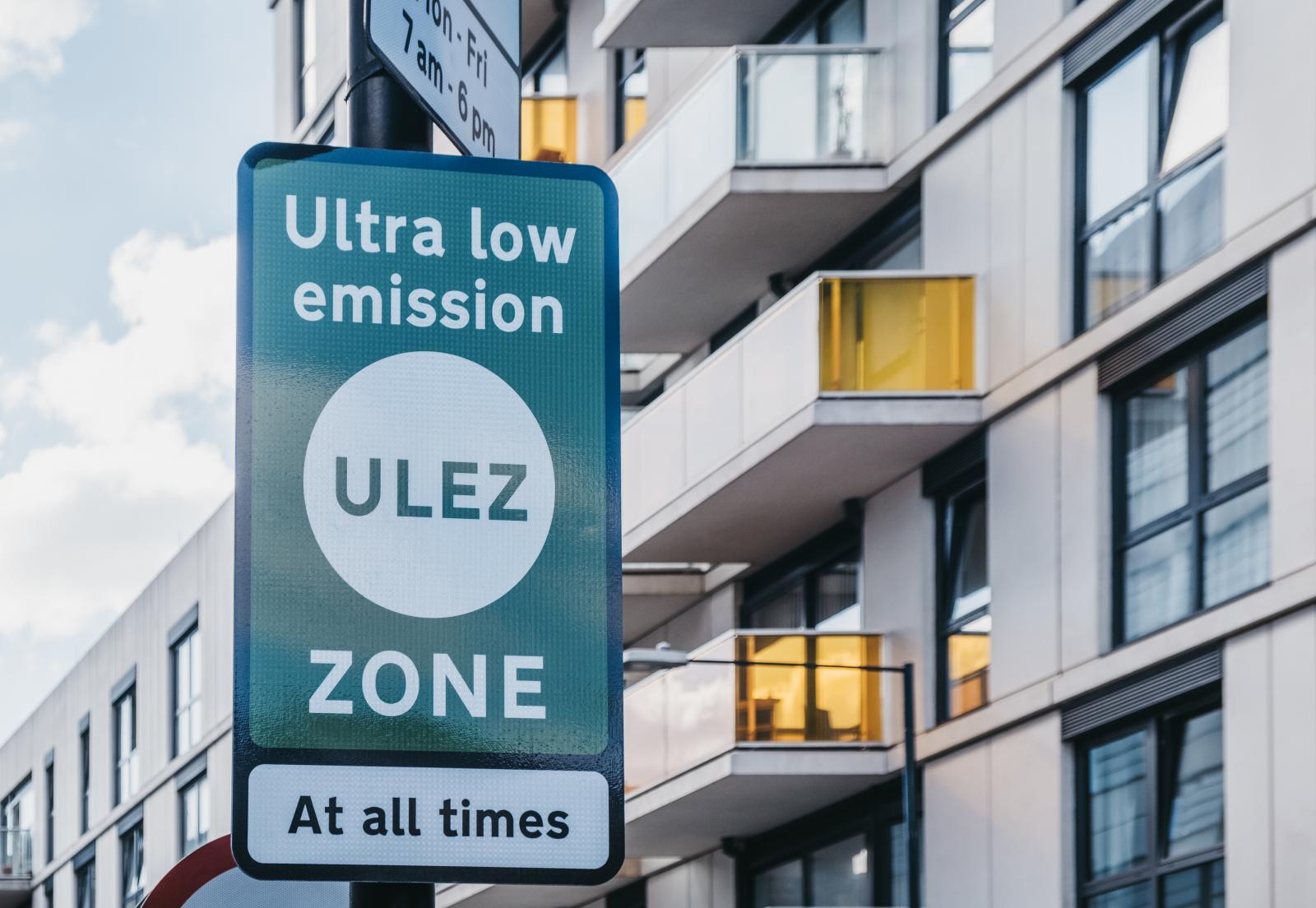
The introduction and subsequent expansion of the ULEZ has been a cornerstone of London’s strategy. First launched in central London in April 2019, it was expanded to inner London in 2021 and extended city-wide in August 2023. The scheme now covers more than 9 million residents, making it the largest clean air zone of its kind globally.
Despite initial criticism, particularly from outer London boroughs, the latest data suggests these areas remain among the most affected by pollution-linked mortality. Boroughs such as Bexley, Havering and Sutton show higher death rates per 100,000 residents, highlighting the vulnerability of older populations and reinforcing the case for a London-wide approach.
Separate research from Imperial College London points to wider system benefits. Since the introduction of the Toxicity Charge and central ULEZ:
- Heart-related emergency admissions have fallen by 9.3 per cent
- Hospital admissions overall have declined by 5.1 per cent
The public health burden of air pollution remains significant, however, with 2024 costs estimated between £3.8 billion and £5.1 billion.
Emerging evidence continues to strengthen links between air pollution and conditions such as dementia, type 2 diabetes and childhood asthma – suggesting that the full benefits of intervention may extend even further than currently measured.
In a major milestone, London met legal nitrogen dioxide limits for the first time in 2024, nearly two centuries earlier than previously forecast without intervention.
Mayor of London Sadiq Khan said:
“The evidence is now overwhelming and unarguable: the bold action we have taken in London has reduced pollution, improved public health and saved lives. From childhood asthma to dementia, we know that a wide range of illnesses are linked to air pollution. This latest data shows why expanding ULEZ London-wide was even more important than we previously thought and is transforming lives right across our capital.
“It’s great to be back at the Aldgate School, which I first visited after being elected as Mayor in 2016 to meet children who were trying to protect their playground from air pollution. Back then, I was told that under London’s current policies, it would take almost 200 years to bring the air within legal limits. We’ve done it in nine.
“The decision to expand the ULEZ was not an easy decision, but it’s now proven beyond doubt that it was crucial to protect the health and lives of Londoners. However, I’m not complacent. Despite our incredible progress, there is still more to do.”
Since 2016, City Hall has implemented a range of interventions to drive emissions down:
- Launch of the ULEZ, delivering a 27 per cent reduction in roadside NO2
- Removal of more than 53,000 high-polluting vehicles via a scrappage scheme
- Investment in indoor air filtration for 200 primary schools
- Expansion of zero-emission buses from 30 to over 3,000
- £33 million in funding for over 100 air quality improvement projects
A visit to Aldgate School, where NO2 levels once breached legal limits, illustrated the tangible impact of these policies, with a reported 48 per cent reduction in nitrogen dioxide concentrations between 2016 and 2025.
Importantly for policymakers, the expansion of ULEZ has not adversely affected economic activity. Data suggests that footfall and retail spending have remained stable, with outer London experiencing a nearly 2 per cent increase in visitor numbers in the year following the scheme’s city-wide rollout.
Image credit: iStock