
Local leaders across England are set to gain unprecedented powers over transport, housing, skills and economic development under what the government is describing as the biggest transfer of power from Westminster in a generation.
In a landmark announcement, the Prime Minister today launched a sweeping package of devolution reforms designed to give communities greater control over the decisions that affect everyday life, from job creation and transport networks to housing delivery and public services.
At the heart of the reforms is a major change to local government finance. For the first time, English mayors will receive a share of locally generated income tax revenues, enabling regions to retain more of the economic benefits they create.
The government says the move will reward areas that successfully attract investment, create jobs and grow their economies, while giving local leaders greater flexibility to reinvest funds into local priorities.
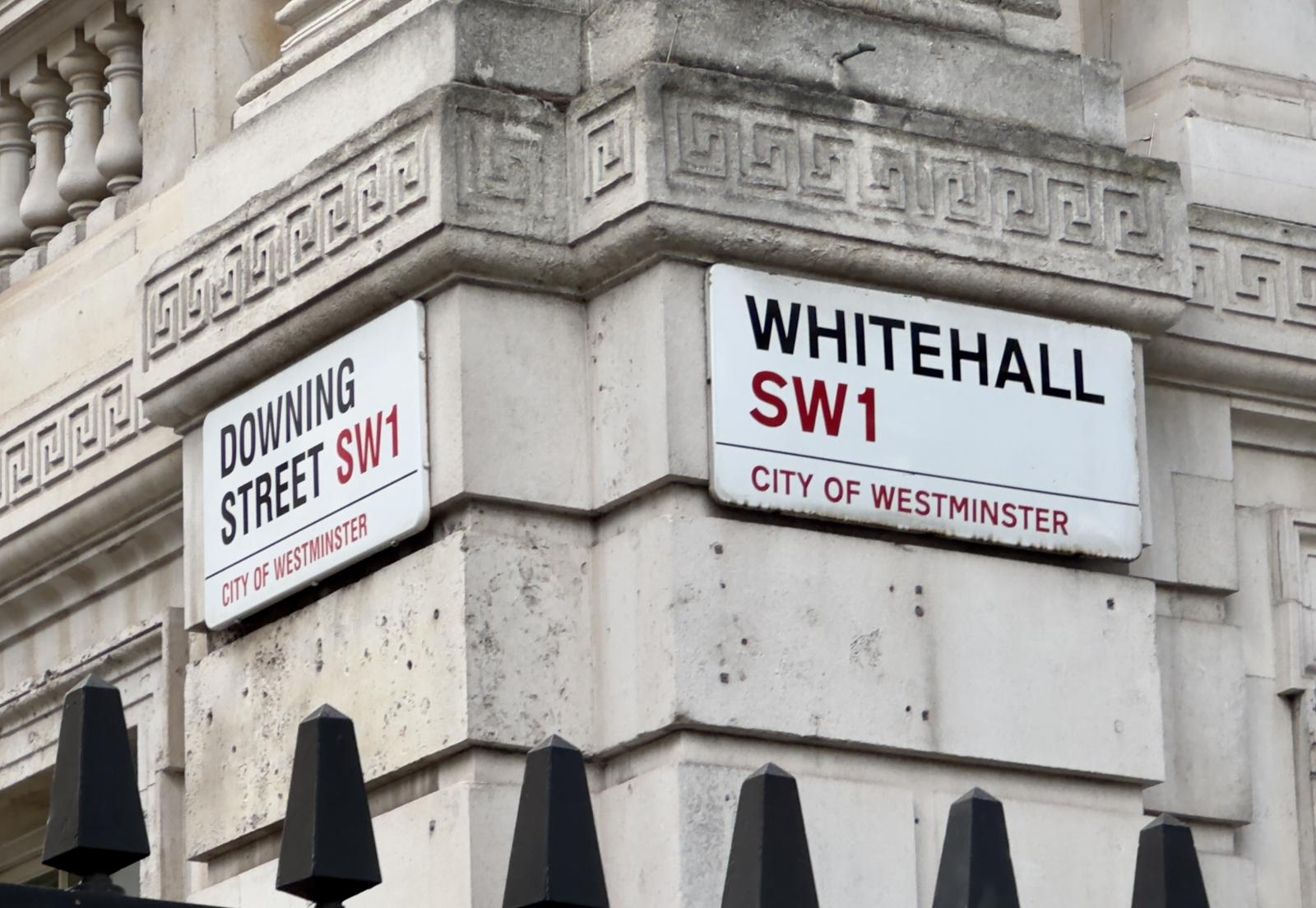
The Prime Minister will use a Cabinet meeting to signal the start of what ministers are calling a new era of devolution, placing responsibility and decision-making closer to communities rather than central government departments in Whitehall.
Prime Minister Andy Burnham said:
“I said we’d take power out of Westminster and carry it into every postcode in the country. Today, we make good on that promise.
“Under our plans, more of the taxes raised in a community will stay in that community. Soon, every local leader will have the power and resources to improve public transport, build homes and create jobs.
“I know what it’s like to be ignored by politicians in Westminster. I’m not going to make that same mistake now I’m PM.
“The whole of government will now pull together behind the people and places that desperately need our support. This is how we’ll bring back hope and bring power home to you.”
The government plans to begin the transition next spring, initially allowing mayors to retain a larger share of locally generated business rates. Further details on both business rates and income tax retention are expected to be set out in the Autumn Budget.
Officials say the reforms will gradually reduce local authorities’ dependence on Whitehall grants and instead create a system where local growth delivers direct financial rewards for communities.
The package represents the largest offer of fiscal freedom ever made to English mayors and is intended to create stronger incentives for economic development at a local level.
A central feature of the reforms is the introduction of a new "local first" principle. Ministers and civil servants will be expected to justify why powers should remain in Whitehall rather than being devolved to regional leaders.
The government argues that the current Whitehall-led model has often slowed decision-making and limited the ability of local areas to respond quickly to economic and social challenges.
The changes will also be supported by an expanded No10 North operation, working directly with mayors and local leaders to remove barriers to growth, accelerate infrastructure delivery and strengthen links between government and communities.
Under the proposals, mayors and local leaders will gain greater control over several key policy areas.
Transport
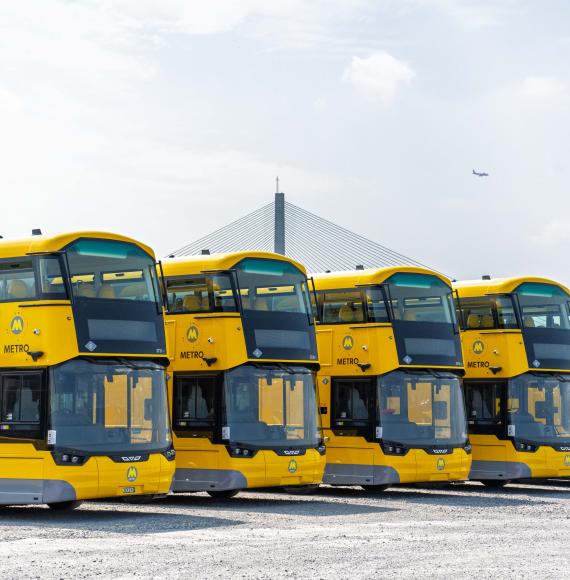
Regional leaders will receive enhanced authority over rail and bus services, helping create integrated transport networks and ticketing systems while improving service reliability.
Mayors will also gain greater influence over major transport schemes, including trams, metro projects and other infrastructure investments, with fewer Whitehall approvals required.
Housing and Planning
Local leaders will receive stronger planning and regeneration powers, alongside more devolved funding, to unlock stalled developments and accelerate housebuilding.
Ministers believe these changes will help address housing shortages while allowing communities to play a larger role in shaping local growth.
Skills and Employment
Responsibility for 16-19 education funding and employment support programmes will be devolved, enabling regions to align training provision more closely with local labour market needs.
The government says this will help young people access skills required by local employers while ensuring tailored support is available for people looking to return to work.
The reforms are also intended to strengthen local economic development strategies by enabling regions to support key industries, attract investment and create higher-paid jobs.
Importantly, ministers have pledged that where responsibilities are devolved, the associated Whitehall resources will also follow.
Secretary of State for Housing, Communities and Local Government Angela Rayner said:
“This is the first step in our plan to rewire this country and build a better future, where power is no longer hoarded in Westminster but is put back in the hands of local people – where it belongs.
“Our devolution revolution is about bringing an end to the begging-bowl culture of the past, and instead making sure our local leaders have the tools they need to drive the change that communities have been crying out for.
We need every region to be firing on all cylinders if we want good growth in every postcode, and we will do everything in our power to make that a reality.”
The government points to several examples where devolved powers have already delivered results.
In West Yorkshire, a £334 million Housing Investment Fund is helping bring forward housing developments on previously stalled sites.
The Liverpool City Region has introduced Tap and Go ticketing across Merseyrail services and is progressing plans to bring buses under local control, while rail services are due to return to public ownership by 2028.
Meanwhile, leaders in the North East have supported more than 65,000 residents to gain qualifications, improving access to employment opportunities in sectors such as construction and childcare.
Ministers argue that the UK has underinvested in long-term growth compared with other leading economies and believe that devolving power and funding decisions will unlock opportunities that have too often been overlooked.
The government's ambition is for every part of England to benefit from stronger local decision-making, whether through elected mayors or newly established strategic authorities.
If delivered as planned, the reforms could fundamentally reshape the relationship between local government and Westminster, giving communities a far greater role in determining their economic future while creating a more locally driven model of public service delivery.
Image credit: iStock