
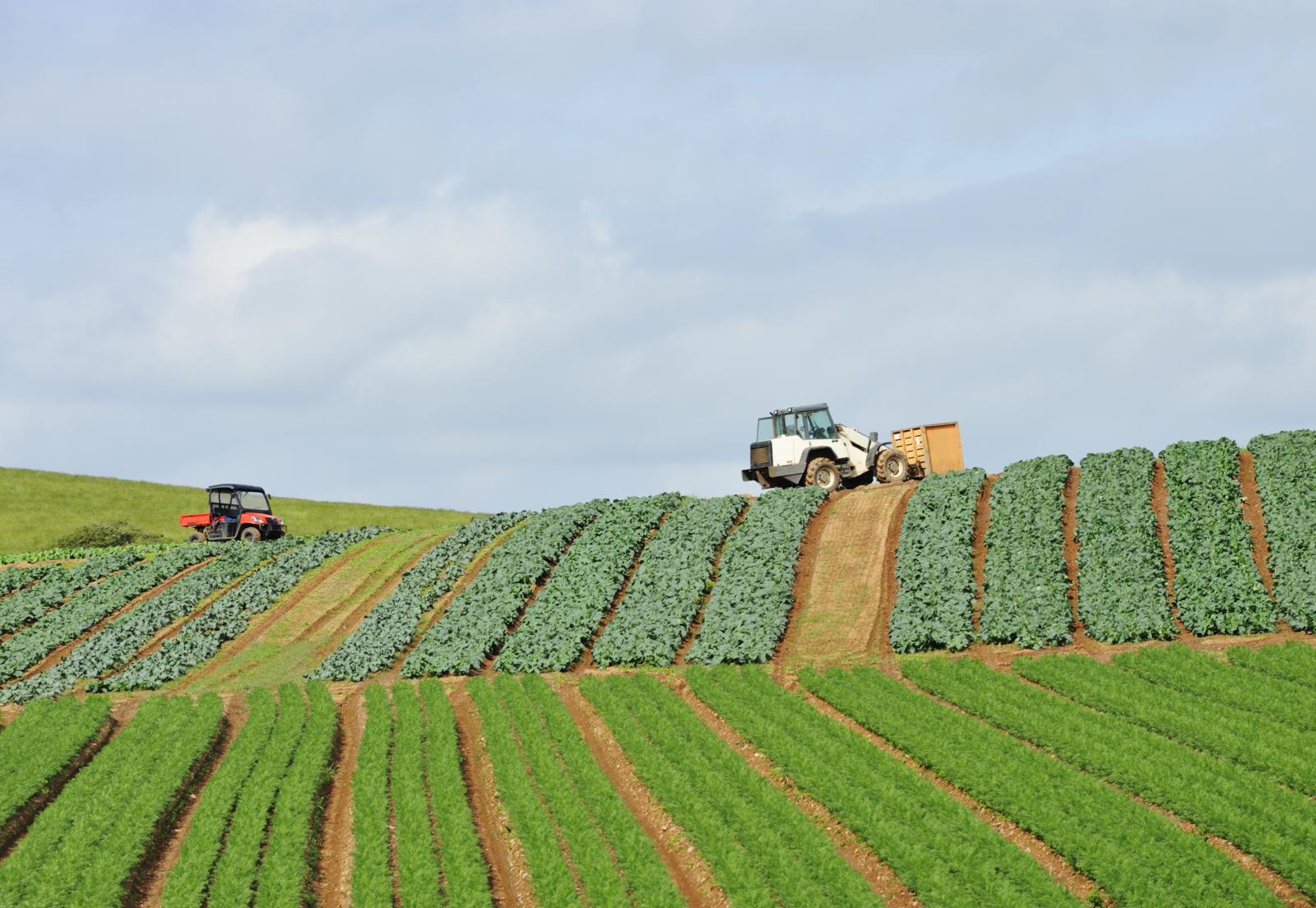

The Government has launched a new £20 million funding competition to accelerate the development of agricultural robots and automation technologies, helping farmers manage labour shortages and improve productivity across England.
Announced by Stephen Morgan, the latest investment will support innovative agri-tech businesses working alongside researchers and farmers to create the next generation of automated farming solutions. The programme will focus on technologies capable of planting, monitoring and harvesting crops, reducing pressure on farms during peak seasonal periods.
The funding forms part of the Government's wider Farming Innovation Programme and follows a recent £53 million investment package. Together, these commitments bring the total funding available for advanced farming research and technology this year to £123 million.
The initiative is designed to fast-track innovations that can undertake labour-intensive tasks traditionally reliant on seasonal workers. From automated seed planting systems to fruit-picking robots, the technology is expected to improve efficiency while supporting the long-term resilience of the farming sector.
Companies already benefiting from Government support are demonstrating the potential of agricultural automation. Fieldwork Robotics, for example, has developed a raspberry-picking robot and is using public funding to enhance its reliability and durability ahead of wider commercial deployment.
Farming Minister Stephen Morgan said:
“Farmers work incredibly hard to put food on our tables, often battling to find enough seasonal workers when the pressure is on.
“This funding will help put cutting-edge robots and technology into their hands, easing that burden while boosting yields and profits.
“It’s a vote of confidence in British ingenuity, and a big step towards the kind of modern, resilient farming we set out in our Farming Roadmap.”
The funding round is also open to livestock-focused projects. One example is Roboscientific's DETECT project, which is developing technology capable of identifying illness in dairy cows through breath analysis. The system aims to detect bovine respiratory disease before symptoms become severe, potentially reducing livestock losses, veterinary costs and additional workload for farmers.
Unlike the previous automation competition held in 2023, the latest round has been expanded to include applications from ornamental plant propagation and monitoring. These technologies could also be adapted for food-producing horticulture. Forestry projects are eligible too, including innovations supporting tree nursery operations, woodland monitoring and large-scale planting programmes.
Delivered in partnership with Innovate UK, the Farming Innovation Programme backs practical solutions to challenges faced by English farmers. The initiative supports the Government's commitment to invest at least £200 million in farming innovation by 2030, driving productivity, sustainability and food security across the sector.
Image credit: iStock