

The UK Government is pressing ahead with a new wave of online safety measures aimed at protecting 16 and 17-year-olds, introducing default overnight curfews and limiting addictive app features in a bid to improve wellbeing and support families.
Under the proposals, social media platforms will automatically switch on overnight restrictions between midnight and 6am for older teenagers. Core engagement features – such as autoplay videos and endlessly personalised content feeds – will also be disabled by default for this age group.
These changes are designed to complement the Government’s previously announced ban on social media access for under-16s, due to come into force from Spring next year. Ministers say the new rules will ensure a smoother transition into later adolescence, avoiding a sharp drop-off in protections.
Balancing independence with protection
The policy aims to strike a balance between safeguarding young people and respecting their growing autonomy. While restrictions will be applied by default, teenagers will retain the ability to adjust settings if they choose.
A large-scale pilot involving more than 300 teenagers and parents across the UK has already tested the approach. According to Government findings, families reported that overnight curfews were widely adopted into daily routines and led to improved sleep patterns and better concentration during the day.
Technology Secretary Liz Kendall said:
“Our consultation provided a clear message from parents and teenagers alike - even as young people gain greater independence at 16, they should still be protected from the most addictive online features that can have a harmful impact on their wellbeing.
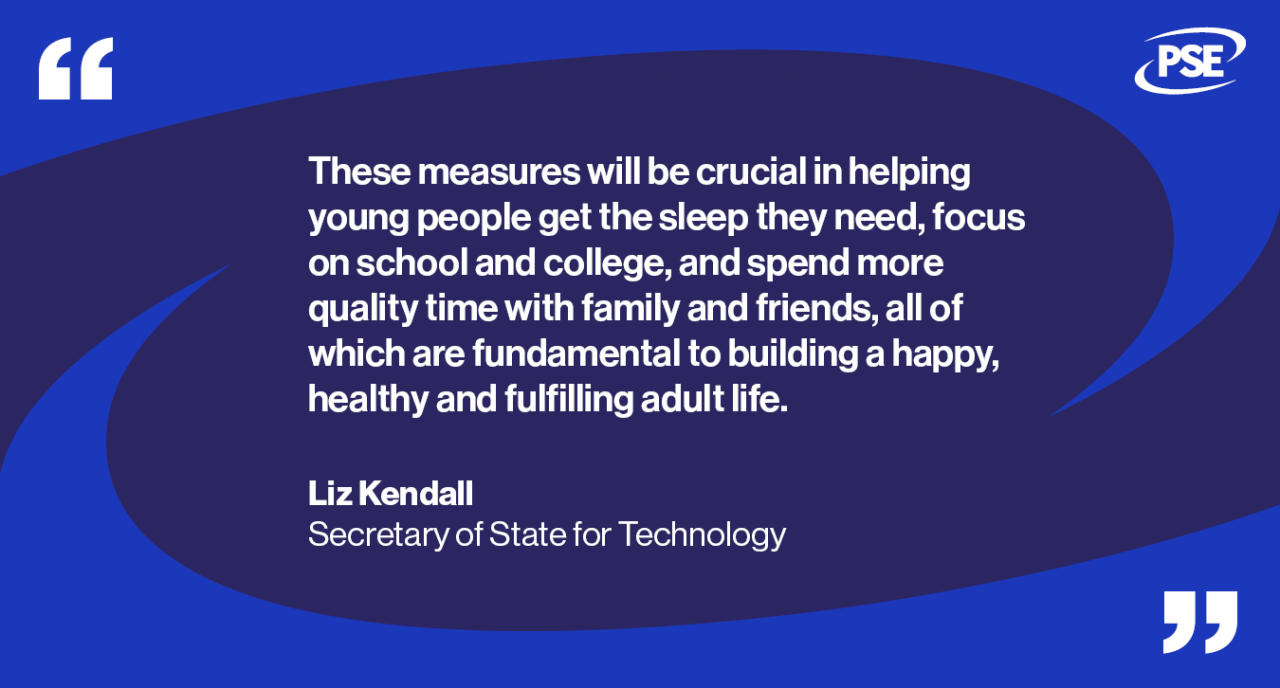
“These measures will be crucial in helping young people get the sleep they need, focus on school and college, and spend more quality time with family and friends, all of which are fundamental to building a happy, healthy and fulfilling adult life.
“We want young people to enjoy the benefits of technology while having the tools to make the online world a place where they can thrive.”
New AI safeguards for young users
Alongside social media reforms, the Government is preparing a broader package of measures to improve the safety of AI chatbot use among children and teenagers.
Planned interventions include:
- Introducing prompts encouraging regular breaks for under-18s to promote healthier digital habits
- Working with regulators to tackle platforms offering misleading or unverified mental health advice
- Considering stronger enforcement measures, including banning chatbots deemed a serious risk to children
In parallel, new guidance for families will be rolled out through the Kids Online Safety Hub, helping parents, carers and young people understand how to use AI tools responsibly.
Strengthening digital resilience through education
The Government is also embedding digital safety more firmly in schools. Updates to Relationships, Sex and Health Education and the National Curriculum will equip pupils with the skills needed to navigate emerging technologies.
This includes:
- Understanding artificial intelligence and chatbot technologies
- Identifying misinformation and disinformation
- Recognising harmful online content, including violent and misogynistic material
Implications for public sector leaders
For professionals across education, children’s services, digital policy and safeguarding, the measures signal a continued shift towards proactive oversight of young people’s online environments.
Key considerations include:
- Schools and academies will need to align curriculum updates and reinforce media literacy programmes
- Local authorities and safeguarding teams may see increased expectations around digital wellbeing guidance
- Public health and youth services could integrate online behaviour into broader wellbeing strategies
As the UK moves towards stricter regulation of digital platforms for young users, the focus is firmly on prevention – ensuring healthier habits are established early, rather than responding to harm after it occurs.
Image credit: iStock