
The Mayor of West Yorkshire, Tracy Brabin, has signed a landmark agreement with key rail partners, marking a major step towards creating a more integrated, reliable and passenger-focused railway across the region.
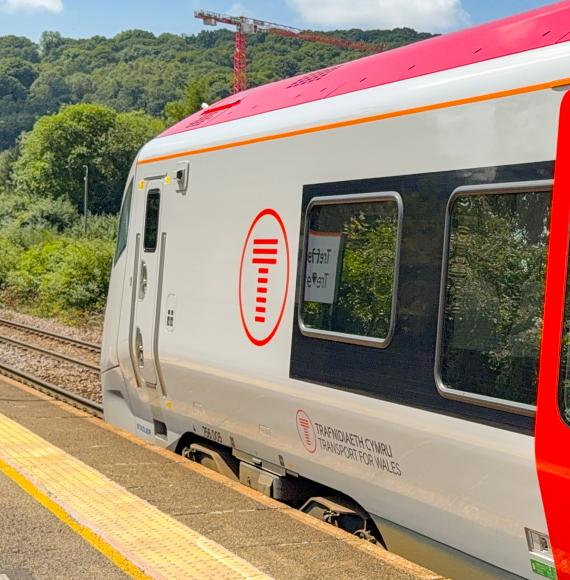
The Memorandum of Understanding, agreed between the West Yorkshire Combined Authority and leading rail organisations, is the first of its kind. It brings together Network Rail alongside publicly owned operators Northern, TransPennine Express and LNER, signalling a new era of collaboration ahead of the proposed creation of Great British Railways.
A new phase for regional rail leadership
The agreement sets out a shared commitment to work in closer partnership as the rail industry prepares for structural reform under GBR – the future national body designed to integrate infrastructure and services. Crucially, it places West Yorkshire in a stronger position to shape rail services locally while national changes are still being finalised.
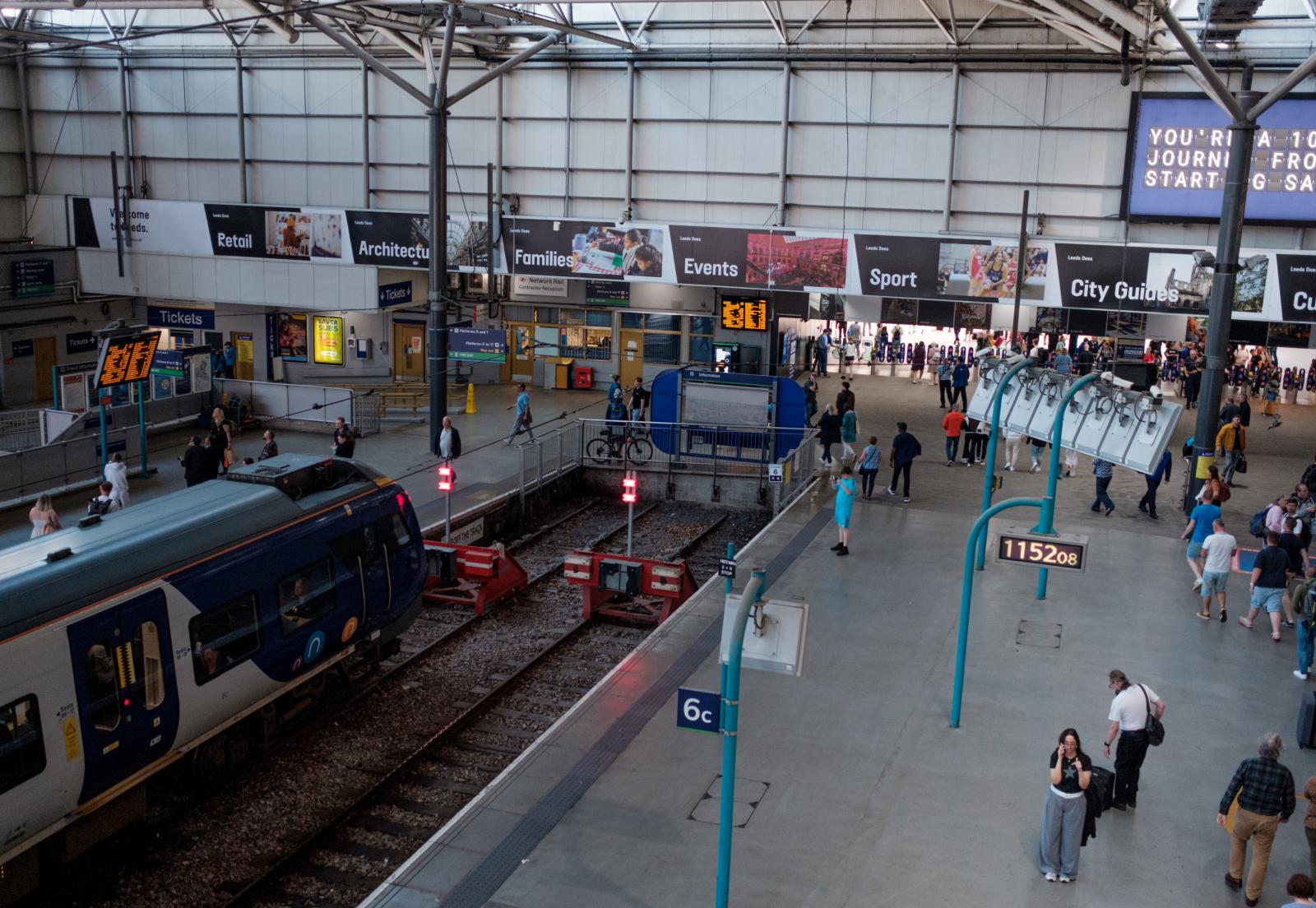
This builds on existing collaboration, including major infrastructure projects such as the ongoing transformation of Leeds Railway Station. However, the MoU marks a decisive shift, with the Combined Authority taking a more central role in influencing investment decisions, service improvements, and long-term planning.
Delivering benefits before national reform
Rather than waiting for formal legislative changes, the agreement is designed to accelerate the benefits of rail reform at a regional level now. Partners have committed to a unified programme focused on improving reliability, connectivity, and passenger experience.
Key shared objectives include:
- Better integration between rail and other transport modes through the Mayor’s Weaver Network
- Supporting economic growth and regional investment opportunities
- Increasing passenger and freight usage through improved performance
- Enhancing safety, with a particular focus on women and girls travelling on the network
The partnership also aligns closely with the Mayor’s Local Transport Plan, which prioritises productivity, inclusive growth, improved public health outcomes and tackling the climate emergency.
Major projects and investment coordination
A central feature of the agreement is improved coordination across major infrastructure programmes, including the Transpennine Route Upgrade and Northern Powerhouse Rail. By aligning priorities, partners aim to speed up decision-making and maximise the impact of investment across the network.
A programme of work has been agreed through to 2028, including:
- A jointly developed Weaver Network Rail vision document
- Accessibility improvements at stations across West Yorkshire
- A rolling programme of station upgrades to enhance the customer experience
- Progression of new stations, including Elland and Thorpe Park
- A joint study exploring further service improvements across the region
These initiatives are expected to play a key role in strengthening connectivity between communities, supporting housing and employment growth, and delivering a more seamless transport network.
Governance and wider regional collaboration
Oversight of the partnership will be delivered through a new Strategic Rail Partnership Board, supported by closer working across operational and strategic levels within each organisation.
The agreement also includes a commitment to work with neighbouring regions, recognising that economic growth and transport connectivity extend beyond administrative boundaries.
Regional leadership at the forefront of rail reform
Speaking on the agreement, Mayor Tracy Brabin said:
“Our region deserves a modern rail network – and this agreement shows we are ready to take on a bigger role in shaping the railway, so it matches our ambitions.
“By working hand in hand with our rail partners, we can deliver more reliable services, better stations and a smoother, better-connected journeys for passengers as part of our Weaver Network.
“This partnership puts West Yorkshire at the forefront of rail reform, ensuring our communities see the benefits sooner – supporting growth, tackling the climate emergency and improving quality of life.”
A clear signal on devolution
The MoU also underlines the Government’s continued commitment to devolution, reinforcing the principle that transport decisions should be made closer to the communities they serve.
For public sector leaders and infrastructure stakeholders, the agreement provides a practical example of how regional authorities can take a proactive role in shaping national reforms, unlocking earlier benefits for residents and businesses alike.
Image credit: iStock