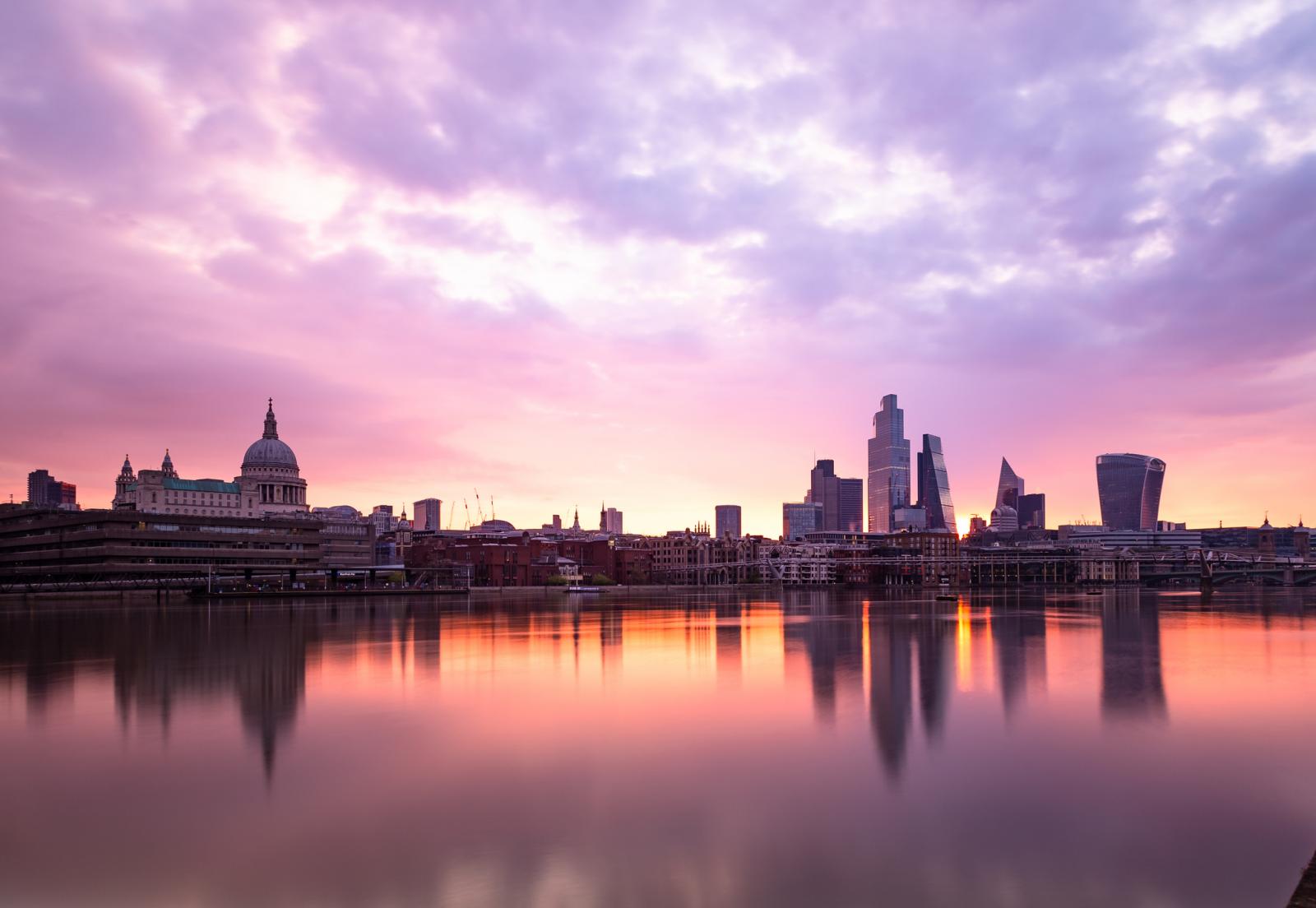

The Mayor of London, Sadiq Khan, has published a new draft London Plan, setting out a long-term blueprint to shape the capital’s development over the next 20 years. The revised strategy prioritises affordable housing delivery, economic growth and environmental sustainability, while aiming to simplify planning processes for developers.
At nearly half the length of the 2021 version, the updated plan has been streamlined to reduce complexity without diluting key standards. It reflects mounting pressures on the housing sector, including rising construction costs, high interest rates, workforce shortages and the lingering effects of Brexit and the pandemic.
Focus on affordable housing and growth
Central to the draft is an ambition to deliver up to 558,000 new homes by 2037, with a renewed emphasis on maximising affordable housing provision. The plan introduces a more flexible approach to ensure delivery remains viable under challenging economic conditions.
Alongside housing, the Mayor is positioning London as a global hub for emerging industries. There is a strong focus on creating space for sectors such as artificial intelligence, life sciences and green data centres – seen as critical to the capital’s future competitiveness.
Supporting London’s economic engine
The draft London Plan outlines targeted interventions to strengthen London’s role as the UK’s economic powerhouse, including:
- Expanding the Central Activities Zone and developing Strategic Economic Clusters
- Supporting key growth sectors such as logistics, freight and digital infrastructure
- Ensuring sufficient industrial land while enabling housing in well-connected areas
This approach aims to create new opportunities for businesses to invest, scale and innovate, while also generating good-quality jobs.
Revitalising high streets and cultural life
Recognising the ongoing evolution of retail and leisure, the plan includes measures to reinvigorate high streets and town centres. Local economies will be supported through investment in independent businesses, hospitality venues and community spaces.
London’s cultural sector also features prominently. The plan commits to protecting music venues, theatres and pubs, as well as enhancing the capital’s 24-hour economy – including developments such as the transformation of Oxford Street.
Balancing development and environmental priorities
Environmental sustainability remains at the heart of the strategy. The draft outlines measures to:
- Promote greener neighbourhoods and better air quality
- Expand sustainable transport options
- Increase biodiversity across developments
For the first time, the plan also signals a limited and highly controlled release of Green Belt land, with strict conditions attached. These include high levels of affordable housing, strong transport links and enhanced public access to green spaces.
In addition, the plan integrates climate resilience into new developments, encouraging design features such as natural ventilation and shading to address rising temperatures. Air conditioning is not prohibited but is framed as part of a broader toolkit for managing extreme heat.
A continuation of long-term planning
The draft builds on more than two decades of strategic planning in London, following the first London Plan published in 2004. It retains hallmark policies such as the threshold approach to affordable housing while continuing to push forward ambitious sustainability goals.
A 13-week public consultation is now open, running from 16TH July to 15th October 2026, giving Londoners and stakeholders the opportunity to shape the final version.
Mayor of London Sadiq Khan said:
“London’s success depends on how well we plan for growth and the choices we make about the kind of city we want to be. This new draft London Plan is a blueprint for how we can continue to build a fairer, greener and more prosperous London for everyone over the next 20 years.
“There are two key objectives that underpin this new plan: to build as many affordable homes for Londoners as possible in the years ahead, and to boost economic growth by creating the conditions for businesses to grow and thrive across the capital, including the industries of the future, like AI and life sciences.
“Over the last 10 years, we have built a record number of homes, but it’s a difficult time for housebuilding now due to a combination of high interest rates, the rising cost of construction materials, the legacy of the pandemic and the lasting impact of Brexit. The new plan is about doing everything possible to meet the challenges we face on housing, as well as ensuring we deliver good growth, protect London’s nightlife, revitalise local highstreets, and support the industries that will be crucial to London’s future economic success. This is how we can ensure our city remains the best place in the world to live, work and invest for decades to come.”
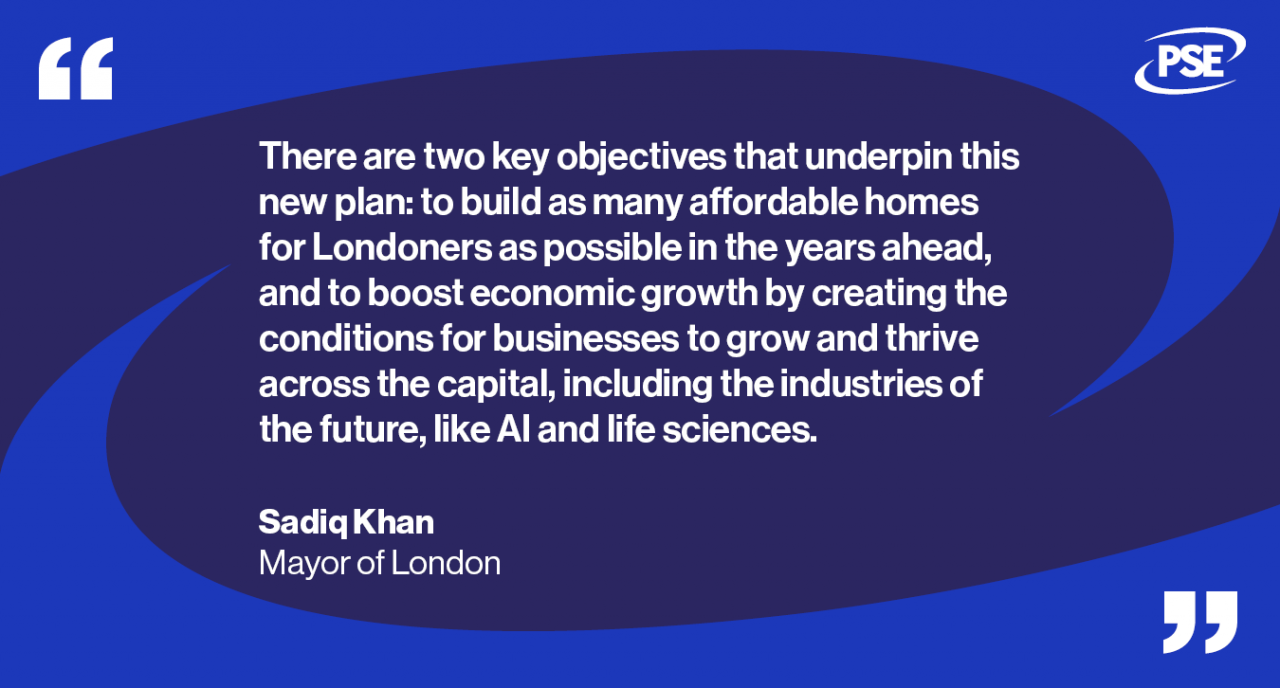
Image credit: iStock