

Leeds has taken a decisive step towards improving outcomes for young people by bringing together key partners from across the city to strengthen a shared ambition: ensuring every young person can access education, employment or training.
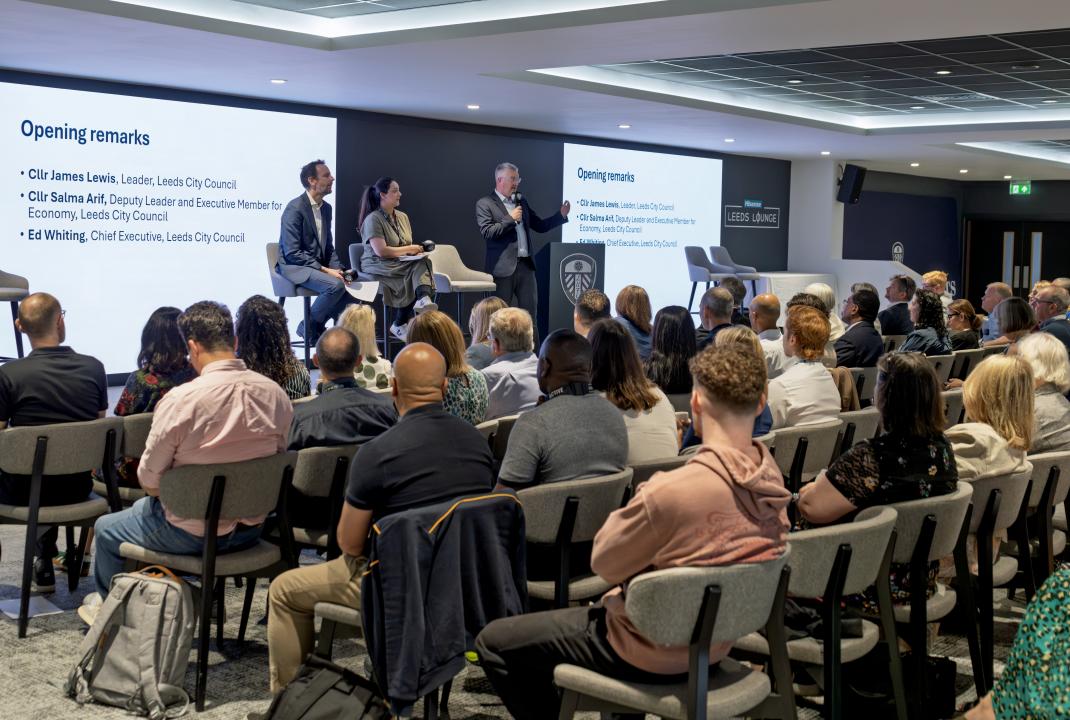
At a high-profile event held at Elland Road on Monday 6 July, senior leaders from education, employment and skills, health, and the voluntary sector convened to address growing concerns around young people who are not in education, employment or training (NEET). The gathering marked a renewed commitment to adopt a more coordinated, partnership-led approach to tackling economic inactivity and unlocking young people’s potential.
A critical moment for action
The event comes amid increasing national and regional focus on youth employment. Government initiatives such as the Get Britain Working White Paper, the rollout of the Youth Guarantee, and the independent review led by the Rt Hon Alan Milburn have placed renewed emphasis on helping young people into sustainable pathways.
Closer to home, West Yorkshire Mayor Tracy Brabin recently launched the ‘West Yorkshire Promise’, designed to ensure all young people experience the workplace before leaving education.
Against this backdrop, Leeds faces a pressing challenge. The city is experiencing higher-than-average NEET levels, with many young people encountering complex barriers including mental health difficulties, low confidence, and limited access to opportunities.
Building a coordinated response
Discussions at Elland Road focused on how Leeds can strengthen collaboration and improve outcomes through a more unified, system-wide approach. Partners explored a set of proposed actions that would underpin a more effective citywide response, including:
- Establishing clear strategic leadership and governance
- Strengthening multi-agency collaboration across education, skills, health and community organisations
- Developing a shared evidence base to better understand need
- Creating a coordinated NEET and youth employment strategy
There was also consensus around the importance of taking the time to fully understand the scale and complexity of the challenge in Leeds. These proposals lay the groundwork for the potential creation of a Leeds NEET Taskforce, in line with recommendations from the Milburn Review.
Political backing and long-term vision
Councillor Salma Arif, Leeds City Council’s executive member for economy, reinforced the city’s commitment to ensuring no young person is left behind:
“No young person in Leeds should be without a pathway into learning or work. This event marks an important step in bringing partners together to tackle a complex challenge and ensure we are doing everything we can to support young people to succeed.
“Supporting young people to engage with education and employment improves their long-term health, wellbeing and life chances, while helping to build the skilled workforce needed to support the city’s future growth.”
What happens next?
Following the event, partners will continue developing a detailed delivery plan focused on:
- Stronger coordination across services
- Improved data-driven decision-making
- Ensuring young people receive timely and appropriate support
This includes building on the existing 14–19 partnership across the city, progressing a shared strategy, and exploring the establishment of a Leeds NEET Taskforce.
A citywide commitment to future talent
The Elland Road event signals a clear intent from Leeds’ public, private and third sector leaders to work collectively in addressing youth unemployment and inactivity. With national policy momentum aligning with local ambition, the city is positioning itself to deliver meaningful change—supporting young people into brighter futures while strengthening the workforce needed for long-term economic growth.
Image credits: Leeds City Council