
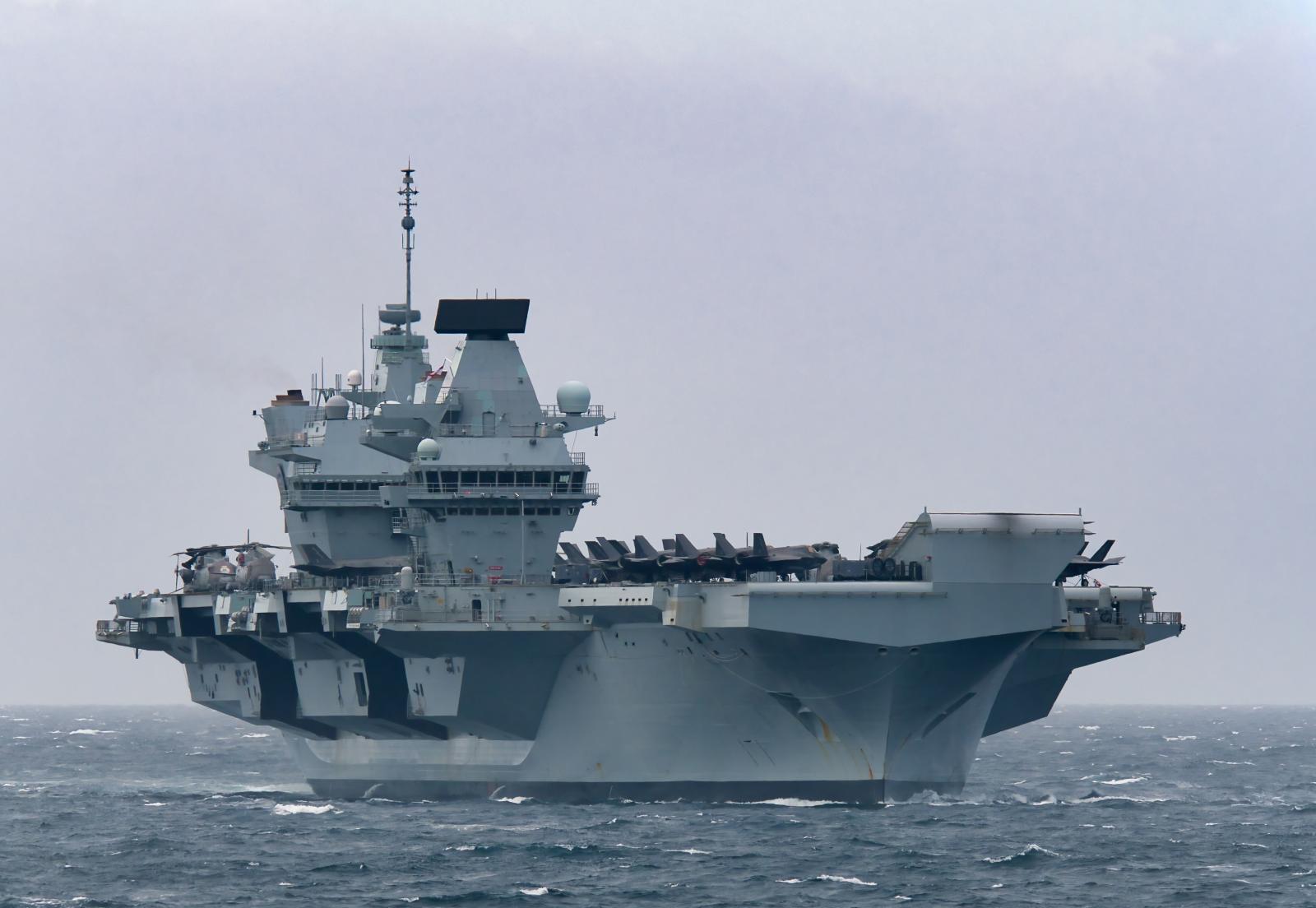

The UK Government has unveiled a landmark £26 billion, ten-year investment programme to modernise the Royal Navy’s three core bases, signalling a major shift towards enhanced warfighting readiness and long-term operational resilience.
During a visit to HMNB Clyde, Luke Pollard MP, Minister for Defence Readiness and Industry, confirmed that HMNB Clyde, HMNB Devonport and HMNB Portsmouth will all undergo extensive upgrades. The programme marks the largest investment in naval infrastructure since the end of the Cold War.
Transforming the UK’s Naval Backbone
The funding, outlined in the recently published Defence Investment Plan, will see critical infrastructure across the three bases modernised, ensuring they are equipped to meet the challenges of an increasingly volatile global security environment.
Key improvements include:
- New docking ports and upgraded waterfront facilities
- Refurbished and modernised buildings
- Construction of Single Living Accommodation for personnel
- Enhanced training, engineering and R&D capabilities
Collectively, these measures are designed to improve Royal Navy readiness, availability and operational lethality.
Scotland at the Centre of Investment
A significant proportion of the funding will be directed towards HMNB Clyde, home to the UK’s nuclear deterrent and the Royal Navy’s submarine centre of specialisation. The move reinforces Scotland’s central role in national defence infrastructure and is expected to generate widespread economic benefits across the West of Scotland.
Speaking at the announcement, Luke Pollard MP said:
“The threats facing the United Kingdom are real and they are growing. This Government is not waiting – we are acting now to ensure our Royal Navy has the bases and infrastructure it needs to be ready to fight. This £26 billion investment is the largest in our naval bases since the Cold War, and Scotland is central to it.
“Clyde is critical to our nation’s defence. This investment is securing thousands of jobs up and down the country and strengthening our Armed Forces for the challenges of today and the future.”
Wider Defence Boost: RAF Contracts and Strategic Assets
Alongside naval upgrades, the Government confirmed over £240 million in RAF sustainment contracts benefiting Scotland, supporting more than 380 jobs.
Key developments include:
- A £115.2 million contract extension awarded to Boeing Defence UK for maintenance of the RAF’s P‑8 Poseidon fleet at RAF Lossiemouth, protecting over 200 jobs and supporting apprenticeships
- A £127.5 million contract for E‑7 Wedgetail aircraft sustainment, expected to support around 180 roles and create up to 80 new positions
In addition, the Ministry of Defence has completed the acquisition of the Finnart Oil Terminal in western Scotland. The multi-million-pound purchase strengthens sovereign fuel storage capacity while creating further skilled employment and supporting the broader defence supply chain.
Strengthening Industrial Resilience
Backing for critical maritime infrastructure continues with a £20 million investment in Inchgreen Marine Park. The project will revitalise one of the UK’s largest operational dry docks and establish a new skills centre, supporting around 350 direct jobs.
Delivering on Strategic Defence Commitments
This ten-year naval infrastructure programme forms part of the wider £298 billion Defence Investment Plan and directly supports the Strategic Defence Review’s focus on combat readiness and industrial resilience.
For public sector leaders, the scale of this commitment underscores a clear government priority: investing in defence infrastructure not only as a national security imperative but also as a catalyst for regional economic growth, skills development and long-term industrial capability.
Image credit: iStock