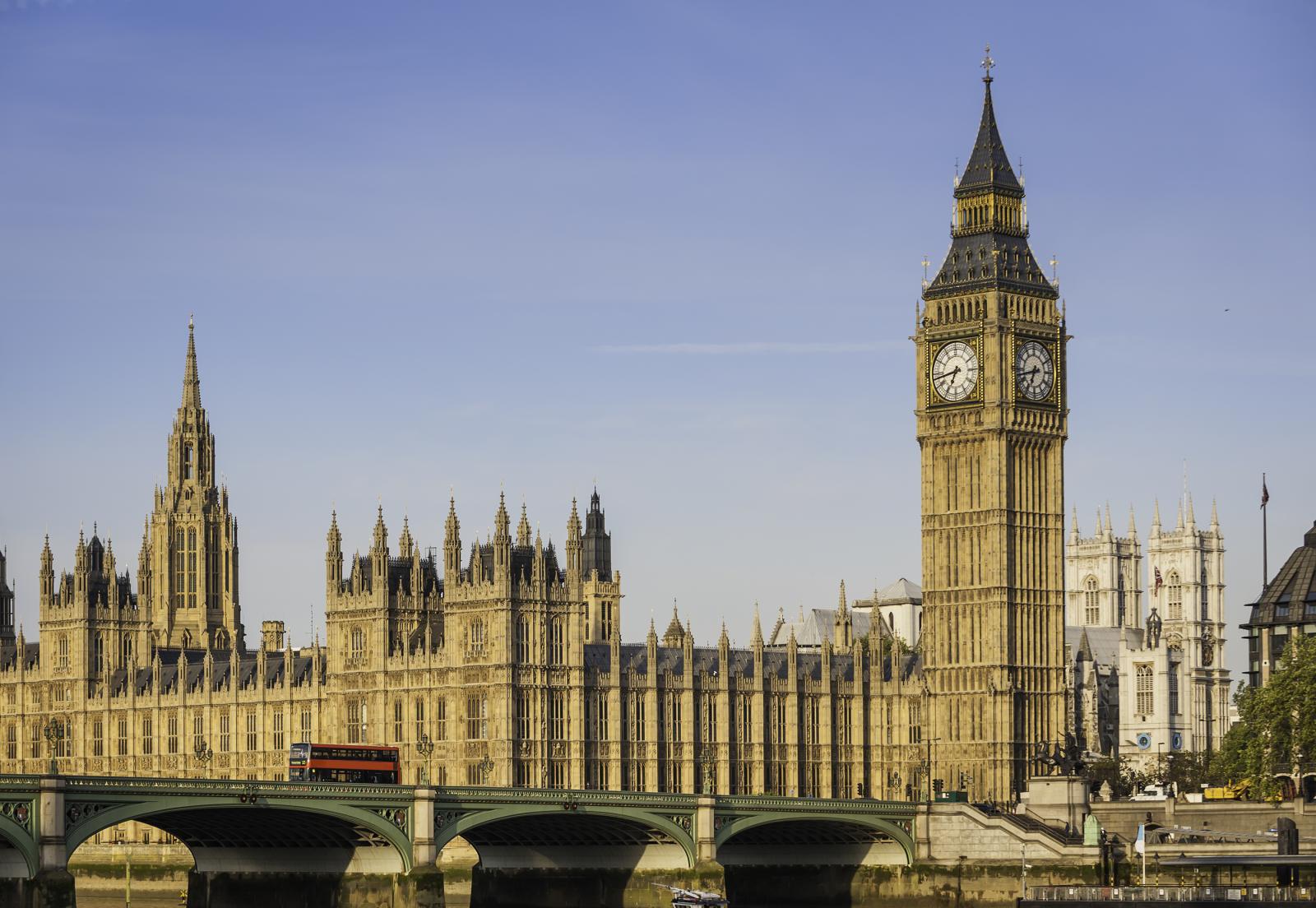
Chancellor Rachel Reeves stood at the despatch box in the House of Commons this afternoon to deliver her 2026 Spring Statement – a deliberately understated fiscal update that she was keen to frame as proof that her economic plan is working. For those in the public sector, the message was one of cautious stability, with no new bombshells on spending or pay, but with some significant signals about where the government is headed.
True to her word, Reeves kept this a low-key affair. The Chancellor has committed to reserving major tax and spending decisions for the annual Autumn Budget, and today's statement delivered on that promise. No new departmental cuts, no fresh pay announcements, and no policy reversals. The headline message was one of consolidation: the government believes its economic plan is working, and the OBR's updated forecasts broadly support that narrative.
For public servants who lived through the anxiety of last year's Spring Statement, when welfare cuts were announced to plug a fiscal gap, today will feel markedly calmer. The government appears to have bought itself breathing space through stronger-than-expected tax receipts and lower debt interest payments, with borrowing reportedly undershooting the OBR's previous forecast by around £10 billion.
The OBR revised its GDP growth forecast slightly downward for 2026 – from 1.4% to 1.1% - but upgraded its outlook for subsequent years, projecting 1.6% growth in both 2027 and 2028, then 1.5% in 2029 and 2030. Overall, GDP is forecast to grow by 5.6% across the parliament, with GDP per capita also rising more than previously expected.
For public sector leaders and commissioners planning services over the medium term, the improved trajectory from 2027 onwards is modestly encouraging. A growing economy typically means a stronger tax base and, over time, greater fiscal room for public investment.
Reeves also highlighted that unemployment, currently elevated, is forecast to peak later this year before falling in every subsequent year of the forecast period, ending the parliament at 4.1%. That matters to public sector HR leaders and workforce planners, particularly in the NHS, local government and education, where recruitment pressures remain acute.
The Chancellor confirmed that public sector net borrowing is forecast to fall steadily, from 4.3% of GDP this year to 3.6% in 2027, 2.9% in 2028, 2.5% in 2029, and 1.8% by 2030. Reeves noted that this year the UK is on course to borrow less than the G7 average.
This improving picture on the public finances is relevant for anyone watching the Autumn Budget. If borrowing continues to undershoot, it increases the Chancellor's fiscal headroom. Current estimates suggest that headroom could stand at around £20 billion, which may reduce the likelihood of further squeezes on unprotected departmental budgets when the next Budget arrives in the autumn.
The Chancellor cited the OBR's updated forecast showing inflation falling faster in 2026 than previously anticipated. The removal of green levies from household energy bills, announced at the Autumn Budget, is the biggest single contributor, with the government claiming the average household will save £150 a year from April.
For public sector workers, falling inflation matters enormously. It eases pressure on household finances, and historically shapes the environment in which public sector pay settlements are negotiated. If inflation returns close to the Bank of England's 2% target in the coming months – as now looks possible – it strengthens the case for pay rises to focus on real-terms improvements rather than simply keeping pace with the cost of living.
One area where the government is unambiguously expanding spending is defence. Reeves reiterated her pride in delivering "the biggest uplift in defence spending since the Cold War," pointing to £650 million committed in January to upgrade Typhoon fighter jets, a new Royal Navy frigate launched from Rosyth, and a £1 billion helicopter deal with Leonardo. Defence spending is being raised to 2.5% of national income by 2030.
For those working in defence-related public sector roles, whether in the Ministry of Defence, procurement, or the wider defence industrial supply chain, this represents a sustained pipeline of investment and employment.
The Spring Statement is ultimately a holding position. The real decisions, on departmental spending envelopes, public sector pay, capital investment, and welfare, will come at the Autumn Budget, likely in October or November. The Spending Review, which will set multi-year budgets for departments, will be a defining moment for public services.
The OBR's previous analysis flagged that unprotected departments could face real-terms budget cuts of around 0.8% a year from 2026-27 if the government continues on its current path. That pressure has not gone away. Today's improved fiscal picture may soften the blow, but public sector leaders should plan cautiously for the autumn, rather than assuming the green shoots of today's forecasts will translate directly into departmental generosity.
The bottom line for public sector workers
Today brought no nasty surprises and some genuinely improved economic signals. But with the Spending Review and Autumn Budget still ahead, the most consequential decisions for public services remain to be made. Watch this space.