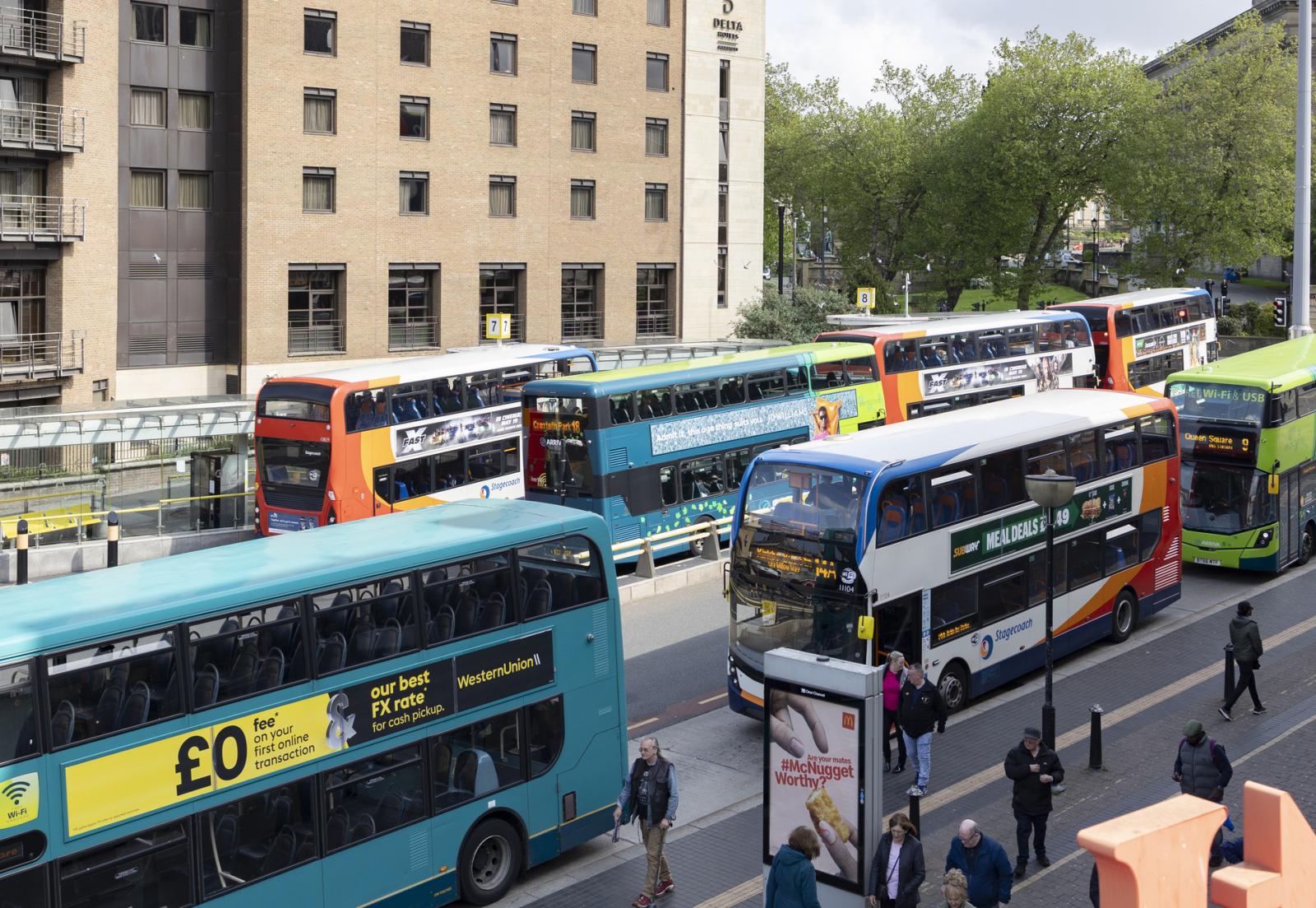

Millions of bus passengers across England are benefiting from cheaper fares, new routes and improved services, as local authorities put government funding to work in their communities.
With the cost‑of‑living crisis continuing to affect household budgets, councils are investing in bus services to reduce travel costs, improve access to jobs and education, and make public transport a more reliable option for everyday journeys.
The improvements come as the Government commits a further £3 million to support six mayoral authorities in developing bus franchising, building on the success of the Bee Network in Greater Manchester.
The funding will help establish local control over routes, fares and standards, ensuring services are designed around passenger needs.
The six authorities receiving funding are:
- Liverpool City Region Combined Authority
- North East Combined Authority
- West Yorkshire Combined Authority
- South Yorkshire Mayoral Combined Authority
- West Midlands Combined Authority
- Cambridgeshire and Peterborough Combined Authority
Across the country, councils are using funding to make travel more affordable, particularly for children and young people.
In the North East, passengers aged 21 and under are benefiting from £1 fares, easing the cost of commuting and supporting access to education and employment.
Meanwhile, in Barnsley, all residents aged under 18 are receiving completely free bus travel for the next two years, meaning young people no longer have to pay for school or college journeys.
In the West of England, the £1 fare cap for children has been extended until Spring 2029, providing ongoing support for families during a period of financial pressure.
Investment is also expanding access to bus services in rural and underserved areas. In Norfolk, a new bus route has been introduced connecting Great Yarmouth and Caister to Norwich, serving several villages that previously had no direct bus service into the city. The route is helping link isolated communities with employment, education, and other essential services.
The project highlights the Government’s commitment to breaking down barriers to opportunity in rural areas.
The Liverpool City Region, which is on track to franchise its bus services by the end of 2027, has maintained its £2 bus fare cap and introduced new express services into Liverpool city centre.
These changes are designed to improve journey times, reliability and affordability for commuters and visitors alike.
All of the schemes are supported by government funding, with more than £3 billion committed through the Local Authority Bus Grant between 2026 and 2029.
This funding gives local leaders the flexibility to:
- Keep fares low
- Expand services
- Improve frequency and reliability
- Invest in routes that passengers rely on most
The cumulative impact of these initiatives is a bus network that is becoming:
- More affordable for passengers
- More frequent and dependable
- Better connected, particularly in rural and less affluent areas
Jason Prince, Chair of the Urban Transport Group, said:
“Buses are the backbone of our public transport system. Local areas are investing in bus services like never before, with mayoral combined authorities leading the way in making their bus networks affordable, accessible and integrated.
“This £3 million funding boost, together with the new Bus Service Act, will unlock the future of bus reform and see local passengers and communities benefit from better bus services.”
For communities that have long lacked viable public transport options, the investment is delivering practical improvements that support everyday life and reduce reliance on private cars.
Image credit: iStock