
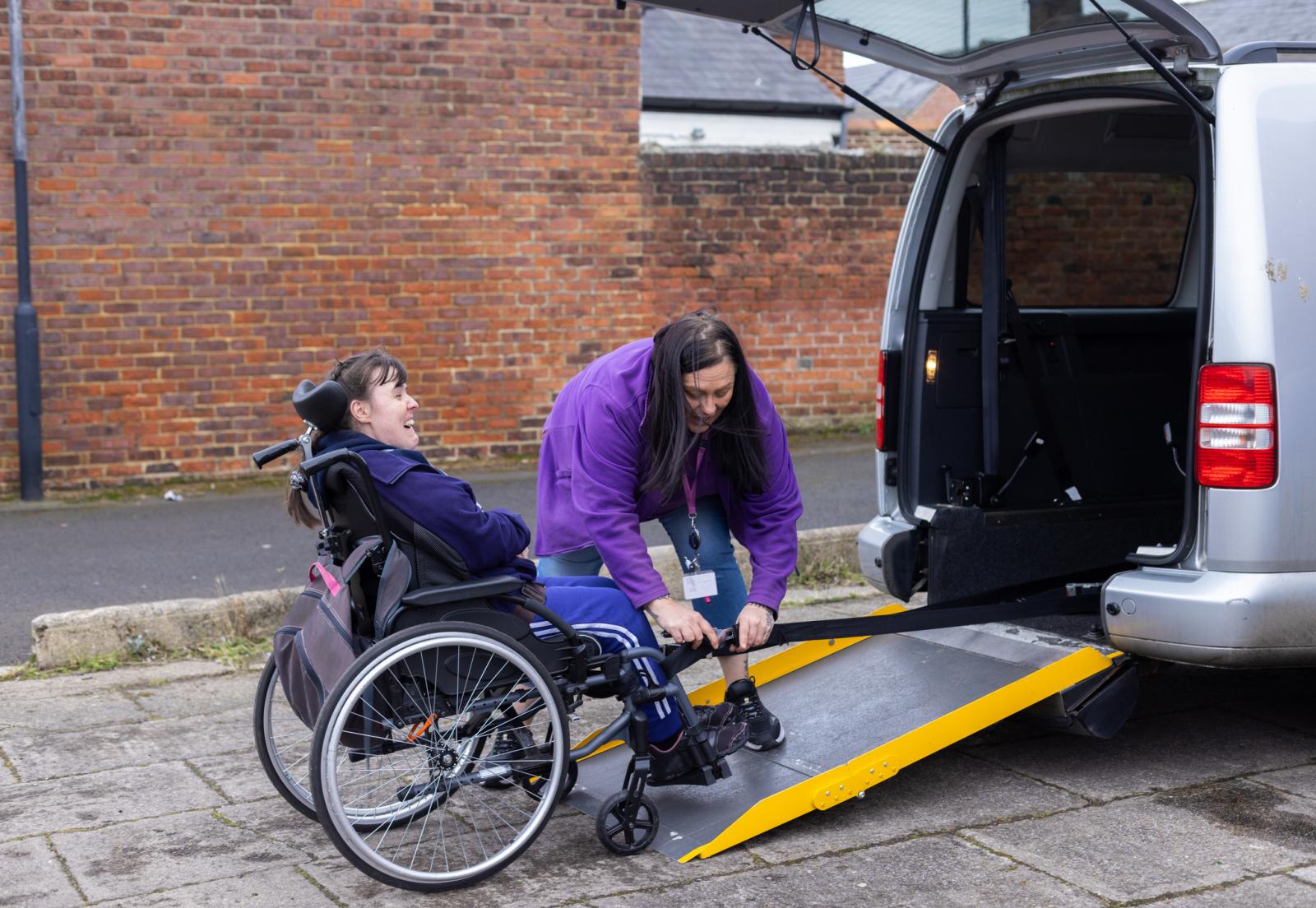

The Care Quality Commission has published details of its updated assessment approach and guidance for local authorities, following formal government approval.
The revised guidance is designed to help local authorities better understand how the CQC will continue to assess delivery of adult social care duties under Part 1 of the Care Act 2014, with improvements shaped by feedback, stakeholder engagement and learning from the regulator’s baselining programme.
The updated approach reflects extensive learning from early assessments, alongside feedback from local authorities, partners and wider stakeholders. These insights have been used to refine and strengthen the assessment framework, improving clarity, consistency and transparency across the process.
The CQC will continue to assess local authorities against the existing nine quality statements, organised across four themes, ensuring continuity while enhancing how evidence is gathered, judged and reported.
A key development in the updated methodology is the introduction of rating characteristics underpinning each quality statement.
These characteristics describe what care and support, as well as governance and leadership, are expected to look like at each judgement level within the assessment framework. This change is intended to improve consistency and give local authorities greater clarity on how their performance is evaluated.
Responding directly to learning and feedback, the CQC has confirmed it will now place greater emphasis and prominence on unpaid carers throughout its assessment activity.
Issues affecting unpaid carers will feature more strongly in assessment evidence, judgements and reporting, reflecting the crucial role carers play in adult social care systems and aligning with statutory responsibilities under the Care Act.
The updated CQC approach introduces greater flexibility, allowing the regulator to tailor its assessment activity depending on circumstances.
This includes the ability to conduct:
- Comprehensive assessments
- Focused assessments on specific areas of concern
In addition, the CQC will increasingly use its independent voice to share insights into wider patterns and themes in people’s experiences, highlighting quality issues as well as good practice across adult social care.
To strengthen understanding of local context, the CQC is introducing regular Local Authority Assurance Meetings.
These meetings will help the regulator understand:
- The context in which adult social care duties are being delivered
- Pressures faced by local authorities
- The impact on people’s experiences and outcomes, including those of unpaid carers
This development aims to support more informed assessments and more meaningful engagement with councils.
Following feedback, the CQC has also updated its information return, which will be issued to individual local authorities at the start of a comprehensive assessment.
The organisation has further improved its case tracking processes and is now introducing case sampling, building on successful pilots carried out during the baselining phase.
These changes are designed to ensure more robust evidence gathering and improve the accuracy and efficiency of assessments.
The CQC confirmed it will continue developing its tools and processes in collaboration with partners and stakeholders.
This includes further improvements to:
- Communication during and after site visits
- Quality assurance and factual accuracy checks
- Assessment reporting templates
Updates on these developments will be published as they are finalised, reinforcing the CQC’s commitment to openness and continuous improvement.
The CQC has confirmed it will begin issuing the first notifications and information returns to local authorities later this spring, marking the next phase in its adult social care assessment programme.
The updated approach represents a key step in strengthening assurance, supporting improvement and ensuring local authorities meet their responsibilities under the Care Act, while improving outcomes for people who draw on care and support.
Image credit: iStock