
The Government has declared an end to what it has described as an “era of neglect” on HS2, unveiling a major reset of the high-speed rail project designed to stabilise delivery, control costs and bring passengers onto trains sooner.
Speaking on Tuesday 19 May, Transport Secretary Heidi Alexander confirmed that the project will now be delivered at the lowest reasonable cost and as quickly as possible, following years of mismanagement, underestimation and inefficiency.
To achieve this, the Transport Secretary has convened the senior team that successfully delivered the Elizabeth Line, setting out new cost ranges, revised timelines and a programme to strip complexity out of the scheme.
Revised costs and delivery timetable
The Government now expects HS2 to cost between £87.7 billion and £102.7 billion. Around two thirds of this increase has been attributed to work omitted from the original scope, cost underestimation by previous governments and inefficient delivery. The remaining third is due to inflation.
Under the reset:
- First passenger services between Old Oak Common and Birmingham Curzon Street are expected to begin between 2036 and 2039
- The full scheme, including London Euston and a connection to the West Coast Main Line, is expected between 2040 and 2043
Ministers have also confirmed that HS2 trains will now operate at 320km/h (200mph), aligning the railway with high-speed networks across Europe and Japan. Previous plans to run trains at 360km/h were abandoned due to the absence of suitable UK test track, which was driving additional cost and delay.
The change in speed is expected to deliver savings of up to £2.5 billion and reduce delivery times by at least one year.
HS2 Ltd reset begins to show results
HS2 Ltd’s new leadership team, led by CEO Mark Wild, has already delivered tangible progress. Over the past 12 months, six major construction milestones have been reached ahead of schedule, alongside the removal of 300 bureaucratic roles and tighter scrutiny of supplier contracts.
Recent milestones include:
- The sliding of the A46 road bridge over the HS2 route in April 2025
- Installation of beams and overbridges near Calvert, Buckinghamshire, in August 2025
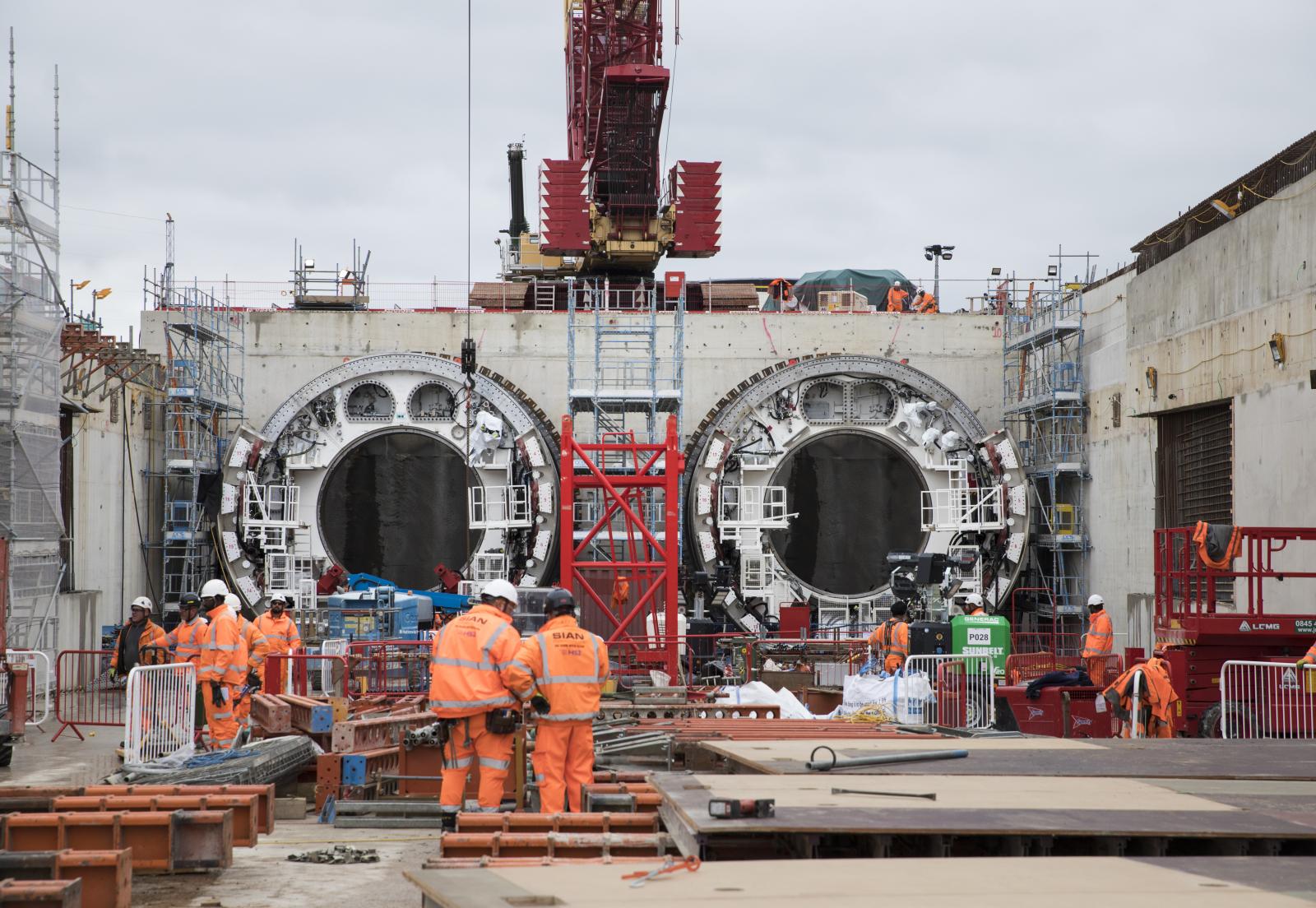
- Completion of boring the 3.5-mile Bromford Tunnel in Birmingham in October 2025
The Government says it remains fully committed to delivering HS2 in full between Birmingham and London, with a new assessment concluding that cancellation could cost as much as completion—while delivering none of the benefits.
Economic impact and regeneration
HS2 continues to be positioned as a major driver of growth. Forecasts indicate the project is already contributing £20 billion to the economy over the next decade around station sites and depots in the West Midlands and west London. This includes 63,000 new homes and 49,000 new jobs.
Commercial development at Euston alone is estimated to add £41 billion to the economy over the next 30 years and support 34,000 jobs, while more than 6,100 UK contracts have been awarded—over half to SMEs.
Government response and accountability
The revised cost ranges coincide with the publication of Sir Stephen Lovegrove’s report into the Civil Service’s role in HS2’s delivery to date. The Government has confirmed it will respond formally after considering the findings in full.
Funding for the HS2 reset is confirmed within the Department for Transport’s current Spending Review settlement, with no additional borrowing required. Funding beyond 2029–30 will be agreed in future Spending Reviews and aligned with the Government’s fiscal rules.
What ministers and HS2 leadership said

Transport Secretary, Heidi Alexander, said:
“Taxpayers, passengers and communities along the route have been let down by years of mismanagement on HS2.
“I share their anger about the waste and mess, but I am proud that this Government has worked with HS2’s new senior team to get this project off life support and on the road to recovery.
“We will get the job done but we will also take every opportunity to save time and money in the process, getting a grip on delivery, controlling costs, and stripping out the complexity that’s plagued the project in the past.
“We can and must build big infrastructure projects in Britain. But we also need competent people in charge of them. This is the same team that delivered the Elizabeth Line. We have done it before, we will do it again.”
Mark Wild, Chief Executive of HS2 Ltd, said:
“I recognise this will be unwelcome news for local communities and taxpayers, and I share in their disappointment that it will take longer and cost more to bring HS2 into service.
“Resetting HS2 was the only way to regain control of the project. We have turned a corner in the last 12 months with significantly improved levels of productivity, helping us to deliver major milestones ahead of schedule. We're also progressing with plans to bring HS2 into line with other high-speed railways in Europe - further reducing the project's complexity without compromising on benefits.
“Better journeys, more capacity on the network, and economic growth are all vital to the country’s future prosperity, and that’s exactly what we will deliver. Driven by the hard work of 31,000 people on the ground, HS2 is finally getting back on track.”
Image credits: HS2 & UK Government