
The government has announced significant reforms to the Government Major Projects Portfolio, aiming to sharpen central oversight, improve value for money, and ensure stronger delivery of the UK’s most important infrastructure and public service projects.
The changes, confirmed today, will see the GMPP reduced from more than 200 projects to around 80 from 1 April 2026, allowing more targeted support for the projects with the greatest national impact. Oversight of the portfolio now sits with NISTA, following the transition from the Infrastructure and Projects Authority.
Ministers say the refocused portfolio will help drive greater departmental accountability while ensuring expert scrutiny is applied where it can make the biggest difference.
In recent years, the GMPP has expanded significantly as the government has taken on a growing number of complex and large‑scale programmes. The reform recognises that central scrutiny must remain proportionate and focused.
Under the new model, a smaller, more selective portfolio will allow NISTA to prioritise:
- Expert assurance and advice on the most complex projects
- Improved confidence in delivery of benefits
- Stronger protection for taxpayers through better value for money
Departments and delivery bodies will continue to lead their own projects under ministerial direction, reinforcing local expertise and clear accountability for decisions and outcomes.
From April 2026, projects seeking entry into the GMPP must meet criteria set out in HM Treasury’s Approval Process guidance, alongside three additional tests:
- Support a top government priority
- Have whole‑life costs exceeding £1 billion
- Be projects that would benefit most from focused central scrutiny and support
Projects not meeting these criteria will leave the portfolio on 31 March 2026, though the government emphasised that removing a project from the GMPP does not reduce its importance.
Projects outside the portfolio will still undergo scrutiny where Treasury approval is required and must continue to share data with NISTA. Responsibility for assurance will largely return to departmental teams, strengthening autonomy and delivery ownership.
While its oversight role will narrow, NISTA will continue to expand its support offer through enhanced tools and delivery guidance, improved project data and insight, and earlier engagement in project lifecycle stages.
The intention is to ensure projects are better prepared from the outset, reducing delivery risks later on.
The reforms form part of a wider government agenda to speed up delivery, deploy specialist expertise more effectively, and strengthen decision‑making across departments, all underpinning the government’s growth strategy.
For the first time, the government has also set out a clear definition of “mega projects”. These are programmes that have whole‑life costs exceeding £10 billion, deliver transformational impacts on the economy, society or national security, and typically take more than 10 years to deliver.
In exceptional circumstances, such projects – or others deemed strategically critical or exceptionally high‑risk – may still be added to the GMPP if central oversight is expected to significantly improve confidence in delivery.
Chief Secretary to the Treasury, James Murray, said:
“For too long, projects have been run through overly complex systems that slow decisions down and blur accountability.
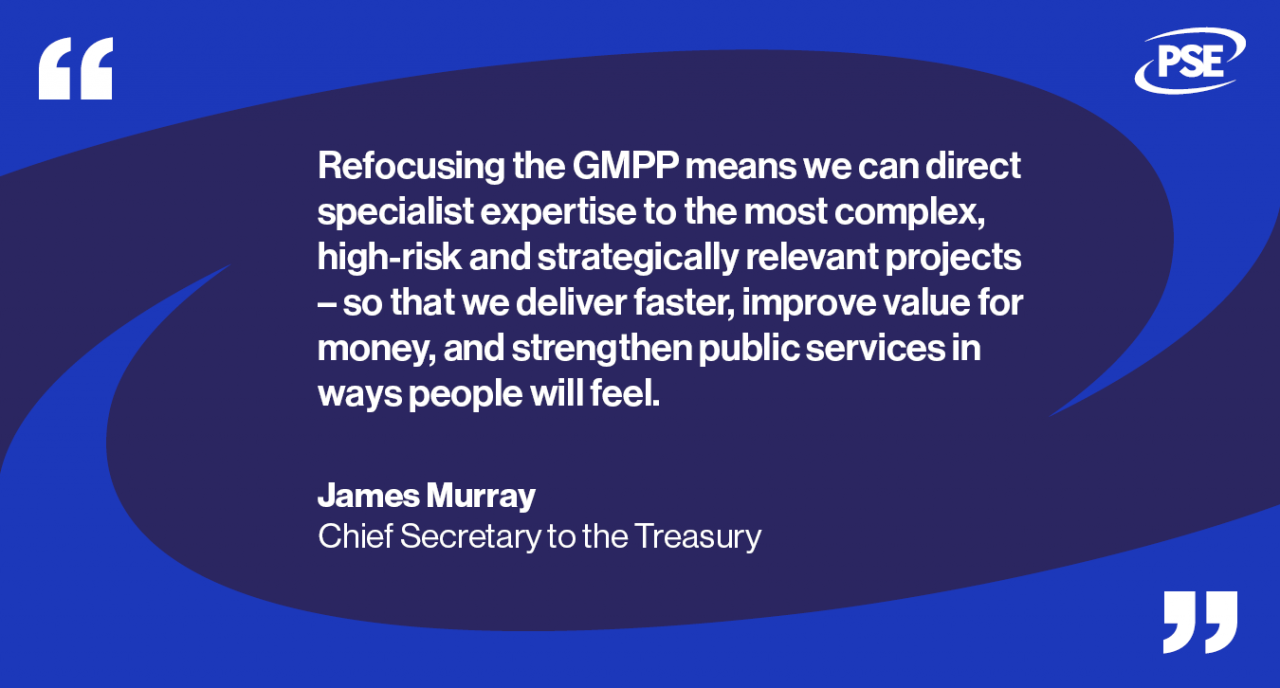
“Refocusing the GMPP means we can direct specialist expertise to the most complex, high-risk and strategically relevant projects – so that we deliver faster, improve value for money, and strengthen public services in ways people will feel.
“Our Plan for Growth is about building a stronger UK - unlocking investment and opportunity across every nation and region and delivering modern infrastructure and better public services.”
By reducing duplication and clarifying roles, the reforms aim to strengthen the delivery of vital infrastructure and public services while ensuring taxpayer investment delivers long‑term benefits.
Image credit: iStock