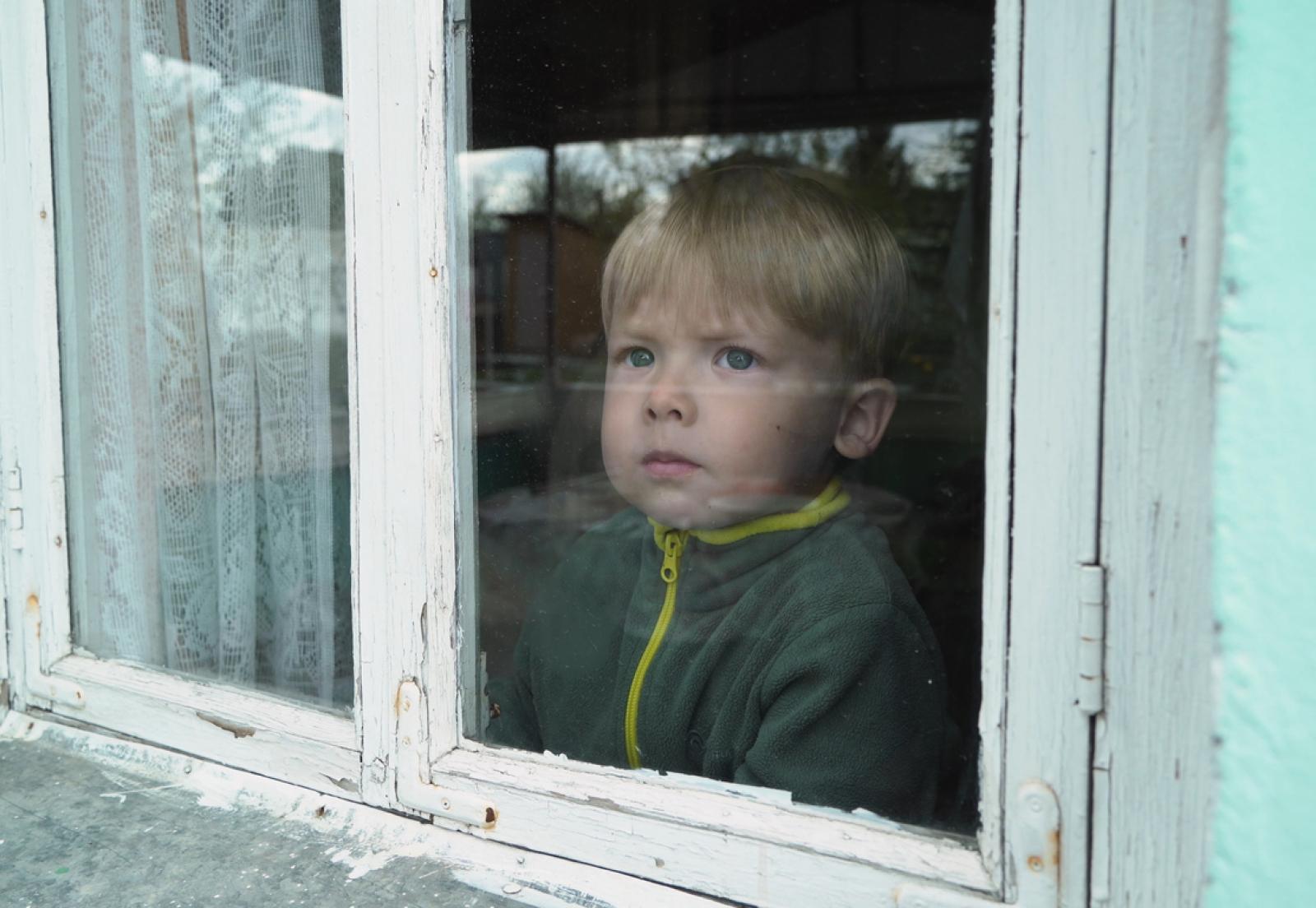

The Government has launched its Child Poverty Strategy, pledging to lift 550,000 children out of poverty by 2030 – the largest reduction in a single parliament since records began.
Following the reversal of the two-child limit in Universal Credit, the strategy tackles the root causes of poverty by cutting the cost of essentials, boosting family incomes, and improving local services so every child has the best start in life.
Key measures include:
- Affordable childcare for working parents on Universal Credit, including upfront childcare costs for those returning from parental leave.
- Support for families with more than two children, ensuring childcare costs are covered for all children.
- Ending unlawful placements in Bed and Breakfasts beyond six weeks, backed by £8 million Emergency Accommodation Reduction Pilots in 20 local authorities.
- £950 million investment through the Local Authority Housing Fund to deliver up to 5,000 high-quality homes for temporary accommodation by 2030.
- A new legal duty for councils to notify schools, health visitors, and GPs when a child enters temporary accommodation, ensuring joined-up support.
- Measures to reduce infant formula costs, saving parents up to £540 in a baby’s first year.
The strategy also introduces a focus on deep material poverty, targeting families lacking essentials such as three meals a day or a damp-free home.
Prime Minister Keir Starmer said:
“Every child deserves the best possible start in life, with their future no longer determined by the circumstances of their birth. Yet too many children are growing up in poverty, held back from getting on in life, and too many families are struggling without the basics: a secure home, warm meals, and the support they need to make ends meet.
“I will not stand by and watch that happen, because the cost of doing nothing is too high for children, for families, and for Britain.
“This is a moral mission for me. It’s about fairness, opportunity, and unlocking potential. Our strategy isn’t just about reversing the failures of the past, it sets a new course for national renewal, with children’s life chances at its heart.”
With 4.5 million children currently living in poverty, the Government’s plan aims to reverse decades of rising hardship. Removing the two-child limit alone will lift 450,000 children out of poverty, rising to 550,000 alongside other interventions such as expanded free school meals and help with energy bills.
The Prime Minister described the strategy as “a moral imperative and an investment in Britain’s future,” emphasising that tackling child poverty will boost educational outcomes, employment prospects, and economic growth.
Image credit: iStock