
Up to £17 million will be made available through the latest round of the Just Transition Fund to support green jobs, encourage supply‑chain innovation, and help workers and businesses transition into Scotland’s growing low‑carbon economy.
For the first time, community organisations and social enterprises will be eligible to apply for a guaranteed share of the fund, expanding access to groups driving local climate action and economic resilience.
The announcement was made by Scottish Climate Action and Energy Secretary Gillian Martin during a visit to Verlume Ltd, a global leader in subsea batteries and power management systems. Verlume previously received £2.5 million from the JTF in 2025–26 to develop the world’s first subsea grid‑forming battery prototype.
The new round of funding includes £3 million capital + £1 million resource, up to £10 million for large‑scale commercial projects, and up to £3 million for SMEs diversifying from oil and gas.
Supporting small and medium‑sized enterprises to enter low‑carbon markets by expanding the ETZ Supply Chain Challenge Fund. This will help supply‑chain companies adapt to opportunities in offshore wind, hydrogen, marine energy and carbon capture.
Since 2022, the Just Transition Fund has invested over £85 million into 28 projects across the North East and Moray. These investments have:
- Supported hundreds of jobs
- Helped businesses move into offshore wind, marine energy and carbon capture sectors
- Strengthened local capacity for green innovation and supply‑chain transformation
The latest £17 million programme aims to accelerate progress by funding both early‑stage project development and large‑scale commercial deployment.
During the announcement, the Scottish Climate Action and Energy Secretary highlighted the importance of companies such as Verlume Ltd in positioning Scotland as a leader in clean energy technologies. Verlume’s JTF‑funded subsea grid‑forming battery prototype represents a world‑first innovation supporting offshore renewables and future low‑carbon infrastructure.
The fund is designed to ensure the benefits of Scotland’s transition to net zero are shared widely by:
- Creating green employment opportunities
- Supporting workers to transition into low‑carbon roles
- Empowering communities to shape their own future through participatory funding
- Encouraging SMEs to diversify and remain competitive
- Stimulating innovation across energy, technology and manufacturing sectors
Scottish Climate Action and Energy Secretary Gillian Martin said:
“Since 2022, the Just Transition Fund has supported hundreds of jobs with more than £85 million investment into 28 projects across the North East and Moray. It is just one of the strands of Scottish Government support for the region.
“This year, we’re making important changes to the funding available based on advice from the Just Transition Commission and the Just Transition Lab. For the first time, community groups and social enterprises will be guaranteed support for larger projects, alongside our continued backing of the Participatory Budgeting Fund which gives communities the power to directly decide how money should be spent in their areas to help address specific local needs.
“We’re also helping communities get ready for future funding by offering development grants. These will support groups who may not otherwise be able to benefit to build the skills and confidence they need to plan and apply for bigger projects in the years ahead.
“We’re also continuing to help the energy sector shift and grow, including funding to support businesses in the supply chain as they adapt. All of this means we can offer wider support to local organisations while creating new jobs and fresh opportunities for people across the North East.
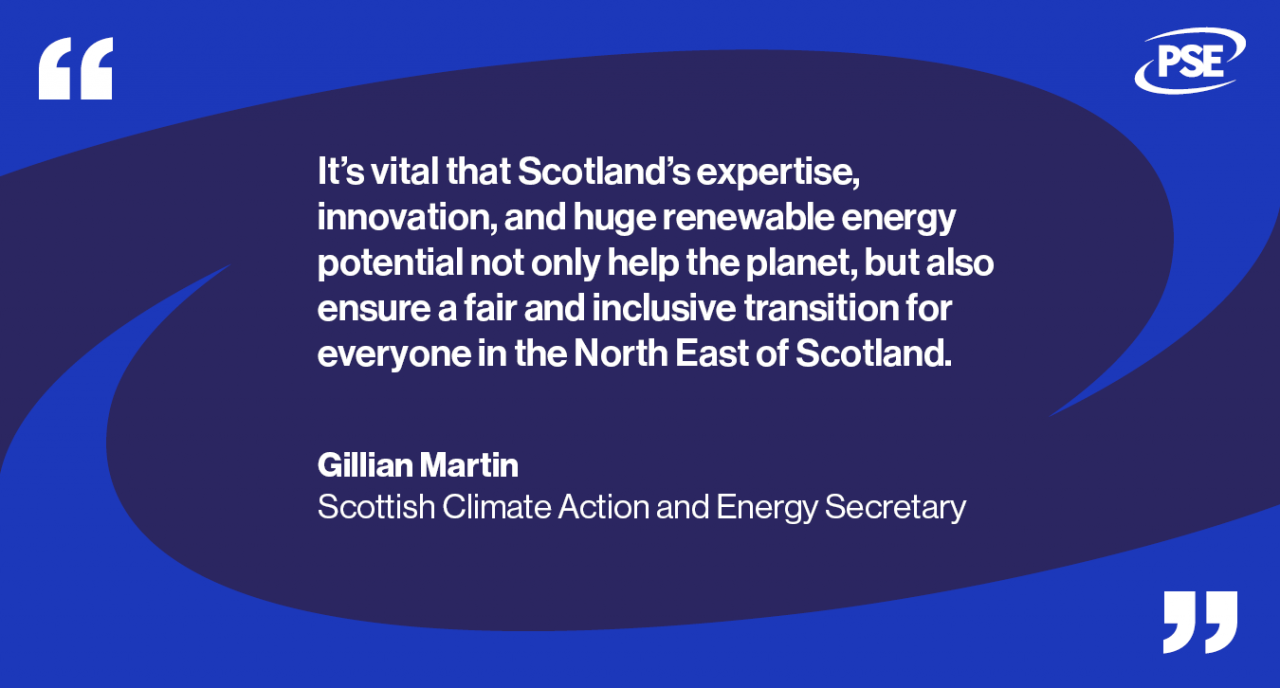
“It’s vital that Scotland’s expertise, innovation, and huge renewable energy potential not only help the planet, but also ensure a fair and inclusive transition for everyone in the North East of Scotland.”
By opening eligibility to social enterprises and community groups, this round of funding aims to ensure that local people are active partners in the transition.
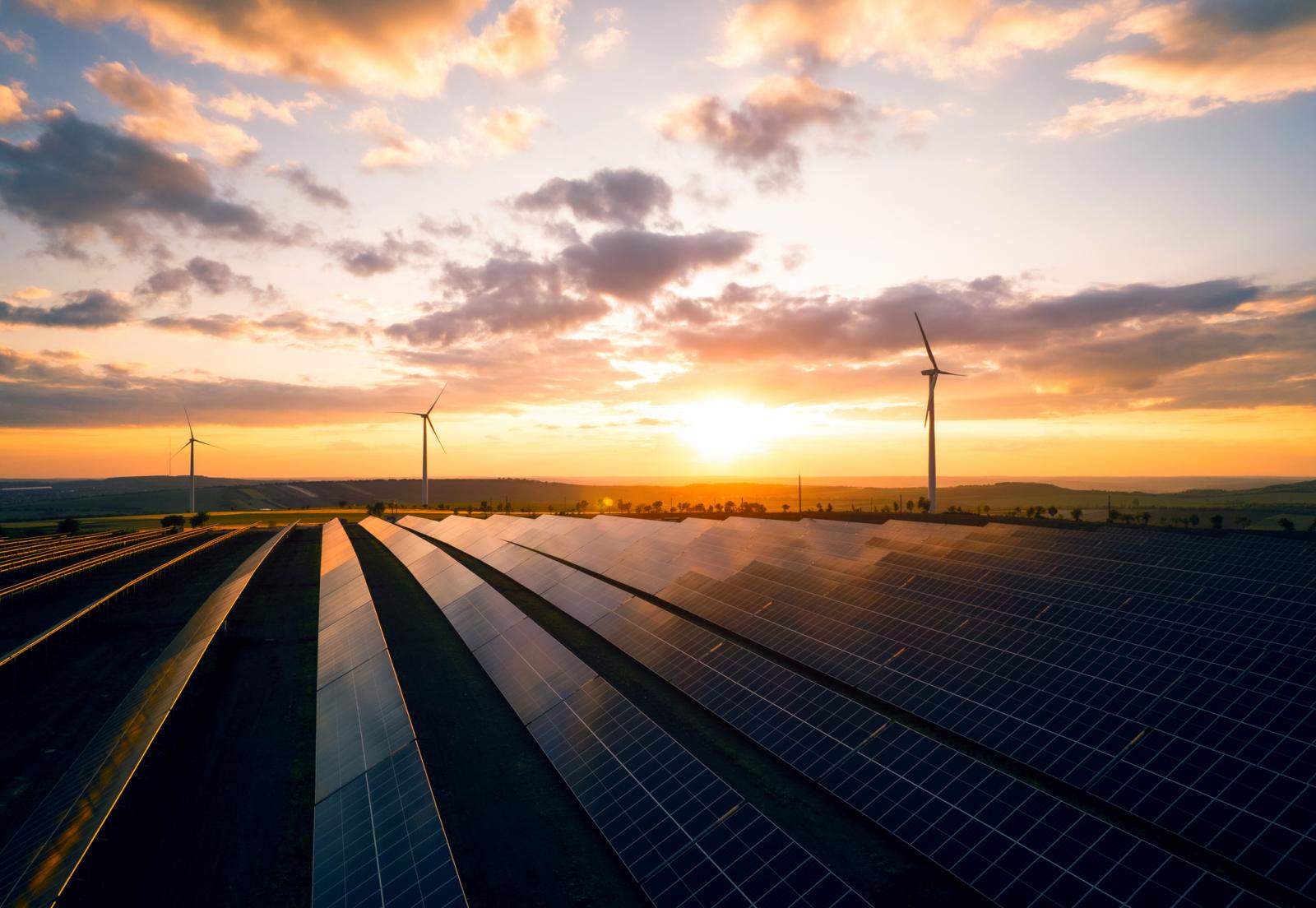
Image credit: iStock