


Digital education platforms are failing a significant proportion of digitally excluded children, with 90 per cent of affected respondents saying educational tools are inaccessible due to cost, poor connectivity, and lack of inclusive design, according to a new report by the Digital Poverty Alliance.
The report, Accessibility in Digital Education Service Design, was published during World Autism Acceptance Month and highlights how everyday digital systems used in schools are creating hidden barriers for some of the most vulnerable pupils.
Drawing on survey responses from 88 digitally excluded participants, alongside desk research, the study reveals that while digital tools are now embedded in routine school life, access and usability remain deeply unequal.
Among those surveyed:
- 72 per cent were required to use digital education platforms daily
- Only 36 per cent had access to a laptop for schoolwork
- 44 per cent relied solely on a smartphone to engage with educational content
The DPA warns that mobile‑only access makes it significantly harder for pupils to complete assignments, navigate platforms or participate fully in learning.
Beyond access issues, respondents described educational platforms as difficult to use, reporting confusing interfaces and limited flexibility to suit different learning needs.
The availability of technical and learning support was identified as a critical factor in determining how confident pupils felt using digital tools. Where guidance was unclear or unavailable, engagement dropped sharply.
The report argues that usability is as important as access, and that digital exclusion is exacerbated when platforms assume a one‑size‑fits‑all user.
The study places digital exclusion within a wider framework of inequality, highlighting how neurodivergence, language barriers and poverty often overlap.
For neurodivergent learners, particularly autistic pupils, inflexible design, sensory overload, and lack of customisation can make platforms not just frustrating, but actively inaccessible.
The report calls for a step‑change in how digital education platforms are designed and commissioned.
It urges providers and policymakers to prioritise:
- Greater interface customisation
- Stronger engagement with accessibility and neurodiversity organisations
- Meaningful consultation with digitally excluded students and families
The DPA argues that accessibility should be treated as a core requirement, not an afterthought.
As digital systems become increasingly central to education delivery, the report stresses that design choices will have long‑term consequences for equity and attainment.
Digital Poverty Alliance CEO Elizabeth Anderson, said:
“Digital education is now routine across school life, but routine does not mean accessible. This report shows that when platforms are difficult to navigate, visually overwhelming, or poorly designed for different needs, the pressure does not fall evenly. Learners are being asked to adapt to systems that should have been designed with them in mind.”
“When we talk about accessibility in education, we mean more than simply having digital tools in place. It requires ensuring devices are not only available but affordable, that students have the connectivity needed to access updated curriculum material, and that platforms are designed to meet a range of needs, including the ability to tailor features so every learner can engage effectively. While SEND reforms have been spotlighted in the Schools White Paper, there has been little conversation around the link between digitisation and different needs.”
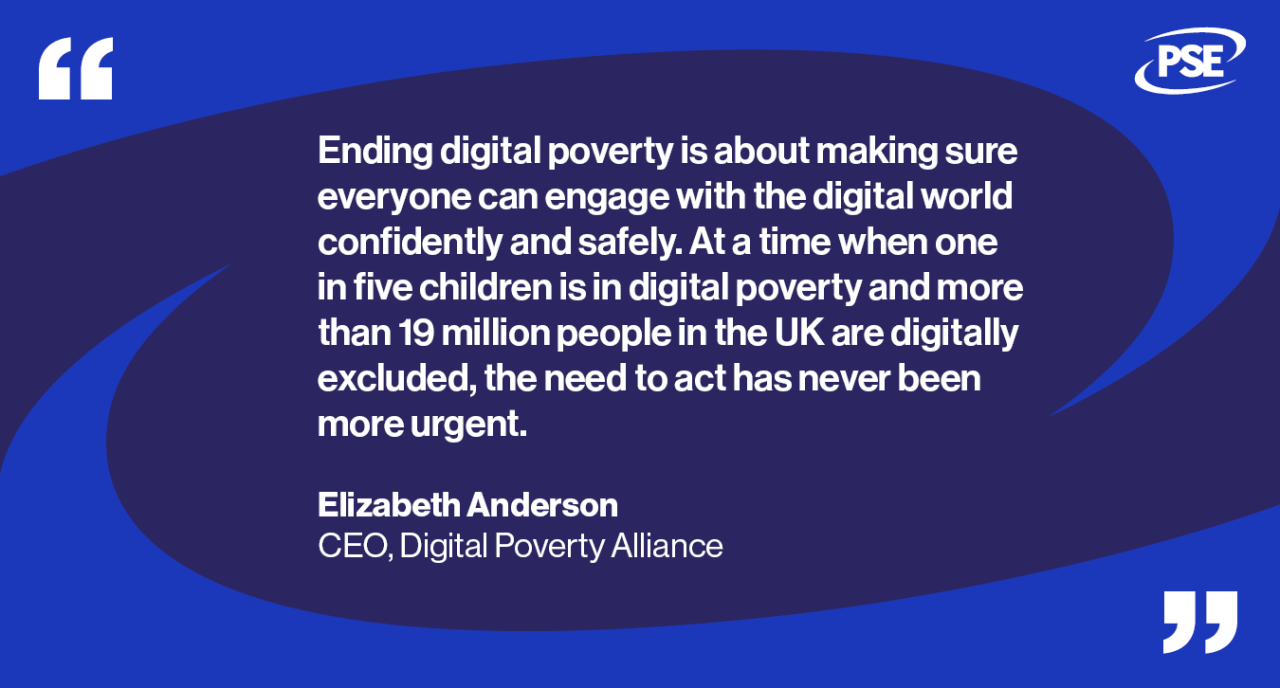
“Ending digital poverty is about making sure everyone can engage with the digital world confidently and safely. At a time when one in five children is in digital poverty and more than 19 million people in the UK are digitally excluded, the need to act has never been more urgent.”
The report concludes that ensuring digital education works for everyone is not simply a technical challenge, but a matter of fairness, inclusion, and educational justice.
Image credit: iStock