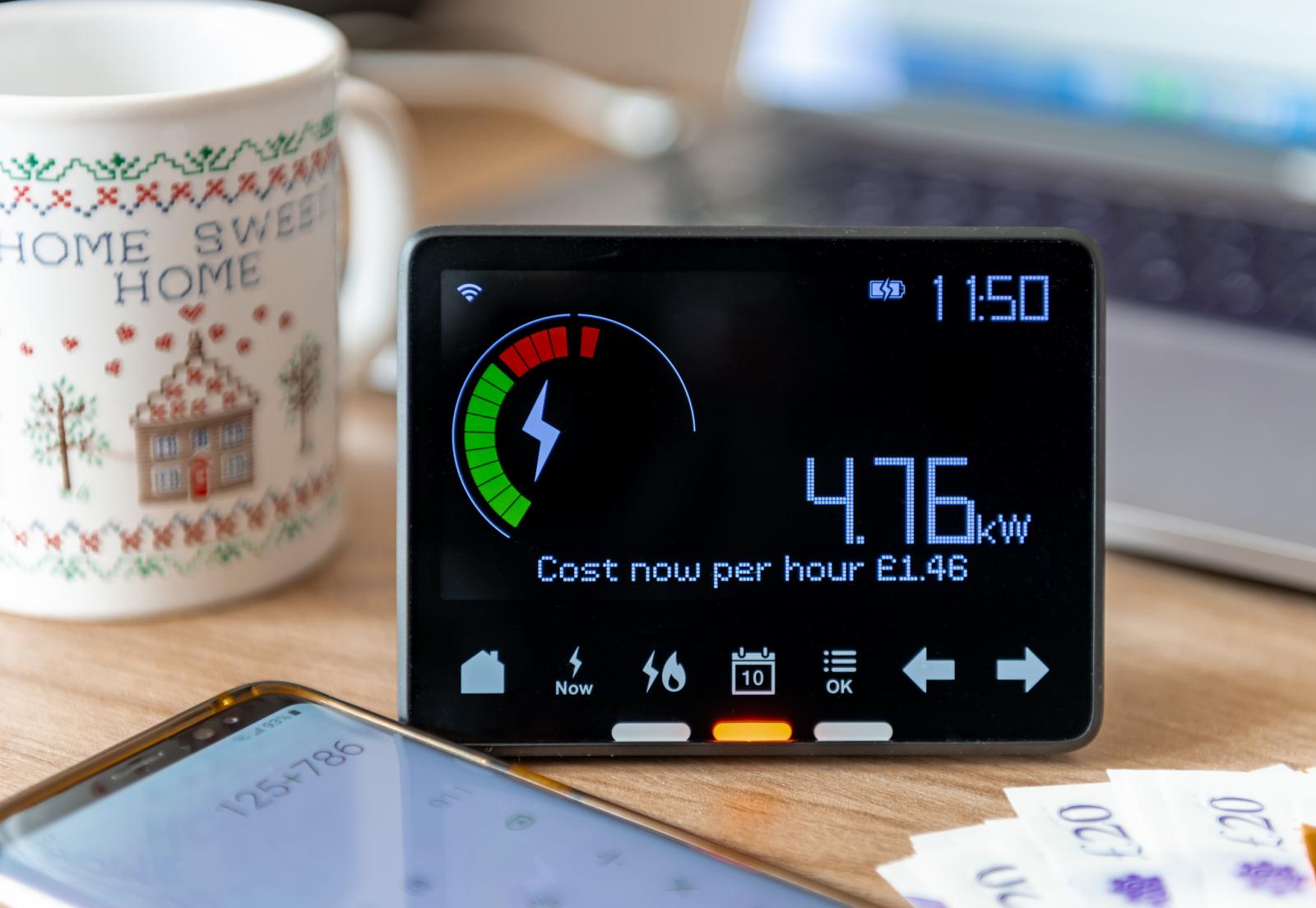

Plans to better protect households and businesses from volatile energy bills have taken a major step forward, as the government today set out new measures to end the unfair link between international gas prices and electricity costs across Great Britain.
Recent instability in the Middle East has once again exposed how Britain’s reliance on global fossil fuel markets leaves families and businesses vulnerable to sudden price spikes, even though much of the country’s electricity is generated from cheaper renewables and nuclear power.
When wars, geopolitical tensions or supply shocks drive up gas prices overseas, electricity bills rise alongside them, creating cost‑of‑living pressures that consumers have little control over.
Over time, the problem has eased as new clean energy projects come online under fixed‑price contracts, shielding consumers from gas price volatility. However, around 30 per cent of Britain’s power supply remains exposed to wholesale prices set by gas, meaning international shocks can still translate directly into higher bills.
To protect families from future crises, the government says it is now taking decisive action to “break the link” between volatile gas prices and electricity costs.
Two key interventions have been announced. First, the government will offer voluntary long‑term fixed contracts to existing low‑carbon generators not currently on fixed prices. These generators account for around a third of Britain’s electricity supply. Where they deliver clear value for money, the contracts will protect consumers from sudden bill increases when gas prices spike.
Second, ministers are taking immediate action through an updated Electricity Generator Levy, increasing the rate from 45 per cent to 55 per cent. This will ensure a greater share of extraordinary profits made during gas price spikes is returned to government, helping support households and businesses facing higher living costs linked to the Middle East conflict.
The government said these measures will further reduce the share of electricity exposed to gas price shocks and incentivise generators to move onto stable, fixed‑price arrangements. Energy bills will continue to be closely monitored, with targeted support available if needed.
Britain has already made progress in reducing gas’s influence on electricity pricing. Gas set the price around 90 per cent of the time in the early 2020s, compared with around 60 per cent today. Under the government’s clean energy mission, this is expected to fall to around half by 2030.
Speaking at the Good Growth Foundation, the Energy Secretary also outlined a wider package of measures to reduce bills and accelerate clean, homegrown energy.
Households relying on heating oil and LPG, particularly in rural areas, will benefit from a boost to the Boiler Upgrade Scheme, with grants rising to £9,000 to help electrify heating and provide more predictable energy costs.
The government also published further details on Transitional Energy Certificates, offering clarity to investors looking to develop already‑explored areas near existing licensed fields, supporting a fair and managed transition.
Prime Minister Keir Starmer said:
“We need to get off the fossil fuel rollercoaster – this will make energy bills more stable and take the pressure off family budgets.
“When global gas prices spike, people here shouldn’t be picking up the tab.
“Our focus is simple: easing pressure on household budgets now, while building a homegrown energy system that protects families from global instability in the years ahead.”
To speed up improvements in social housing, an additional £100 million will be added to the Social Housing Fund, on top of an existing £1.2 billion programme. Subject to final approvals, this will support up to 57,000 solar installations this year, helping households cut bills by hundreds of pounds and supporting progress towards EPC C for up to one million homes.
Building on Great British Energy’s solar programme, up to 100 more schools and colleges will receive rooftop solar installations this year, backed by up to £40 million of government investment, reducing public sector energy costs and freeing up funding for frontline services.
Plans are also advancing to expand renewable generation across the public estate, including brownfield land, industrial sites, and railway land. Using only a fraction of government‑owned land could unlock up to 10GW of capacity, enough to power around five million homes.
Outdated planning, land access, and grid connection rules are set to be streamlined in the biggest overhaul since the launch of the clean energy mission, helping projects connect faster and cutting delays to vital infrastructure.
The government is also working to make it easier for people to switch to electric vehicles, heat pumps and solar, including renters and households without driveways. Up to £25 million has been earmarked to pilot plug‑in solar panels for low‑income households through a street‑by‑street approach in partnership with local authorities and mayors.
Finally, a new Reformed National Pricing Delivery Plan sets out how smarter planning and faster delivery of electricity infrastructure could unlock up to £20 billion in benefits between 2030 and 2050.
Image credit: iStock