

Families across the UK could soon benefit from a major shake-up in the home retrofit sector, as ministers outline proposals designed to restore trust, improve oversight, and protect households from poor-quality upgrade work.
The plans aim to create a more transparent and accountable system for delivering energy efficiency improvements – something many professionals across local authorities and public sector delivery bodies will recognise as long overdue.
A System Designed Around the Consumer
At the heart of the proposals is a shift towards a single, end-to-end consumer protection service, intended to simplify what has historically been a fragmented and confusing process.
Key elements under consultation include:
- A public register of government-approved installers, improving transparency and trust
- A centralised advice and support service that guides households throughout their upgrade journey
- New enforcement powers, including banning underperforming installers from public schemes
- A data-driven monitoring system to flag risks and performance issues early
For public sector professionals working in housing, energy, or regeneration, these reforms signal a significant tightening of standards in retrofit delivery, particularly relevant for schemes aligned with net zero and fuel poverty objectives.
The announcement acknowledges widespread dissatisfaction with previous schemes, particularly around insulation installations that failed to meet expectations.
Minister for Energy Consumers, Martin McCluskey, said:
“This government inherited a broken system that left too many people in homes damaged by work that lacked clear oversight, without support when things went wrong.
“That is why we promised to change that system and today we are setting out how we propose to do that.
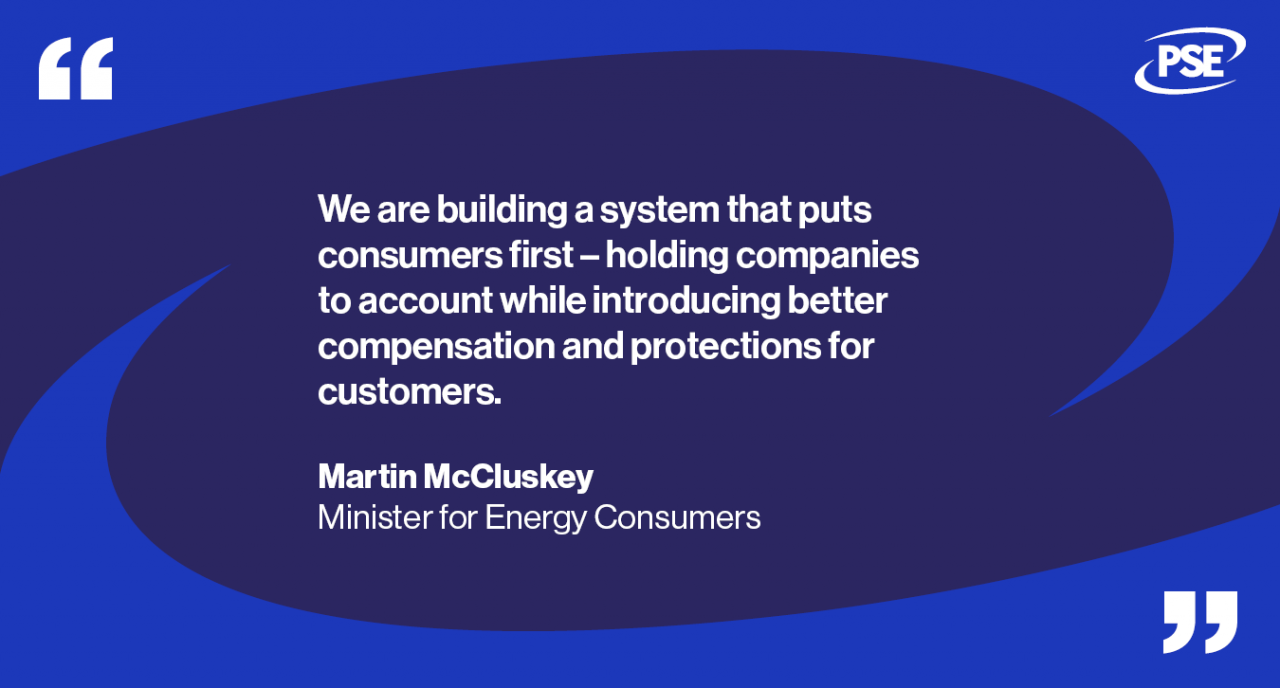
“We are building a system that puts consumers first – holding companies to account while introducing better compensation and protections for customers.”
The reforms aim to ensure the kinds of failures seen under earlier schemes are not repeated – an issue particularly relevant for local authorities managing retrofit programmes or responding to resident complaints.
Strengthening the Energy Ombudsman
Alongside retrofit-specific reforms, the government is moving to enhance the powers of the Energy Ombudsman, enabling faster and more effective dispute resolution.
Key changes include:
- Reducing complaint escalation timelines, cutting maximum waiting times to 10 weeks
- Introducing financial penalties for non-compliant energy companies
- Clarifying routes for consumers to pursue legal action if necessary
This will likely ease pressure on council-led complaint handling systems and advice services, offering clearer escalation pathways for residents.
Financial Protection for Households
In a significant move, the Installation Assurance Authority (IAA) will increase its repair coverage ceiling from £20,000 to £25,000 for solid wall insulation installed under:
- Energy Company Obligation 4 (ECO4)
- Great British Insulation Scheme (GBIS)
This protection extends to cases where installers have ceased trading – historically a major gap in consumer redress.
Additionally, the National Energy Foundation will step in to fund repairs in cases where guarantees are invalid, missing, or fraudulent – closing another critical loophole.
Progress Already Underway
The government highlighted ongoing remediation work, including:
- A nationwide audit programme offered free to affected households
- Over 60% of identified issues already resolved
- Collaboration with Ofgem to establish a dedicated consumer support helpline
These operational improvements demonstrate a shift towards more proactive oversight – something many public sector delivery teams have been calling for.
Supporting Net Zero and Cost Reduction
Beyond consumer protection, the reforms align with wider ambitions to reduce energy bills and accelerate decarbonisation. Measures include:
- Expanding access to plug-in solar technology
- Offering £9,000 grants for heat pumps in homes using oil or LPG
- Exploring reforms to decouple electricity prices from volatile international markets
For professionals in local government and housing associations, these developments could significantly influence delivery strategies and funding frameworks over the coming years.
Image credit: iStock