

Three West Yorkshire councils are set to introduce new Lane Rental Schemes aimed at reducing congestion and minimising the disruption caused by roadworks on some of the region's busiest routes.
Later this year, Leeds, Wakefield and Kirklees councils will begin charging utility companies and other organisations carrying out works on designated key roads during peak travel periods. Charges could reach up to £2,500 per day for works that take place at the busiest times.
The schemes are designed to encourage companies to plan works more effectively, avoid peak traffic periods and work collaboratively where possible. The ultimate goal is to reduce delays for motorists, improve journey reliability and minimise the impact of roadworks on local communities.
Each council has secured approval from the Department for Transport and has worked closely with its neighbouring authorities to develop a consistent approach. By launching the schemes simultaneously and aligning charging structures and operating principles, the councils hope to make it easier for organisations that carry out works across multiple local authority areas.
The collaborative approach is also intended to address challenges near council boundaries, where roadworks can affect commuters and businesses across more than one district.
In addition to reducing delays for road users, the Lane Rental Schemes are expected to support wider environmental and transport objectives. By limiting congestion during peak periods, the councils anticipate a reduction in carbon emissions while helping to improve the reliability of bus services operating on key routes.
Councillor Peter Carlill, Leeds City Council’s executive member for transport and planning, said:
“We are always working hard to keep the city moving and minimise disruption, looking to co-ordinate works as best we can. Using a Lane Rental Scheme gives us more power and more options by being able to levy charges to encourage better and more efficient behaviour from those working in our roads, so that residents face less disruption and delay as they move around the city.
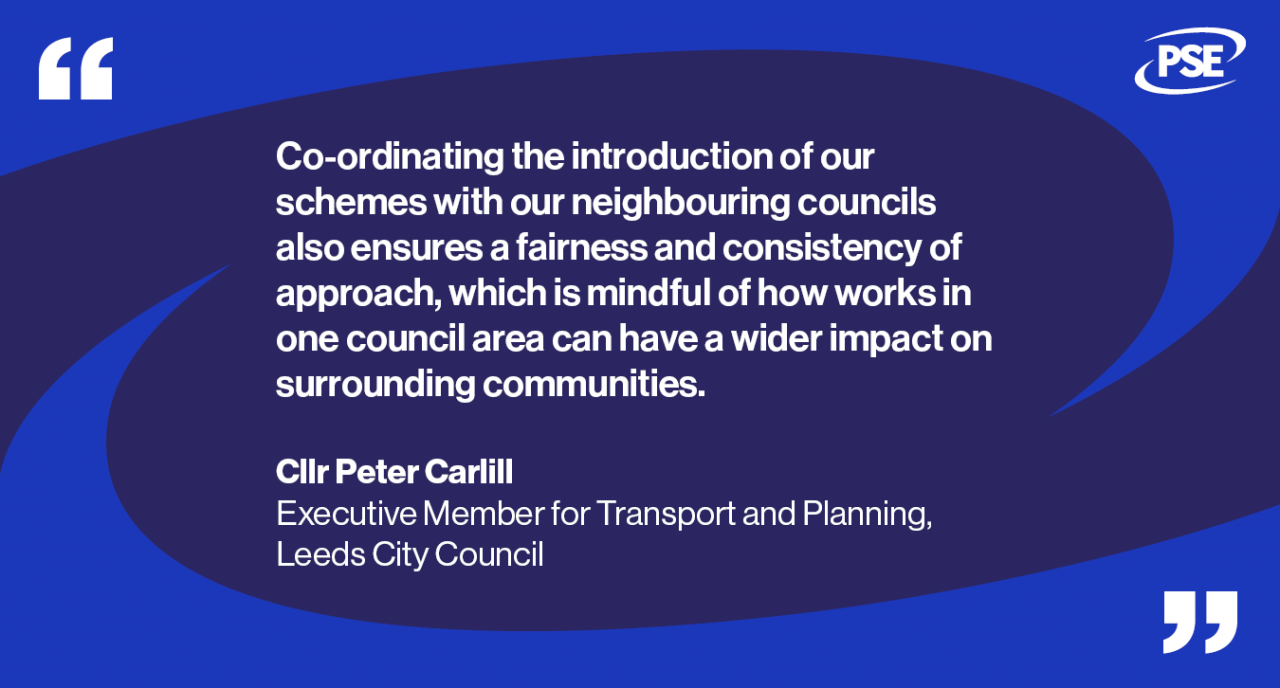
“Co-ordinating the introduction of our schemes with our neighbouring councils also ensures a fairness and consistency of approach, which is mindful of how works in one council area can have a wider impact on surrounding communities.”
The launch marks one of the most coordinated approaches to highway traffic management seen in the region, with all three authorities seeking to balance essential infrastructure works against the need to keep people and goods moving efficiently across West Yorkshire.
Image credit: iStock