
When energy bills rise, support needs to reach people when and where it matters most. For households already making difficult choices between heating, food and other essentials, even a relatively small increase can have a serious impact.
Ofgem’s October price-cap increase of 4% means a typical dual-fuel household could pay around £60 more a year, according to the BBC’s report on the change, just as colder weather arrives and household energy use begins to rise. But the price cap is only part of the story. The bigger question for councils, housing providers, charities and community organisations is how available support can reach people quickly, in a form they can use, while remaining focused on essential costs.
The latest Annual Fuel Poverty Statistics in England estimate that 9.4% of households in England – 2.36 million households – were in fuel poverty in 2025. The report also shows that 30.4% of households, equivalent to 7.63 million, were required to spend more than 10% of their income after housing costs on energy. While these figures have fallen compared with the previous year, they still demonstrate the scale of pressure facing households. Energy affordability is a UK-wide issue, but local circumstances vary. Rural and off-grid communities can face different cost pressures, while people using prepayment meters or without traditional banking access may need support delivered differently. This is why a one-size-fits-all approach is unlikely to work.
Making support practical and targeted
For me, the key issue is not only how much support is available, but how it reaches people. When funding is paid into an already-stretched household account, it can be absorbed by overdrafts, arrears or other urgent commitments. In other situations, unrestricted cash may be exactly the right option. The payment method should reflect the intended outcome and the circumstances of the people being supported.
BHN’s Energy Card, also known as the Pure Energy prepaid card, is designed to help organisations direct financial assistance towards eligible utility costs, including gas, electricity, water and domestic heating oil, subject to the relevant programme and provider terms.
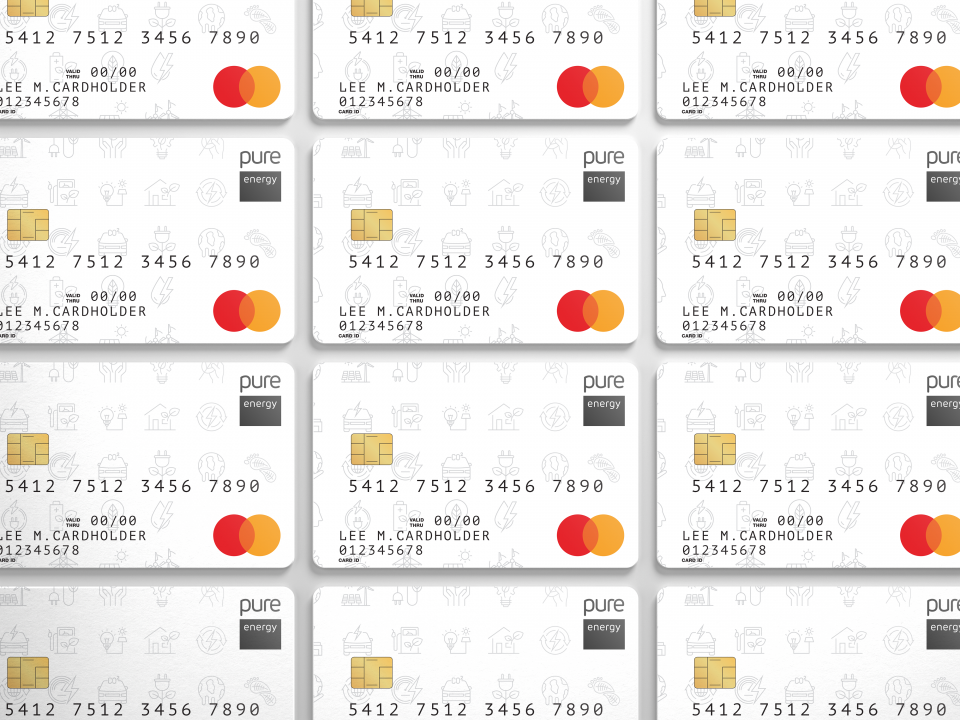
This targeted approach can help organisations direct support towards immediate needs such as keeping the lights on, maintaining heating or paying an essential utility bill. It can also make the purpose of the support clearer for recipients, while providing a familiar way to make eligible payments.
The card can be delivered digitally and is designed for use online or over the phone with participating utility providers. It does not require a bank account or a strong credit history, helping organisations reach people who may face barriers to mainstream financial services. This is particularly relevant for households that need help quickly or have limited payment options.
There is also a specific challenge for households that rely on heating oil. The Competition and Markets Authority estimates that around 1.5 million UK households use heating oil for heating and hot water. These households may face large one-off purchases when they need to replenish their supply, making flexible and accessible support especially important.
Inclusion without unnecessary complexity
People facing financial hardship do not all have the same circumstances. Some may be underbanked. Some may use a prepayment meter. Others may need support quickly and may not be able to wait for a complex payment process.
A practical support programme should therefore consider how people pay their bills, whether they can access a bank account, how quickly help is needed and what safeguards are appropriate. The Energy Card supports a straightforward activation journey and digital delivery options. Recipients can manage their card online, check their balance and view transactions, helping them understand what level of funding remains available.
For organisations, this combination of accessibility and control can support a more person-centred approach. Cards can be configured with controls such as eligible spending categories and transaction limits, while reporting can provide visibility of balances and transactions. This can help with reconciliation, governance and understanding how a programme is being used.
The aim is not to make support unnecessarily restrictive. It is to create a balance between access and accountability. Recipients need help that is understandable, dignified and appropriate to their situation. Organisations need confidence that public or charitable funds have reached the intended recipient and are being used for the agreed purpose.
Part of a wider response
The Energy Card is not about promising to make energy cheaper. It is one tool within a wider response to household financial pressure, alongside supplier assistance, debt advice, social tariffs, energy-efficiency improvements and government support.
The most effective programmes will combine an appropriate payment method with clear communications, referral pathways and support that reflects each household’s circumstances. In some situations, unrestricted cash may be the right option. In others, a prepaid card, voucher or cash-out service may provide a better balance of access, speed and safeguards.
As bills rise and winter takes hold, support must be not only available but usable in real life. For households facing difficult decisions about heating and other essentials, timely and targeted help can make a meaningful difference. For the organisations providing that help, the right payment method can support speed, inclusion and accountability at the same time.
Sources