
A direct ferry route between Scotland and mainland Europe has moved significantly closer, following a £3 million commitment from the UK Government to support new Border Force and customs infrastructure at Rosyth.
The funding, announced by the Scottish Secretary ahead of high‑level meetings with Forth Ports, DFDS and representatives from the Port of Dunkirk, marks the most substantial progress in reinstating a continental ferry service for 15 years.
The investment comes through the UK Government’s Growth Mission Fund, and is designed to pave the way for the first Scotland–Europe passenger and freight connection since the previous service ended in 2010.
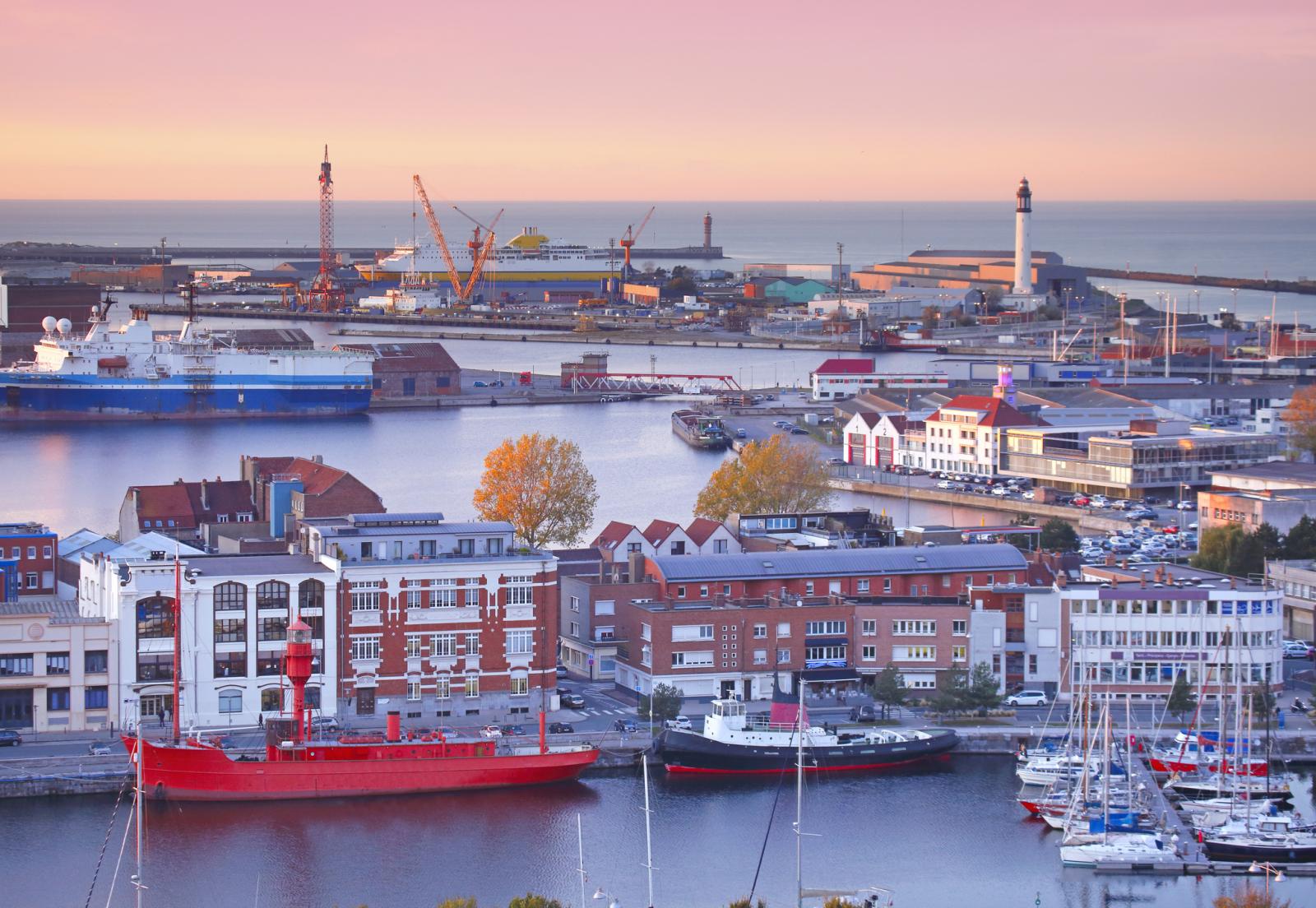
The proposed ferry route would operate between Rosyth and Dunkirk, subject to a commercial agreement between Forth Ports (which operates the Port of Rosyth) and an international ferry company.
If confirmed, the route would serve both freight and passengers, creating a new, modern link between Scotland and the EU. Dunkirk’s state‑of‑the‑art rail terminal connects directly to major industrial and commercial hubs across Europe, offering Scottish exporters faster, more efficient access to key markets.
With the EU accounting for 45% of all Scottish exports, the Government says the new link would boost Scotland’s logistical competitiveness, enhance export capability, support tourism and create new local jobs to operate the service.
The announcement comes at a moment of renewed cooperation between the UK and EU under their new trade agreement. Improved transport links are seen as a critical tool to strengthen cross‑border supply chains and support international trade growth.
Over the past two weeks, the UK Government has been running export masterclasses for Scottish businesses, supported by the UK Business Centre in Lille, helping firms explore opportunities in France and wider European markets – aligning closely with the benefits expected from the proposed Rosyth–Dunkirk route.
The £3 million funding will support essential upgrades to ensure that Rosyth meets all Border Force and customs requirements for an international ferry service. Works could include new inspection areas, security processing, and upgraded facilities needed for efficient handling of both passengers and freight.
The funding remains conditional on:
- a commercial agreement between Forth Ports and a ferry operator
- approval of their business case
Once confirmed, the upgraded infrastructure will enable the route to launch swiftly.
Douglas Alexander, Scottish Secretary, said:
“With the UK Government delivering £3 million in investment, this new direct ferry service would connect Scotland to Europe’s doorstep. The UK Government is backing Scottish businesses to grow, export and compete on the world stage.
“It would boost tourism, open up new markets for Scottish businesses, create jobs, take freight off our roads and grow Scotland’s economy. This is a big step forward and I hope we will soon see the first ferry set sail. This is a major vote of confidence in Scotland’s, and the UK’s, economic future.”
Fifteen years after the last direct Scotland–Europe service ended, the UK Government describes the announcement as a major step forward in reconnecting Scotland to continental transport networks.
Supporters argue the new route could:
- cut transport times for Scottish exports
- reduce reliance on routes via England
- boost inbound tourism from Europe
- support carbon‑efficient shipping options
- stimulate job creation in coastal and port communities
With both governments and operators now aligned behind the route, the Rosyth–Dunkirk ferry is seen as a strategically significant development for Scotland’s economy.
Image credit: iStock