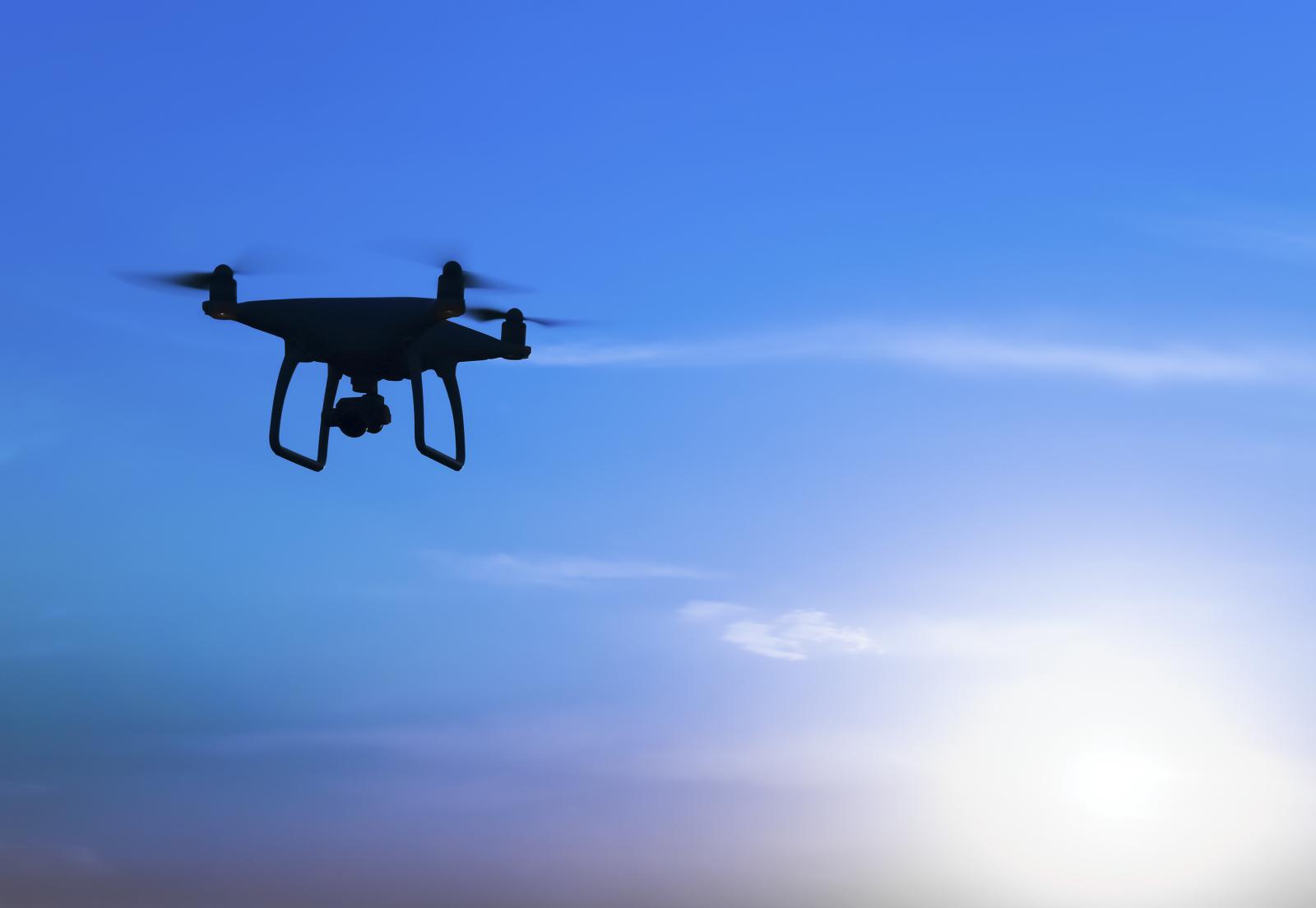

Drone deliveries, flying taxis, and smarter emergency services are a step closer to becoming everyday reality in the UK, after the government announced almost £50 million in new investment to accelerate the drone and advanced air mobility (AAM) sector.
The funding package aims to drive innovation, support economic growth and modernise regulation, whilst introducing stronger safeguards to tackle misuse of drone technology.
The investment, delivered through the Civil Aviation Authority (CAA), will support the regulatory, technological and security foundations needed to bring drones and emerging aircraft technologies into routine use across the UK.
Ministers say the move will help unlock a wide range of applications, from medical deliveries and emergency response to infrastructure inspection and passenger transport via electric vertical take‑off and landing aircraft, often referred to as flying taxis.
The government has set a target to enable flying taxis to take to UK skies from 2028, as part of wider efforts to modernise aviation.
A key element of the funding is the introduction of the UK’s first bespoke drone identification system, designed to tackle illegal and unsafe drone use.
The system, known as Hybrid Remote ID, allows drones to transmit their identity and location during flight, enabling nearby devices to detect them and share information through a secure digital platform. It also records historic data that authorised bodies can access.
This means police and regulators will be able to identify and track suspicious or nuisance drone activity more easily, helping to enforce the law while supporting legitimate operators.
The funding includes £26.5 million dedicated to smarter regulation, aimed at reducing bureaucracy and speeding up approvals for drone operations.
This will enable faster deployment of drones in areas such as:
- Emergency response and search‑and‑rescue operations
- Medical supply and logistics services
- Inspection of critical infrastructure
Operators will also benefit from a streamlined digital application process, reducing the time required to submit and manage regulatory approvals.
The government said its approach is focused on creating a faster, more predictable regulatory environment, balancing innovation with the UK’s strong safety standards.
The investment is expected to support growth in high‑tech industries including aviation, robotics and artificial intelligence, helping position the UK as a global leader in advanced air mobility.
By enabling more widespread use of drones and next‑generation aircraft, the government aims to:
- Create new high‑skilled jobs
- Attract private investment
- Boost productivity across sectors
The initiative forms part of a broader strategy to strengthen the UK’s role as an aviation and technology powerhouse.
Today’s announcement builds on a series of recent aviation and innovation investments, including:
- £2.3 billion for the development of green aircraft technologies
- £63 million to support sustainable aviation fuel
- Ongoing work to modernise UK airspace
Together, these measures are designed to reduce emissions, improve efficiency and support long‑term growth in the aviation sector.
The government said the funding will help move drone use from niche applications into mainstream public services and commercial activity.
Keir Mather, Minister for Aviation, Maritime and Decarbonisation, said:
“We’re backing the next generation of British aviation innovators with nearly £50 million to drive drone regulation reforms and unlock barriers to growth that will create jobs, lower emissions and further the UK’s world-leading aviation reputation.
“Innovation must go hand in hand with strong security – that’s why over half of our investment will develop a new ID system to track drones in real-time, supporting emergency services and building public confidence in an industry that could be worth up to £103 billion by 2050.”
In practical terms, this could mean faster delivery of medical supplies to hospitals, improved infrastructure monitoring, and more responsive emergency services.
At the same time, the new safety and identification systems will ensure that innovation is introduced responsibly, maintaining public confidence in the technology.
With flying taxis, automated deliveries and connected air systems on the horizon, the investment marks a significant step towards a future where airspace is used more efficiently, sustainably and safely.
Image credit: iStock