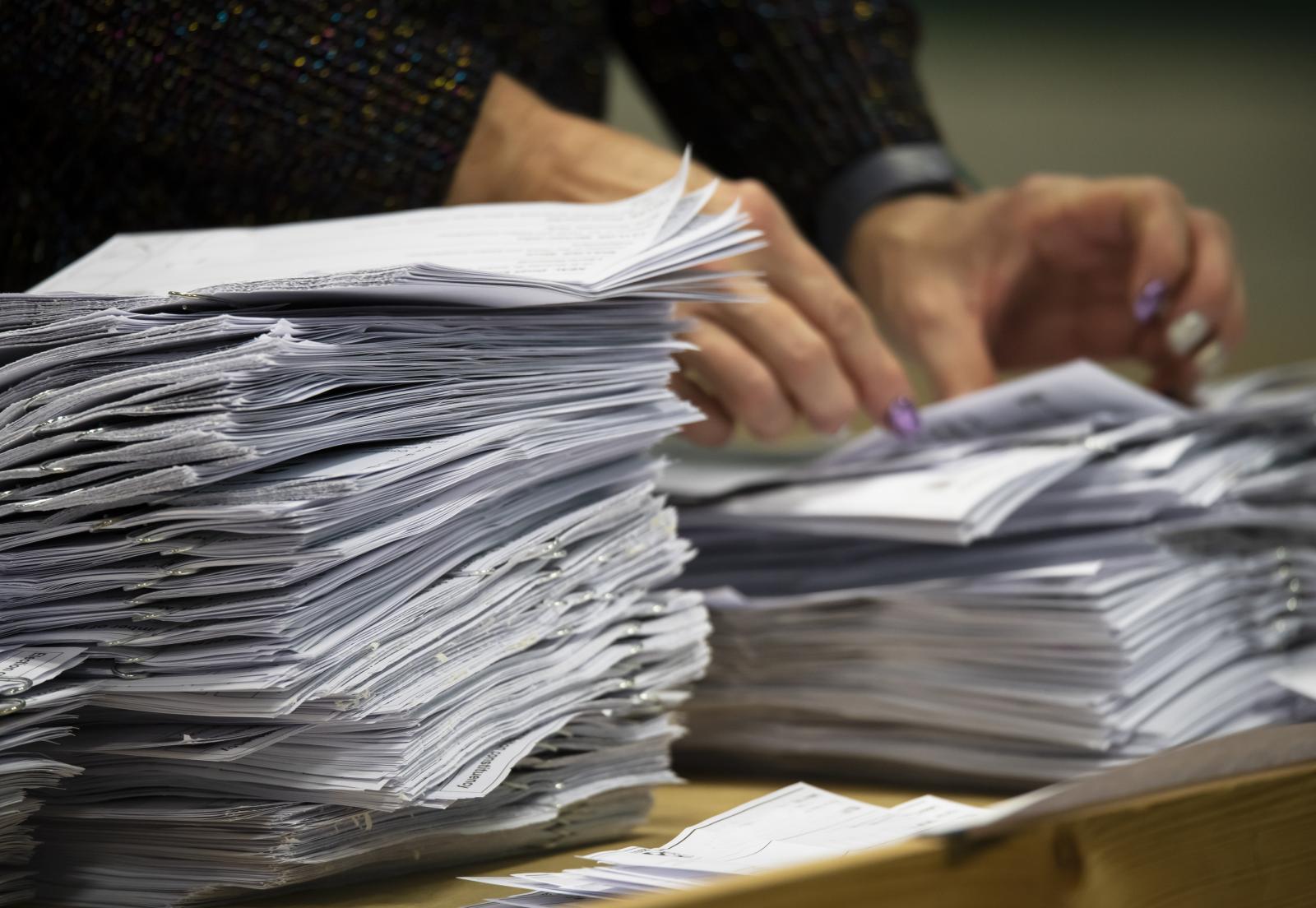

Today is a big day for the UK public sector. People across the country have cast their votes, and now all eyes are on the results filtering in throughout the day.
At the current time of writing, many results – notably those in Scotland and Wales – have not yet been announced; there are many results still left to unpack.
There were 5,066 council seats up for grabs this year, across 136 local authorities and six mayoralties, and the election came as part of the government’s plans for local government reorganisation. This process meant some of the elections that had been scheduled for May 2025 were postponed to this year to allow for that reorganisation. The government did try to postpone some of the elections that were scheduled for this year to introduce further reorganisation, which was met with criticism and was withdrawn.
In terms of the individual political parties, this has been the second local election of Sir Keir Starmer’s Premiership and the first since Zack Polanksi took over as leader of the Green Party. Nigel Farage led his Reform UK party into an election that many expected them to make gains in, following the 2025 elections, where the party came away with 804 councillors.
Currently, Reform UK sit in the lead with 423 councillors, whilst Labour has slipped to fourth with 254. The Conservative Party and the Liberal Democrats see themselves in second and third, with 268 and 266 councillors respectively. The Green Party currently sit with 53 councillors elected this year, as well as one Mayor (Hackney).
The big story is looking likely to be the surge in popularity of Reform UK, which, ahead of this year’s election, led 12 councils and had the two strategic authority mayors elected in 2025.
Votes in Scotland and Wales are still being counted, and we are expecting those results to begin being announced this afternoon.
We will publish a full roundup of the key results from this year’s elections in due course.