Across the UK, the narrative around ‘leisure’ is undergoing a quiet but profound shift. Recognised for what they truly are, essential social infrastructure, leisure services sit at the heart of public health. They help people stay active, support prevention, improve physical and mental wellbeing and ease pressure on stretched health systems. They also bring communities together and support local economies.
At the same time, councils face continued pressure when resources are tight, expectations are rising and demand for community interventions continues to rise. So, the question sharpens: How do we shape leisure, health, sport and cultural services that are affordable, improve wellbeing and deliver real impact for people and places?
Redefining “Affordable”
The answer lies in redefining what “affordable” really means. Too often, affordability is equated with minimising upfront capital cost. In reality, it is about maximising long-term value. This means designing facilities that are efficient to operate, inclusive in their appeal and flexible enough to evolve with changing community needs. It also means aligning investment decisions with measurable social and health outcomes, rather than focusing solely on traditional metrics such as footfall or membership numbers.
Designing for Longevity
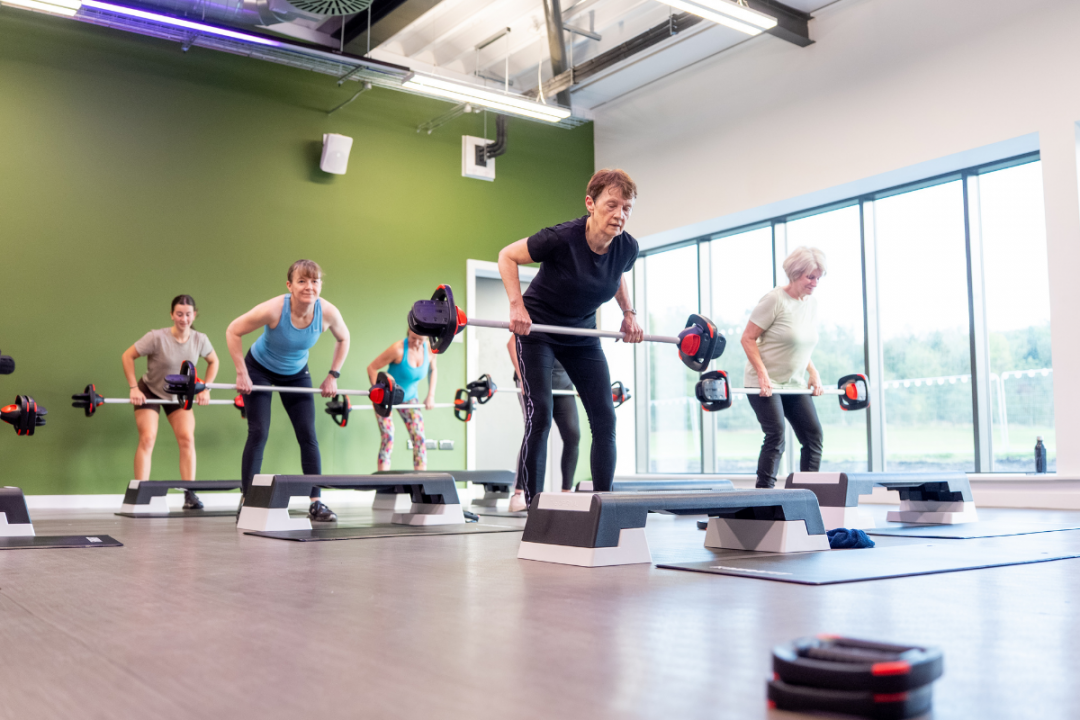
Design plays a pivotal role in achieving this. The most effective facilities are those that are accessible by design, co-located with wider community services and built with sustainability in mind. Early and meaningful stakeholder engagement is essential, ensuring that facilities reflect genuine local need rather than assumptions. Understanding how spaces will be used day-to-day enables smarter design decisions, improving operational efficiency and ensuring every element serves a clear purpose.
Equally important is adopting a whole-life approach to delivery. Early-stage decisions have the greatest influence on both cost and long-term performance. Prioritising experience, collaboration and alignment between design, cost and delivery teams helps reduce risk and improve outcomes. The lowest capital cost is rarely the most economical option over time; instead, value is created through informed decision-making, strong partnerships and a clear focus on long-term impact.
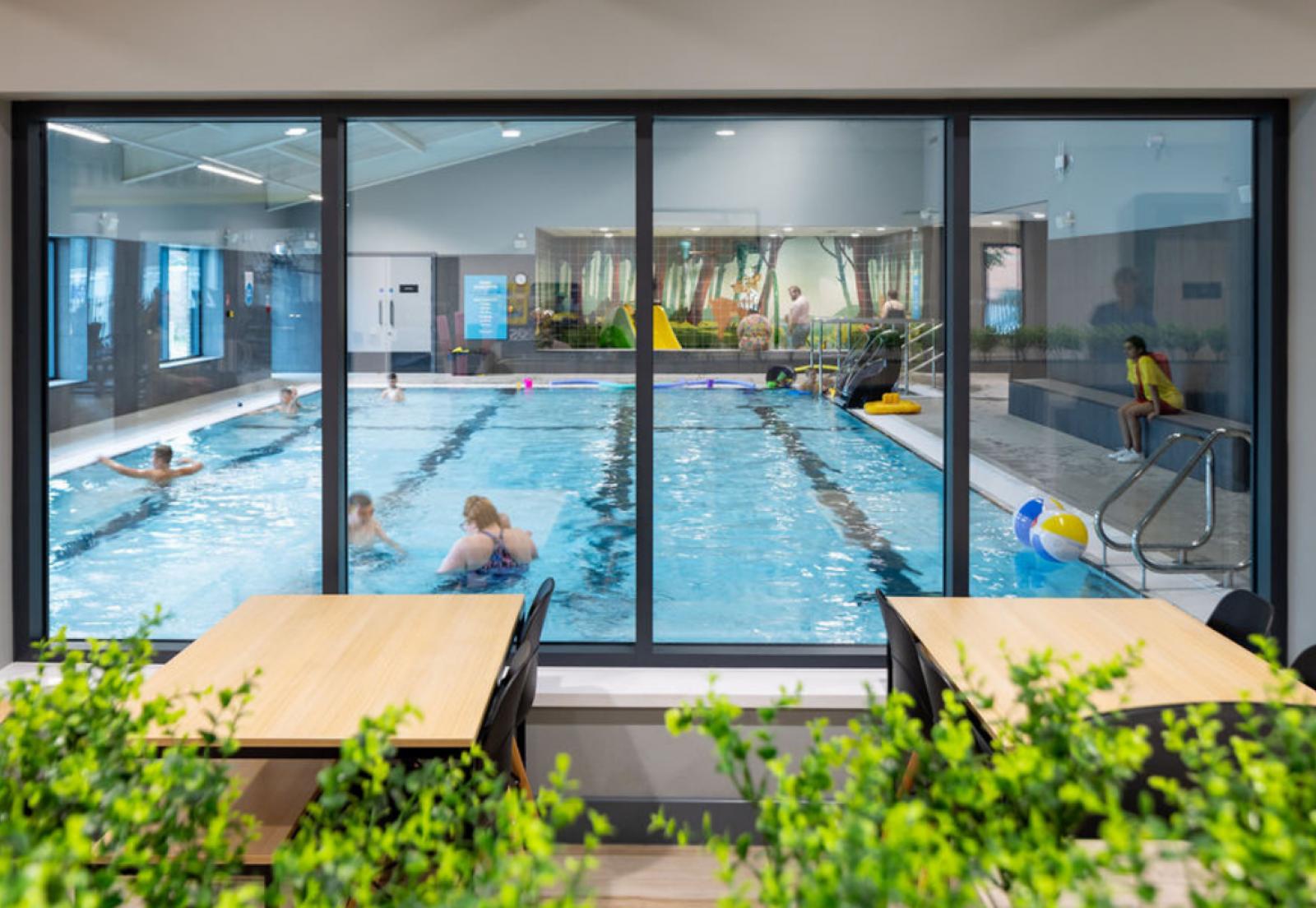
This approach is illustrated by the Warsop Health Hub, where extensive community consultation shaped a £9.1 million facility tailored to local needs. By combining leisure, health and community services under one roof, the hub has achieved strong usage and generated social value above the national average within its first year - demonstrating how outcome-led design can deliver both affordability and impact.
Similarly, the Cath Thom Leisure Centre shows how a needs-based approach can deliver both social and environmental benefits. Designed as an all-electric, accessible facility integrated within a wider sports village, it prioritises what matters most to the community while supporting long-term operational efficiency and sustainability.
These examples highlight a broader shift in thinking. Successful leisure developments are no longer defined by how little they cost to build, but by the value they generate over time. They are shaped by collaboration, guided by evidence and designed with communities at their heart.
Ultimately, the future of leisure is not just about buildings, it is about creating lasting impact.
Find out more about how Alliance Leisure work here