

The overall financial outlook for social housing is beginning to improve, but councils are still facing major pressures that could hinder their ability to build and maintain homes, according to a new Local Government Association survey.
The annual survey, which assesses the financial stability of councils’ Housing Revenue Accounts, shows encouraging upward trends – yet warns that challenges remain significant enough to threaten local housebuilding, investment plans and affordability for tenants.
The proportion of councils expecting to draw on their reserves fell sharply from 72% last year to 46% - a notable improvement and sign that financial resilience is stabilising.
There were also boosts in confidence around day‑to‑day finances:
- 71% of councils now say they expect to balance their HRA budgets in 2026/27, up from 61% in 2025/26.
- 61% feel confident they can maintain and repair their existing homes – an increase from 52% last year.
The LGA says these positive shifts reflect councils’ determination to safeguard vital housing services despite wider pressures.
Despite the improving picture, the survey highlights serious ongoing risks:
- 44% of councils say financial pressures on their HRA will reduce the amount they can invest in building new homes.
- 99% plan to raise rents in 2026/27, only slightly down from 100% last year, as inflation, building safety requirements and maintenance costs continue to rise.
- Nearly two‑fifths (39%) still do not feel able to maintain existing housing stock adequately, raising concerns about long‑term quality and safety.
The LGA warns that without further government support, affordability and housing standards could deteriorate for tenants.
From 2026/27, the Government will introduce a 10‑year social housing rent settlement allowing rents to rise by CPI + 1% annually. The aim is to give councils long‑term financial certainty. The Government has also confirmed plans for rent convergence, with a £1 per week increase from 2027/28, rising to £2 per week from 2028/29.
While these changes offer predictable income streams for future planning, councils say the initial phasing could slow the delivery of some new homes in the short term.
Despite near‑term pressure, councils believe new regulatory standards will help drive essential improvements, including the Minimum Energy Efficiency Standard and the Decent Homes Standard.
Both frameworks will give councils clearer expectations and confidence to invest in energy‑efficient, high‑quality homes over the long term.
The LGA says that although the survey shows encouraging signs, councils urgently need more flexibility over how HRA funds can be used, greater capital investment to build new social homes, and support to upgrade older stock to meet new safety and energy standards.
Without it, councils risk being unable to meet the growing demand for safe, affordable social housing — especially as pressures such as building safety, rising construction costs and ageing stock continue to intensify.
Cllr Tom Hunt, Chair of the LGA’s Inclusive Growth Committee, commented:
“It’s good news that the outlook on social housing finance has improved for councils since last year. New measures like a 10-year rent settlement and rent convergence, that councils have long called for, are important steps forward but local government still faces significant challenges.
“That nearly half say that pressures on their social housing budget will impact their ability to build more new homes is concerning.
“For the government to meet its ambition of 1.5 million homes, sufficient social housing supply is a key part of building the homes that our communities need. Supporting councils with the resources that they need to build, both financial and non-financial, will be crucial.”
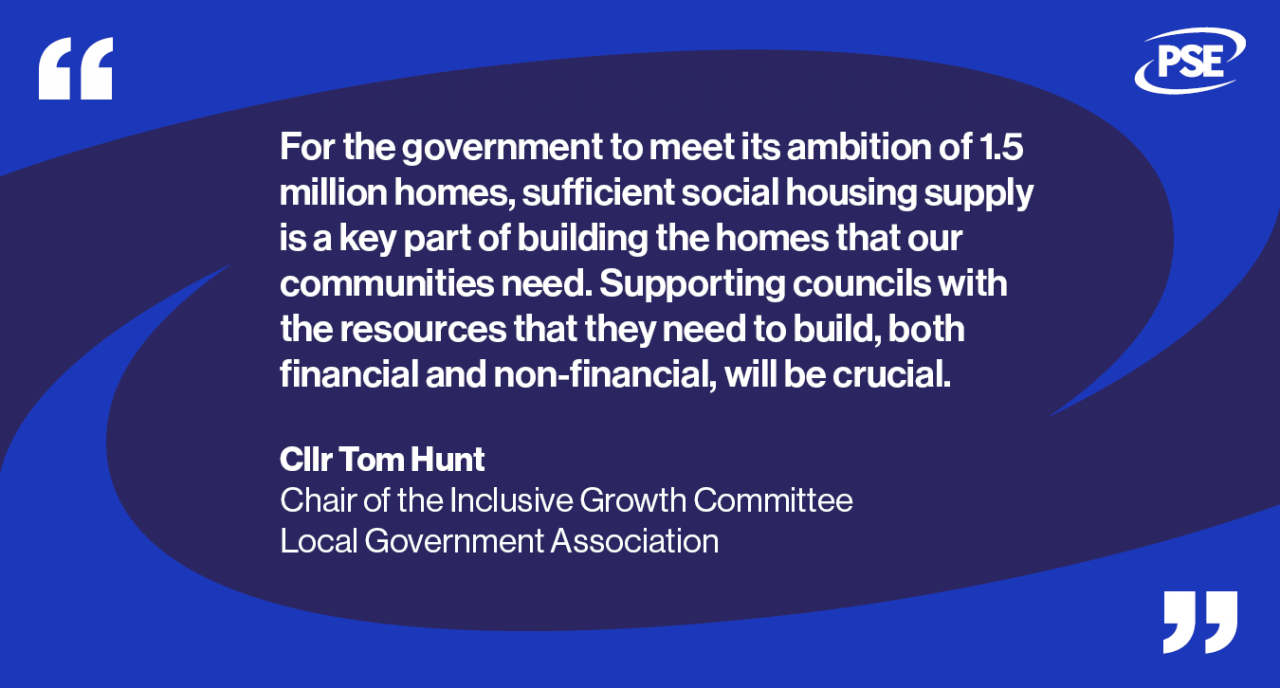
Image credit: iStock