
Communities across the country are set for major regeneration as the Government announces £319 million in new investment under its Pride in Place strategy – a long‑term plan to restore pride, opportunity and quality of life in neighbourhoods nationwide.
The funding will support high street renewal, new and upgraded children’s play spaces, long‑term community projects and innovative pilots to pool local public spending. Ministers say the package marks a significant step in shifting power to local people and backing the places that need investment the most.
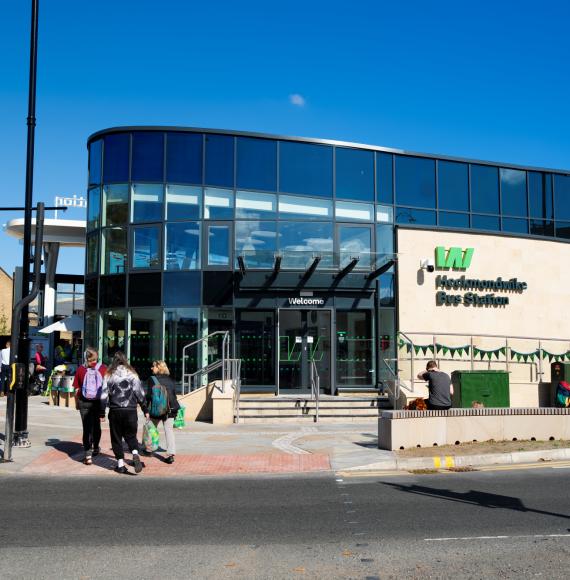
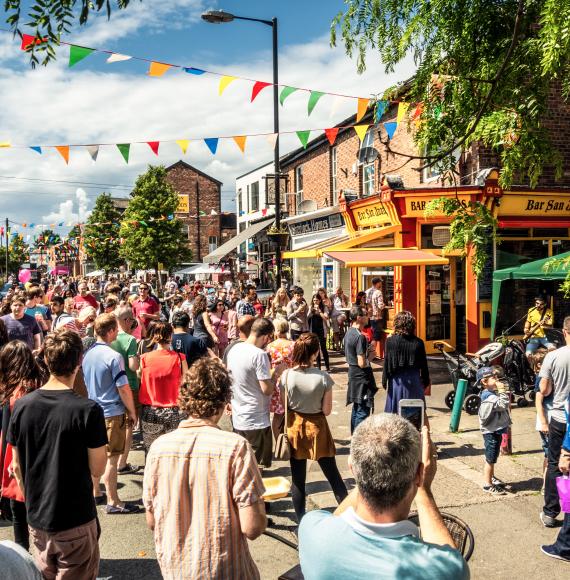
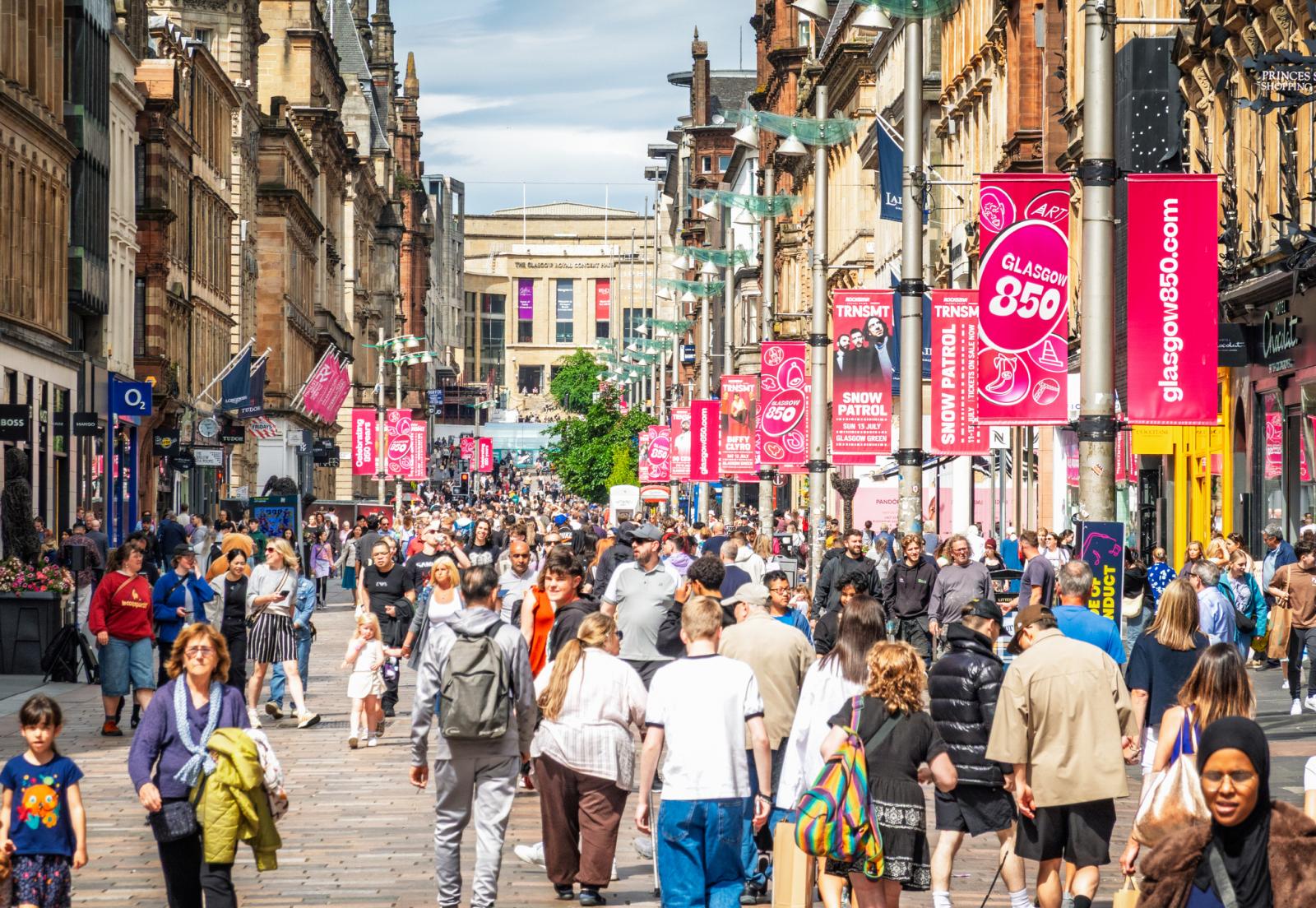
The largest portion of the funding will be delivered through High Streets Innovation Partnerships, supporting local communities to revive struggling high streets and make them fit for modern life.
Under the programme, town centres could be transformed into vibrant mixed‑use neighbourhoods featuring new homes, libraries and community hubs, health and wellbeing services, as well as shared green spaces and improved public spaces.
Local businesses and community groups will be encouraged to take part, with specific locations to be confirmed soon.
Funding will also help deliver a summer of activities to boost footfall on high streets, coinciding with major cultural and sporting events, including the World Cup, which are expected to draw visitors and create local economic opportunities.
A further £18 million will go towards providing safe, high‑quality play spaces for children in 66 of the most deprived communities across England.
Funding will be used to build new or upgrade existing playgrounds, with priority areas selected based on:
- highest levels of income deprivation affecting children
- poorest access to safe play opportunities
The initiative aims to ensure children from all backgrounds have safe spaces to play, stay active and socialise. Areas in the first phase of the Pride in Place programme will continue to progress plans for £20 million over ten years, giving communities long‑term funding to deliver what matters most to local people.
This support is designed to kickstart regeneration, helping neighbourhoods build stronger foundations for future prosperity.
Five pioneering projects will test a new model of pooled local public spending, bringing together councils, the NHS, schools and other agencies to work collaboratively rather than in silos.
These pilots will focus on:
- tackling the SEND challenge in Liverpool
- preventing youth offending in the North East
- supporting teenagers’ mental health in the Black Country
- helping adults facing multiple disadvantages in Doncaster
- getting young people into work in West Yorkshire
If successful, the government intends to roll this model out nationally – a major change in how public services fund and coordinate local interventions. The Pride in Place programme is grounded in the belief that local people know their communities best, and should have the tools, flexibility and funding needed to shape change themselves.
Ministers emphasised that:
- Communities will not need to bid for playground funding, ensuring fair and direct support
- Councils will be encouraged to buy British materials, supporting local supply chains
- New high street and community powers will help residents have a greater say in the future of their areas
Secretary of State for Housing, Communities and Local Government Steve Reed said:
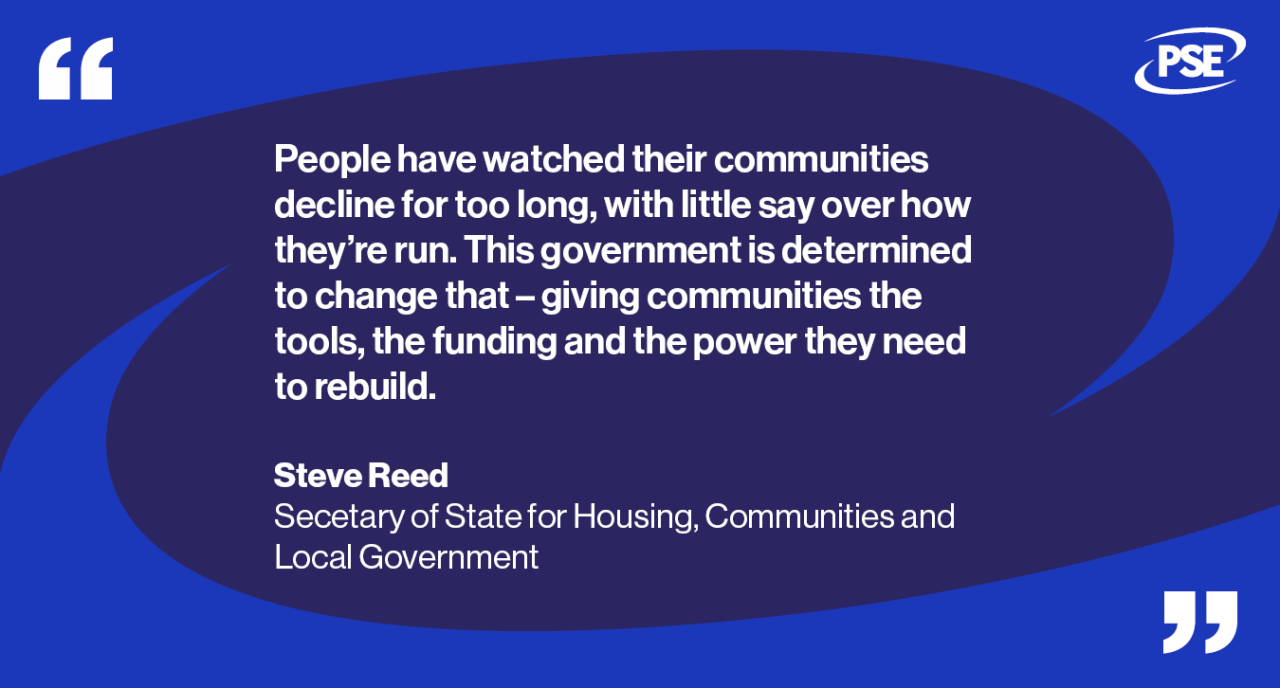
“People have watched their communities decline for too long, with little say over how they’re run. This government is determined to change that – giving communities the tools, the funding and the power they need to rebuild.
“From new playgrounds to reimagined high streets, we’re putting power back in people’s hands. People across the country will see and feel the difference this investment makes, restoring pride in local areas.”
This £319 million package represents the latest step in the Government’s mission to restore pride in communities, strengthen local economies and improve neighbourhoods across England.
With more measures expected as Pride in Place progresses, ministers say the strategy will continue to put power and pride back where it belongs: in the hands of local people.
Image credit: iStock