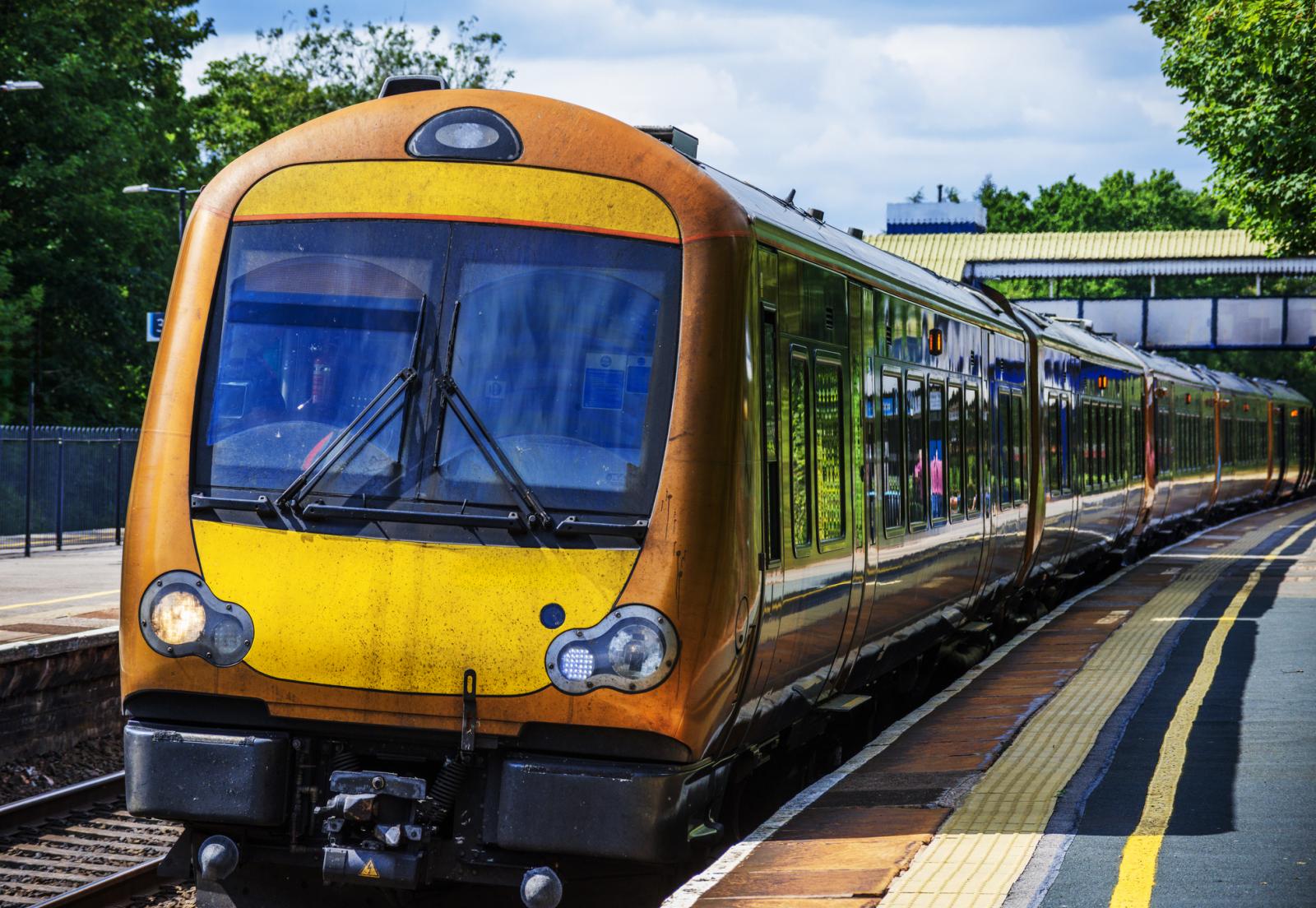

Five new railway stations across the West Midlands are set to open to passengers within weeks, completing a £185 million project designed to reconnect communities to the rail network for the first time in decades. The long‑awaited openings mark a major milestone in improving regional connectivity, offering residents faster, greener alternatives to car travel and boosting access to town centres and local businesses.
The project, backed by £126 million of Government funding and an additional £30 million secured by West Midlands Mayor Richard Parker following a 2024 transport review, represents one of the region’s most ambitious rail investment programmes in a generation.
Two new stations on the Black Country line – Willenhall and Darlaston – will open on Thursday 19th March, welcoming passengers for the first time since 1965.
A further three stations on Birmingham’s Camp Hill Line – Moseley Village, Kings Heath, and Pineapple Road – will open on Tuesday 7th April, restoring rail access to these neighbourhoods for the first time since the Second World War.
All five new stations meet modern accessibility and design standards, featuring:
- sheltered platforms
- accessible lifts
- ticket machines
- secure cycle racks
Darlaston Station will also provide 300 park‑and‑ride spaces, while Willenhall offers an additional 33 parking spaces.
Willenhall and Darlaston stations will be added to the hourly Shrewsbury–Birmingham New Street service via Wolverhampton, while the Camp Hill stations will benefit from a half‑hourly service between Birmingham city centre and Kings Norton.
West Midlands Rail Executive and partners are continuing discussions to secure further regular services for the new stops.
West Midlands Mayor Richard Parker said:
“When I took office, I promised we would get these stations finished and ready for the community, and now we are delivering on that promise.
“Closing those stations during the last century was a short-sighted mistake which has now been put right – no longer will residents have to watch every day as trains rush past without stopping.
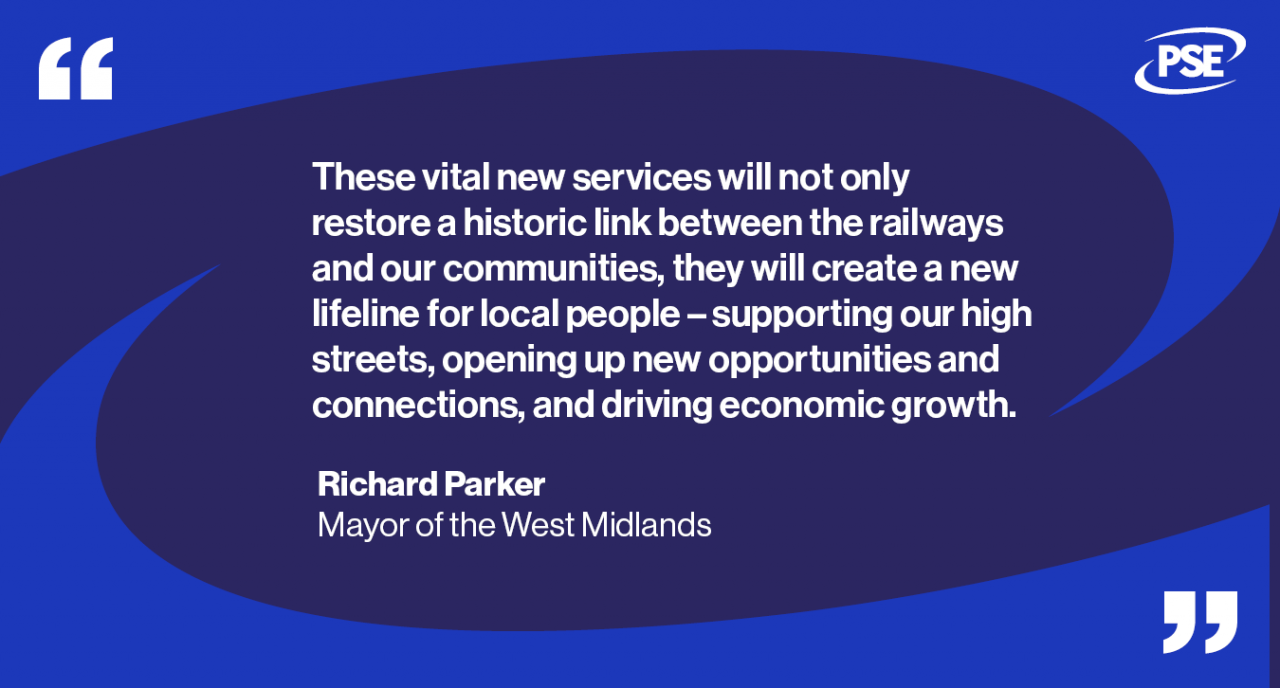
“These vital new services will not only restore a historic link between the railways and our communities, they will create a new lifeline for local people – supporting our high streets, opening up new opportunities and connections, and driving economic growth.”
The project is being delivered by Transport for West Midlands, part of the West Midlands Combined Authority, alongside the West Midlands Rail Executive, Network Rail, West Midlands Railway, Birmingham City Council, Walsall Council, and the Department for Transport.
Communities across the Black Country and south Birmingham are now set to benefit from smoother journeys, stronger economic links, and easier access to work, education and local services.
Image credit: iStock