
New government-backed guidance aimed at improving safety for women and girls on streets across England will be introduced in 2026, Active Travel England has announced.
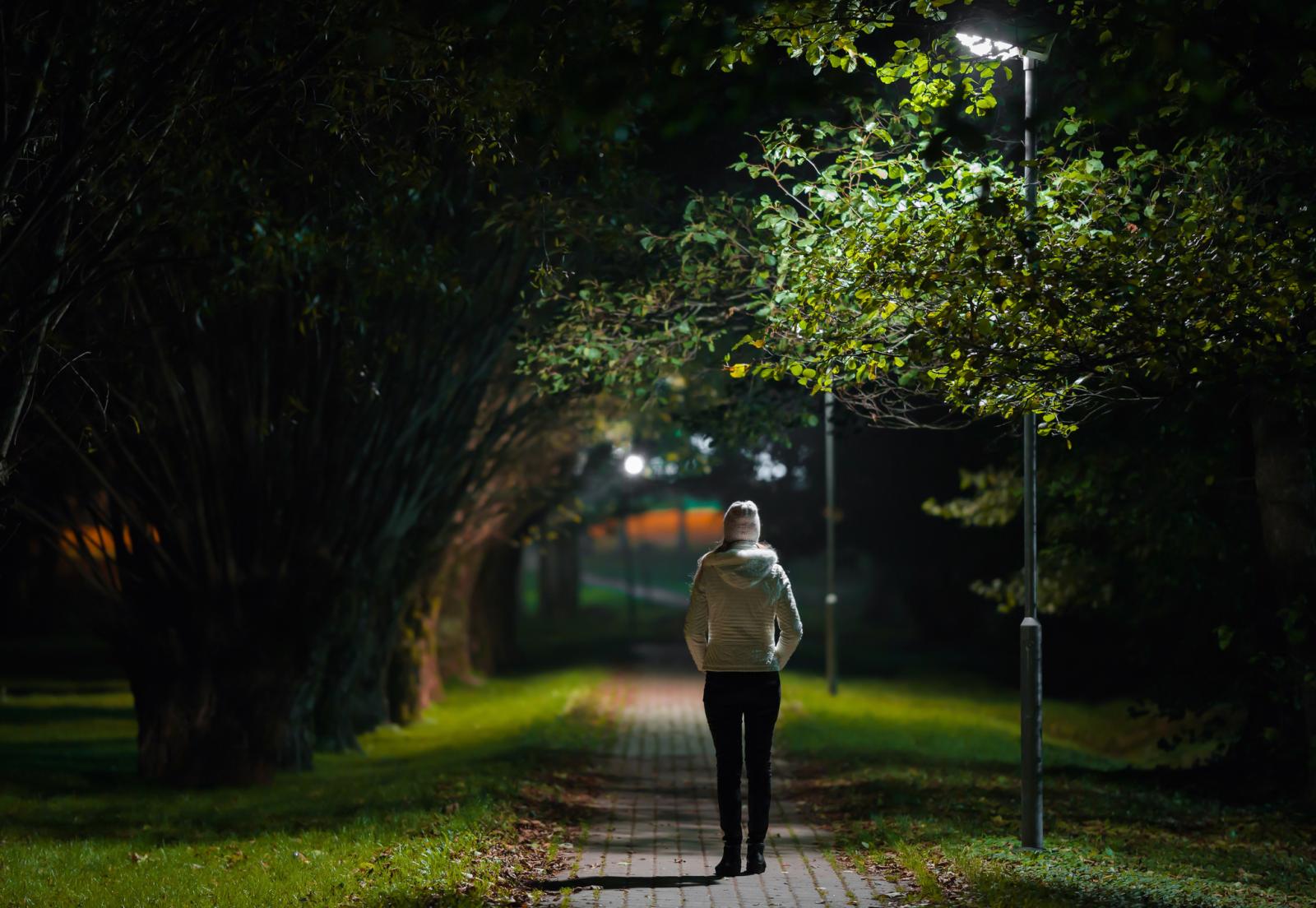
The initiative comes amid stark new findings from YouGov, revealing that 88% of women feel unsafe walking at night, while 71% have altered their routes to avoid dark or poorly lit areas during winter months.
Key concerns highlighted in the polling include inadequate street lighting, poorly maintained walking routes, antisocial behaviour and fears around personal safety.
These findings were reinforced during a recent visit to Liverpool, where Local Transport Minister Lilian Greenwood met with women and girls to discuss how urban environments could be made safer.
The forthcoming guidance, which is set to be published later in 2026 alongside spring training sessions, will help councils design safer, more inclusive streets by considering active travel through a gender-focused lens.
Recommendations will include improved street lighting and visibility, safer, well-used walking routes overlooked by the public and CCTV, as well as urban design changes to reduce isolation and risk.
The guidance will also encourage councils to embed safety into wider transport and planning decisions.
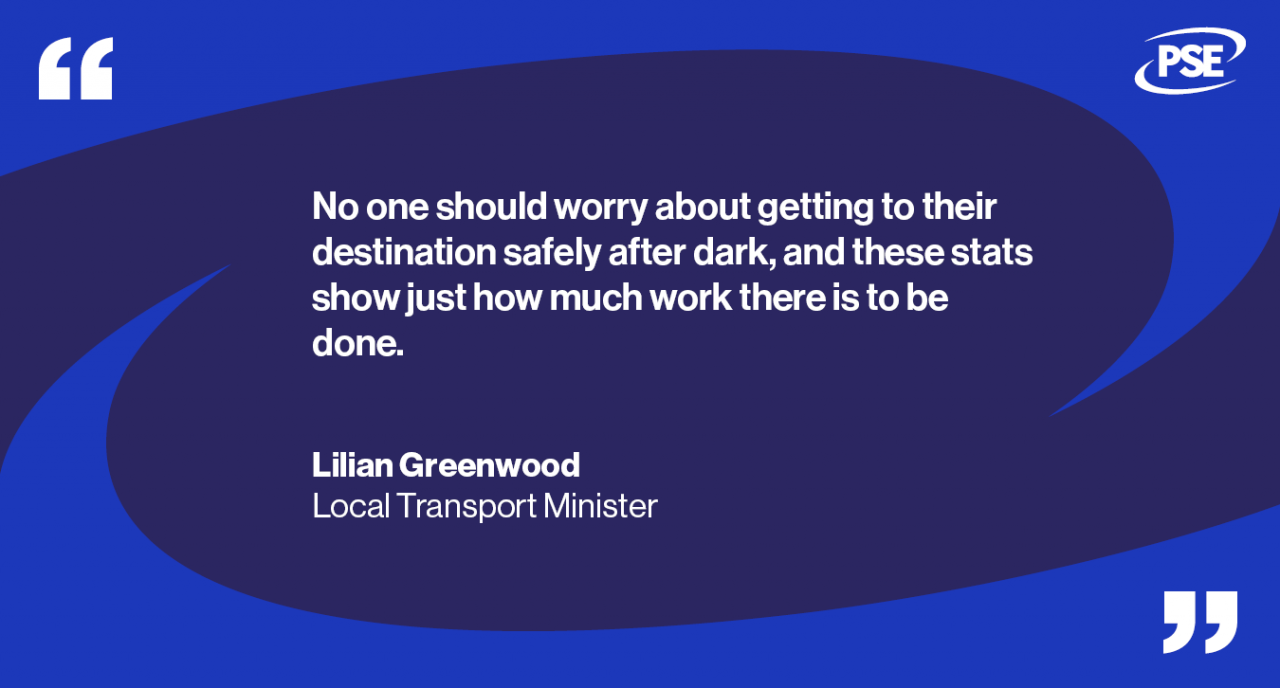
Lilian Greenwood, Local Transport Minister, commented:
“No one should worry about getting to their destination safely after dark, and these stats show just how much work there is to be done.
“This programme is turning conversations into real change by working directly with the councils who design our streets to ensure women and girls in our communities feel safe to walk, wheel and cycle whenever they want to.”
Several UK areas have already taken action to improve safety:
- In Worksop, Nottinghamshire County Council installed 27 new CCTV cameras, upgraded 200 streetlights and introduced taxi driver training through its Safer Streets scheme.
- Milton Keynes has launched bystander training and created a safer, well-lit route to its rail station.
- In Liverpool, Merseyside Police introduced “Halo Points” - well-lit emergency contact stations linked to CCTV.
Elsewhere, regional and international initiatives are also shaping best practice:
- In the North East, Mayor Kim McGuinness has committed £7.1 million to improve bus stops, including better lighting and seating.
- In Leicester and Manchester, underpasses have been replaced with street-level crossings to improve safety.
- Cities such as Amsterdam and Vigo have introduced innovative measures, including night bus request stops and safety-focused urban design.
The guidance forms part of a broader push by the Department for Transport to tackle violence against women and girls, with a national ambition to halve such incidents within a decade.
Measures already outlined include improved CCTV at transport hubs, mandatory training for bus drivers, and enhanced road policing strategies.
Local authorities will also be able to access funding from ATE’s £626 million budget to implement safety improvements, particularly those that encourage walking and active travel.
Officials say the new guidance represents a significant step towards creating safer, more inclusive public spaces, ensuring women and girls can travel with greater confidence in their communities.
Image credit: iStock