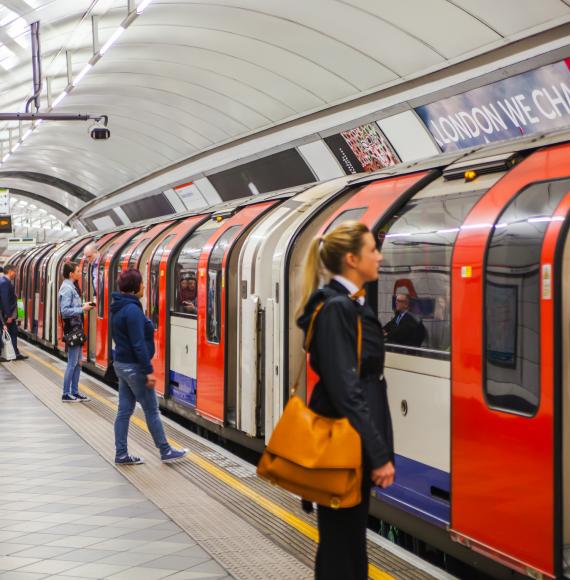

Millions of commuters across England are now benefitting from the first freeze on regulated rail fares in three decades, helping households manage cost‑of‑living pressures and supporting economic growth.
From this week, regulated fares – including season tickets, peak returns for commuters, and off‑peak returns between major cities – have been frozen, affecting more than one billion journeys a year.
For over a decade, fares rose steadily, increasing by 60% between 2010 and 2024, placing growing strain on workers and families. Without this freeze, regulated fares would have risen by 5.8%, but the government’s decision is expected to save rail passengers £600 million in 2026/27.
The freeze forms part of wider plans to encourage people back to rail by offering better value for both passengers and taxpayers.
Passengers on some of the busiest commuter routes will save more than £300 per year, with typical three‑day‑a‑week flexi‑season ticket users saving:
- £315 per year (Milton Keynes → London)
- £173 per year (Woking → London)
- £57 per year (Bradford → Leeds)
With transport costs accounting for 14% of household spending, the freeze delivers meaningful financial relief for travellers. The move follows the government’s continuation of the £3 bus fare cap, further reducing day‑to‑day travel costs for millions.
To secure further passenger improvements, the government is acting on fraud and fare‑evasion. These measures are expected to save around £40 million annually.
From 1 April, passengers will only be able to claim refunds for unused tickets before travel, closing loopholes that previously enabled fraudulent claims.
Transport Secretary Heidi Alexander said:
“Freezing rail fares for the first time in 30 years will help millions of passengers keep more of their hard-earned cash, with commuters on some routes saving more than £300 a year.
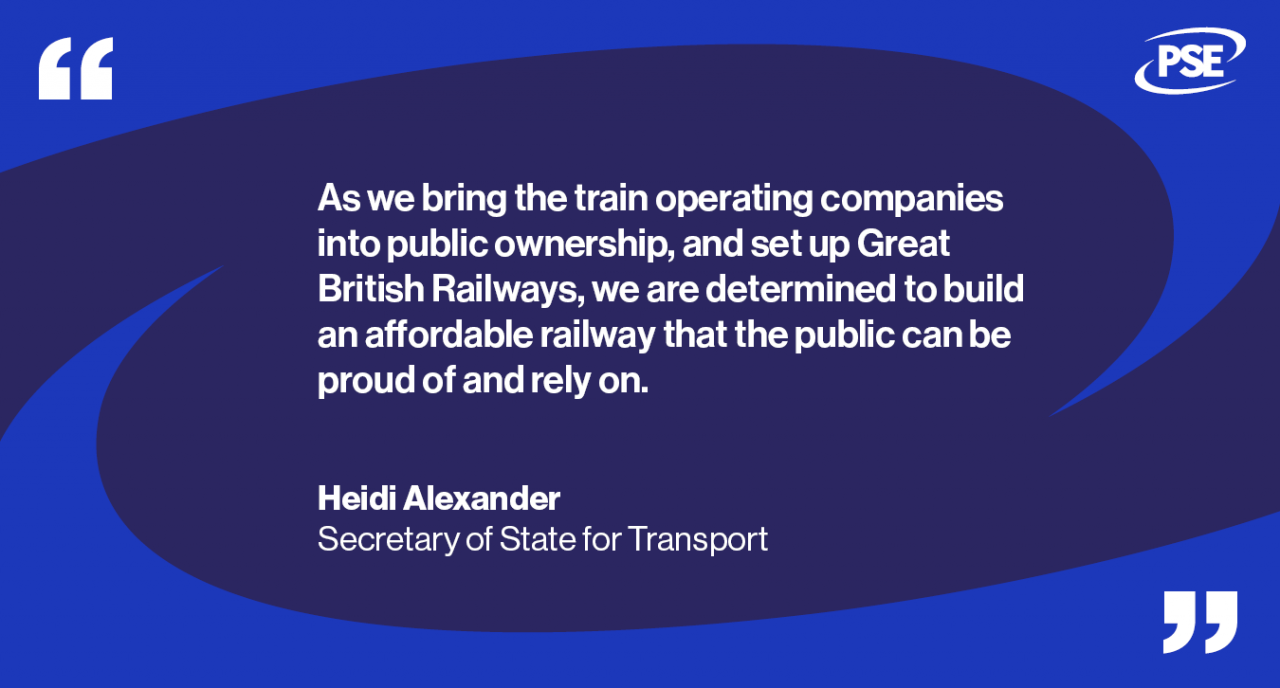
“As we bring the train operating companies into public ownership, and set up Great British Railways, we are determined to build an affordable railway that the public can be proud of and rely on.”
The freeze sits alongside wider reforms to rebuild a more reliable and modern railway. Under the Railways Bill, Great British Railways will run and manage both tracks and trains, ending decades of fragmentation.
GBR will:
- Take responsibility for fares and ticketing
- Develop a unified website and app with no booking fees
- Expand Pay‑As‑You‑Go and modern fare trials
- Be directly accountable to passengers and taxpayers
These changes aim to provide passengers with clearer information, simpler ticketing, and better‑value journeys across the rail network. Together, these improvements reflect a wider strategy to modernise public services while reducing everyday costs for the public.
Image credit: iStock