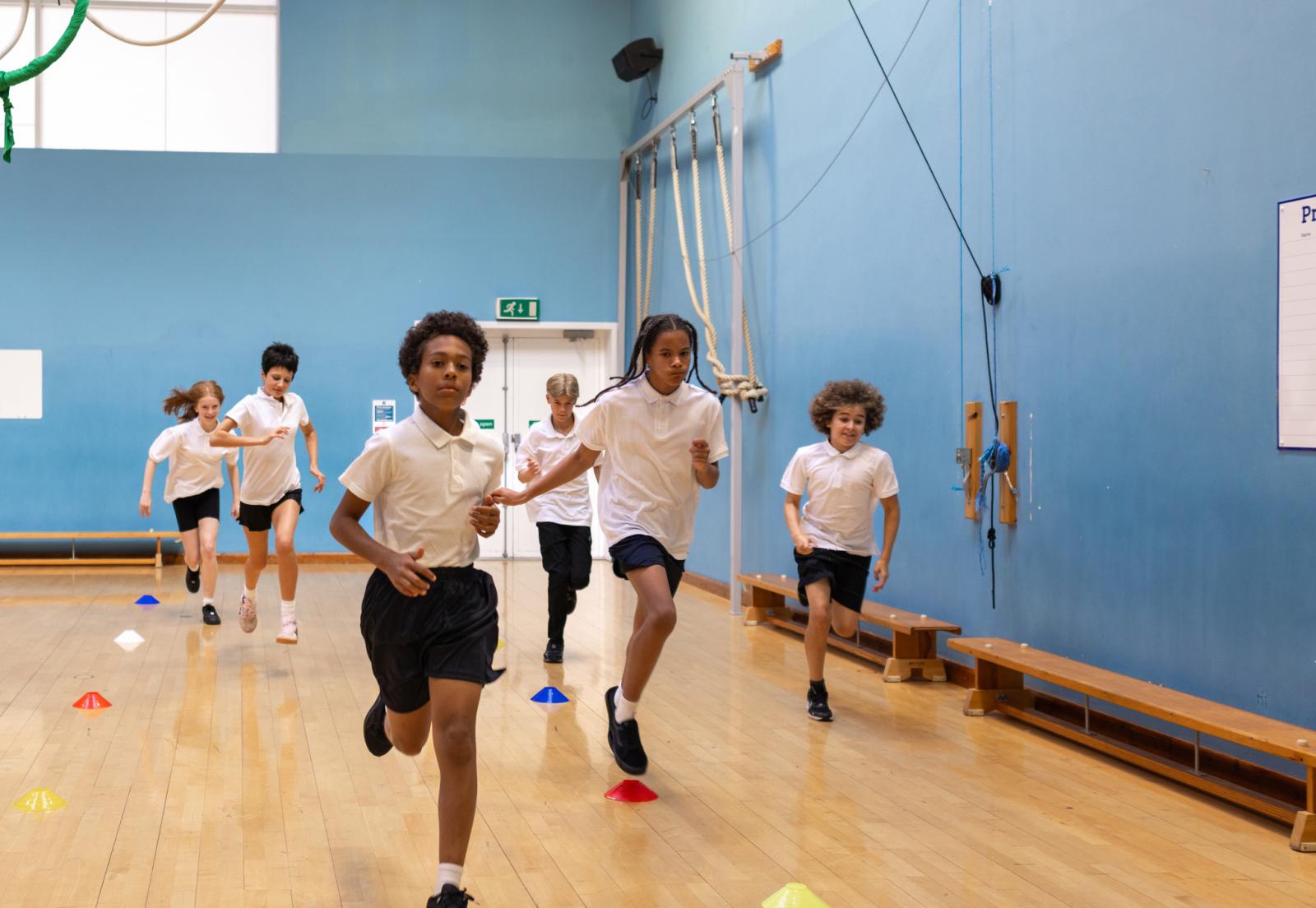

More young people will gain access to high‑quality physical education and school sport under a new PE and School Sport Partnerships Network, as the government moves to overhaul how sport is delivered in schools and tackle persistently low activity levels among children.
Backed by more than £1 billion of investment over the next three years, the reforms will bring national sporting expertise into every primary and secondary school, replacing the current PE and Sport Premium with a more tailored, needs‑led approach.
At the heart of the changes is a new Partnerships Network, backed by £580 million and set to be fully operational from Spring 2027. Ministers say the new model will end the “one‑size‑fits‑all” funding approach that has failed to close gaps in participation, particularly for girls, children with SEND and those from disadvantaged backgrounds.
Alongside the Network, almost £200 million will be invested in improving school sports facilities, helping schools upgrade equipment, improve accessibility for pupils with SEND and make better use of existing spaces. To support primary schools during the transition year, the government will also provide a one‑off £100 million PE Premium payment.
The shift comes amid mounting concern about children’s health. Less than half of young people currently meet the recommended 60 minutes of physical activity a day, and by the end of primary school one in five children is living with obesity – despite billions having been spent through the PE Premium over the past decade.
Ministers say the reforms form part of the Education Secretary’s wider agenda to deliver a broader and richer school experience, with greater emphasis on sport, music and the arts, and support the government’s ambition to raise the healthiest generation of children ever.
Education Secretary Bridget Phillipson said:
“This government was elected to give more children the opportunity to get on – no matter where they live. That starts with a richer school experience: not just academic subjects, but music, art, drama and, of course, sport.
“School sport builds confidence, belonging and wellbeing: priceless gifts that put kids on the path to getting on in life – and can even uncover the elite sports stars of the future.
“Yet too many children have been missing out. Our new approach will see every child – across both primary and secondary – more physically active regardless of their circumstances, background, ability or where they go to school.”
Learning from what worked before
The new model revives and modernises an approach that operated successfully in the early 2000s before being scrapped in 2011. At the time, Ofsted recognised School Sport Partnerships as improving access, participation and links between schools and community clubs.
Under the new system, a national delivery partner will work alongside national governing bodies to offer both universal and targeted support, shaped around the needs of individual schools and areas. Targeted interventions could include access to quality‑assured coaches, top‑up swimming lessons and expanded extra‑curricular opportunities, while all schools will benefit from on‑demand online training.
A central aim of the reforms is to tackle long‑standing inequalities in participation between boys and girls, and between disadvantaged pupils and their peers.
Part of a wider health mission
The announcement builds on the Prime Minister’s commitment to reform school sport, made when he met the Lionesses ahead of the Euros to back their call for equal access to sport for every child.
It also forms part of a wider programme of action to improve children’s health, including the rollout of free breakfast clubs, the extension of free school meals to half a million more children, restrictions on junk food advertising, bans on volume‑price promotions on less healthy food and drink, and updated School Food Standards.
Together, ministers argue, the reforms mark a decisive shift away from fragmented funding towards a coherent national system designed to embed physical activity into every child’s school experience.
Image credit: iStock