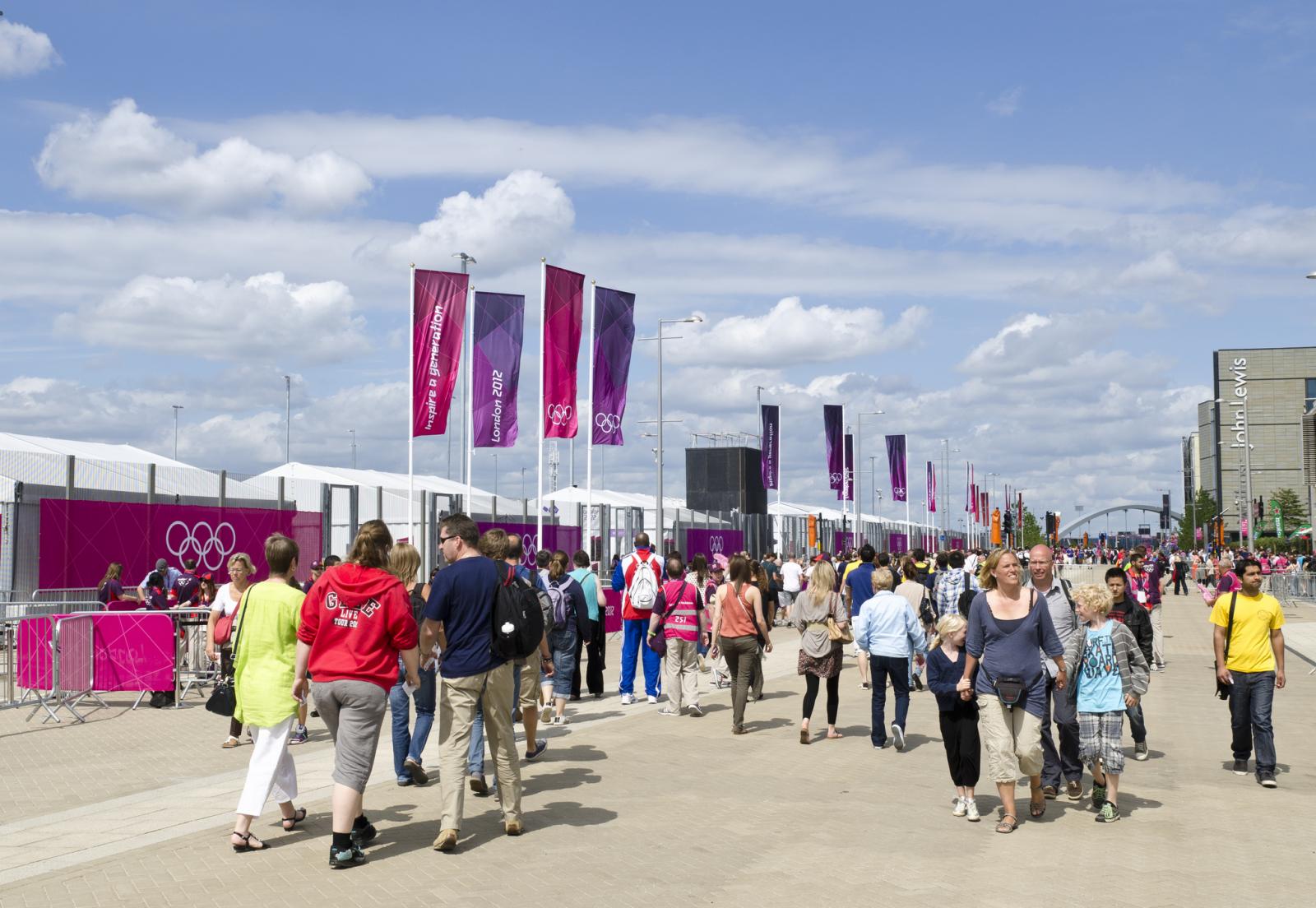

The UK Government has commissioned UK Sport, its expert arm’s‑length body, to carry out an initial strategic assessment into whether the Olympic and Paralympic Games could be hosted in the North of England during the 2040s.
The work will explore the feasibility of a future bid for the Games – the first on UK soil since London 2012 – and will examine key factors including potential cost, socioeconomic impact and the likelihood of a successful bid. Ministers see the move as part of a broader growth agenda that positions sport as a catalyst for regeneration, investment and national pride.
Major sporting events and world‑class facilities are viewed by government as powerful tools to drive economic growth, revitalise towns and cities, strengthen pride in place, and enhance the UK’s global reputation.
Culture Secretary Lisa Nandy said:
“London 2012 showed what the Olympics can do for our country. It inspired a generation through sport, attracted huge investment and showed the best of Britain to the world.
“But while the North of England has driven so much sporting excellence, no matter the talent we produce, the sporting moments we create, and the world-class events we attract - for too long we have been told the Olympics is simply too big and too important to be hosted in the North.
“Not any more. It’s time the Olympics came North and we showed what we can offer to the world. I couldn’t be more pleased to announce that we’re starting the firing gun on a long overdue vote of confidence in the North.”
The assessment by UK Sport marks an early but significant step, signalling renewed ambition for large‑scale national projects beyond London and the South East.
Alongside the Olympic assessment, the Government has announced a Stadium Regeneration Accelerator, a new cross‑government programme designed to unlock sports‑led regeneration across England.
Rather than providing direct capital funding for stadium redevelopment, the programme will work with sporting bodies to remove barriers to development and unlock opportunities for:
- Large‑scale housing delivery
- Jobs and apprenticeships
- Transport improvements
- New community sports facilities
The Department for Culture, Media and Sport (DCMS) will work alongside the Office for Investment (OfI), HM Treasury, and the Ministry for Housing, Communities and Local Government, partnering with organisations including the Premier League, English Football League and Women’s Super League.
Planned projects with regeneration potential span Greater Manchester, Birmingham, Newcastle, Leeds, Liverpool and London, with the Office for Investment acting as the main entry point for private investors. The programme will also draw on best practice from European and international counterparts.
To support future bids and delivery, the Government has introduced a new Sporting Events Bill, which will:
- Make it easier to bid for, secure and deliver major sporting events, including UEFA EURO 2028
- Criminalise the unauthorised resale of tickets for designated major events, helping ensure tickets reach genuine fans at face value rather than being exploited by touts
A UK Government Strategy for Major Events will be published within the next year, setting out a cross‑sector approach covering sporting, cultural and business events.
The strategy aims to ensure major events continue to:
- Drive economic growth
- Strengthen the UK’s soft power
- Build social cohesion in towns and cities
It will build on the UK’s recent successes, from the 80th commemorations of VE Day to the record‑breaking Women’s Rugby World Cup, and the billions generated annually by the business events sector.
The Government has also appointed Lord McConnell as Ministerial Adviser on Soft Power and Major Events. Lord McConnell played a central role in bringing the Glasgow 2014 Commonwealth Games to the UK and will support ambitions to position Britain as a global destination for major sporting and cultural events.
The UK already has a strong pipeline of major sporting events, including:
- ICC Women’s T20 World Cup
- European Athletics Championships in Birmingham
- Commonwealth Games in Glasgow
- Tour de France and Tour de France Femmes Grands Départs (2027)
UEFA EURO 2028 alone is forecast to deliver £3.2 billion in socioeconomic benefits, creating jobs, driving regional growth and attracting international visitors nationwide.
The Government is also backing bids for the World Athletics and Para‑Athletics Championships in 2029, and the 2035 FIFA Women’s World Cup, alongside more than £500 million invested in major events and at least £400 million committed to grassroots sports facilities.
Image credit: iStock