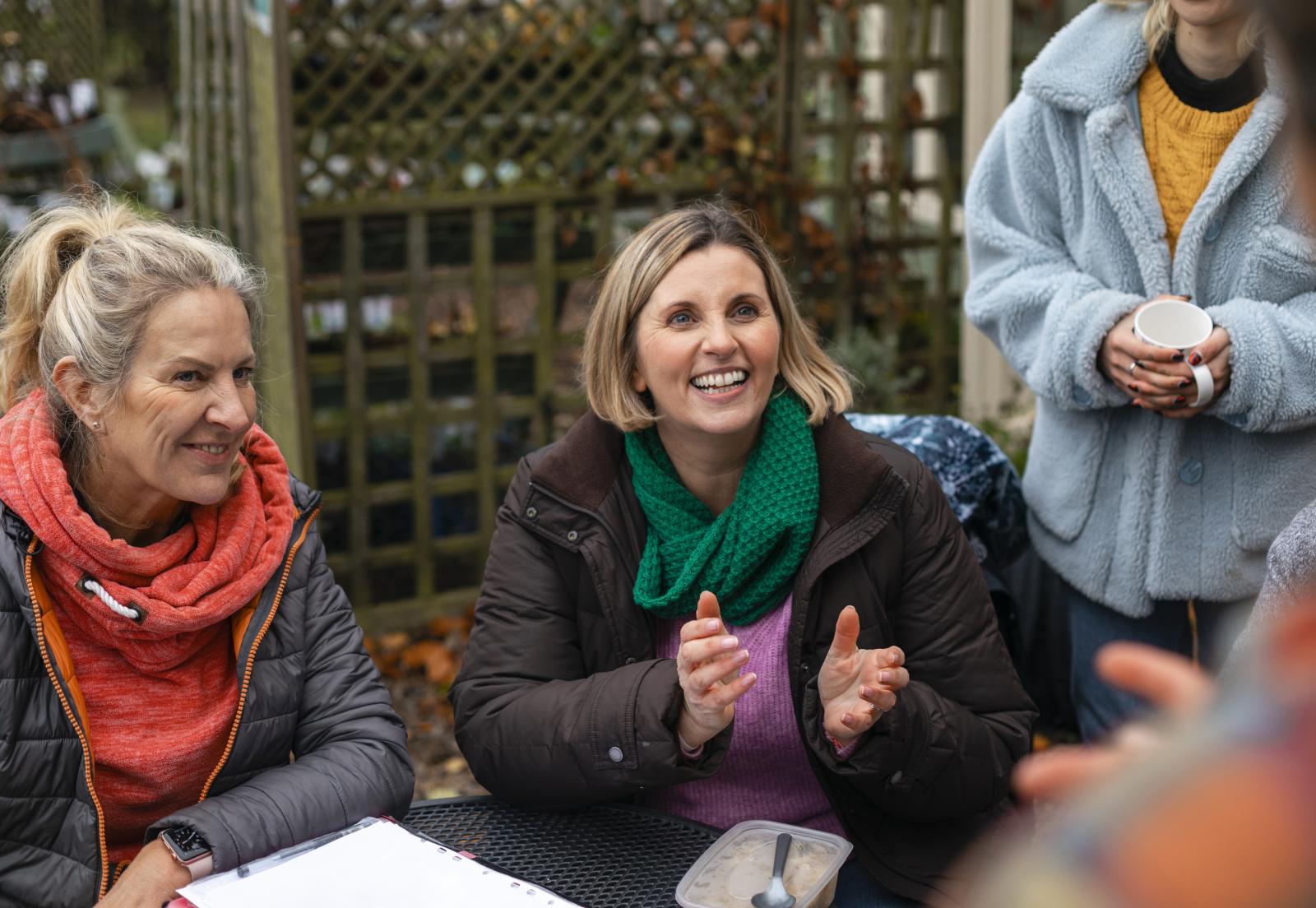

Liverpool City Council has brought together women, community organisations, health partners, and local leaders to drive forward action on women’s health inequalities, launching the next phase of work to improve outcomes across the city.
The Women’s Health Conference created a platform for women with lived experience to share their perspectives alongside frontline professionals and system leaders, helping to shape a more collaborative and inclusive approach to tackling long‑standing disparities.
Women in Liverpool experience poorer health outcomes than the national average, developing illness earlier and spending a greater proportion of their lives in poor health.
On average, women in the city experience ill health around 10 years earlier than elsewhere in England and spend approximately 30% of their lives in poor health.
They are also more likely to die prematurely from preventable causes, with a wider inequality gap compared to men.
The conference highlighted how women’s health is shaped by deep‑rooted social and economic inequalities.
Women in Liverpool are more likely to experience:
- Poverty and financial insecurity
- Low‑paid or unstable employment
- Unpaid caring responsibilities
- The long‑term effects of trauma
These factors combine to have a cumulative impact on both physical and mental health across the life course.
Mental health was identified as a growing concern, with:
- Around 17% of women in Liverpool affected by depression
- Nearly 30% of women in midlife experiencing mental ill health
Preventable risk factors such as smoking, obesity, alcohol, and drug use continue to contribute to poor health outcomes. Notably, drug‑related deaths among women in Liverpool are more than three times the national average.
Delegates heard how women’s specific health needs are often under‑recognised or poorly supported.
Conditions such as:
- Endometriosis
- Menstrual health issues
- Menopause‑related conditions
They are frequently underdiagnosed or inadequately treated, while waiting times for gynaecology services remain among the longest in the NHS.
As the city’s population ages, there is also increasing concern about healthy ageing, particularly in relation to preventable conditions such as cardiovascular disease, cancer, respiratory illness, and falls.
A consistent message emerging from engagement work is that many women feel they are not listened to, believed, or supported when seeking healthcare.
Barriers such as long waiting times, fragmented care pathways, and difficulty accessing services have all contributed to poor experiences and outcomes. At the same time, women highlighted the importance of community organisations, peer support networks, and trusted local services in providing essential support.
The conference reinforced that improving women’s health requires a joined‑up, system‑wide approach, involving not only health services but also local government, housing, education, and employment sectors.
Partners acknowledged that progress will depend on:
- Strong collaboration across agencies
- Continued engagement with women and communities
- A focus on prevention and early intervention
The event marked a significant moment in Liverpool’s wider efforts to address health inequalities and improve outcomes for women.
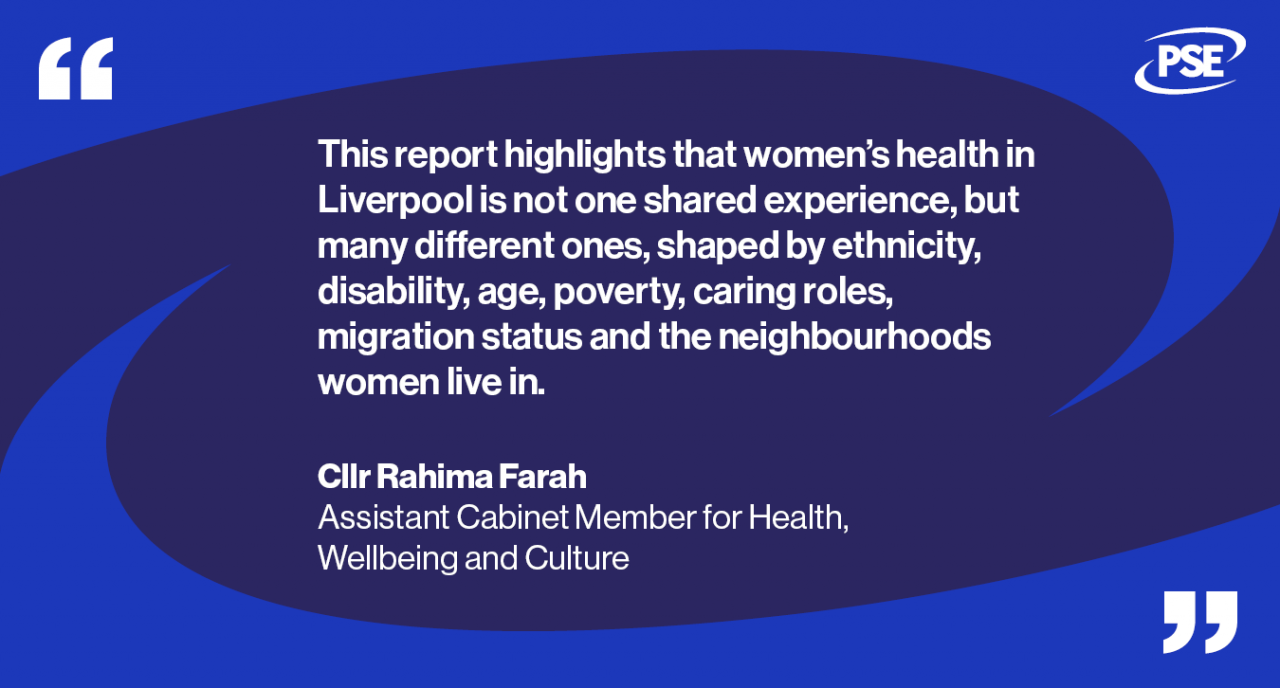
Liverpool City Council’s Assistant Cabinet Member for Health, Wellbeing and Culture, Cllr Rahima Farah, said:
“This report highlights that women’s health in Liverpool is not one shared experience, but many different ones, shaped by ethnicity, disability, age, poverty, caring roles, migration status and the neighbourhoods women live in. Women and girls across communities tell us they face different barriers to care, from language and cultural expectations to discrimination, trauma, and unequal access to services. Too many still feel unheard or unsupported. Improving women’s health means recognising these differences, valuing lived experience, and working alongside communities to tackle the wider inequalities that affect women’s health.”
Liverpool City Council and its partners said the conference reflects a shared ambition to:
- Strengthen collective advocacy for women’s health
- Ensure women’s voices shape policy and service design
- Deliver long‑term, meaningful improvements in health and wellbeing
By bringing together lived experience, professional expertise and strategic leadership, the city aims to build momentum for change and create a future where all women can access the support they need and live healthier lives.
Image credit: iStock