Local authorities are facing significant challenges, from widening health inequalities and ageing infrastructure to financial constraints and demanding carbon reduction targets. Against this backdrop, simply upgrading existing leisure centres is unlikely to deliver the outcomes communities increasingly require. Instead, leisure should be recognised as a key component of preventative health, community wellbeing and long-term local resilience.
Across the UK, many councils are shifting away from a purely facility-focused approach and embracing an Active Wellbeing model. This places greater emphasis on the social and health outcomes leisure spaces can generate, rather than the buildings themselves. While encouraging physical activity remains important, equal attention is being given to mental health, social inclusion and tackling inequalities.
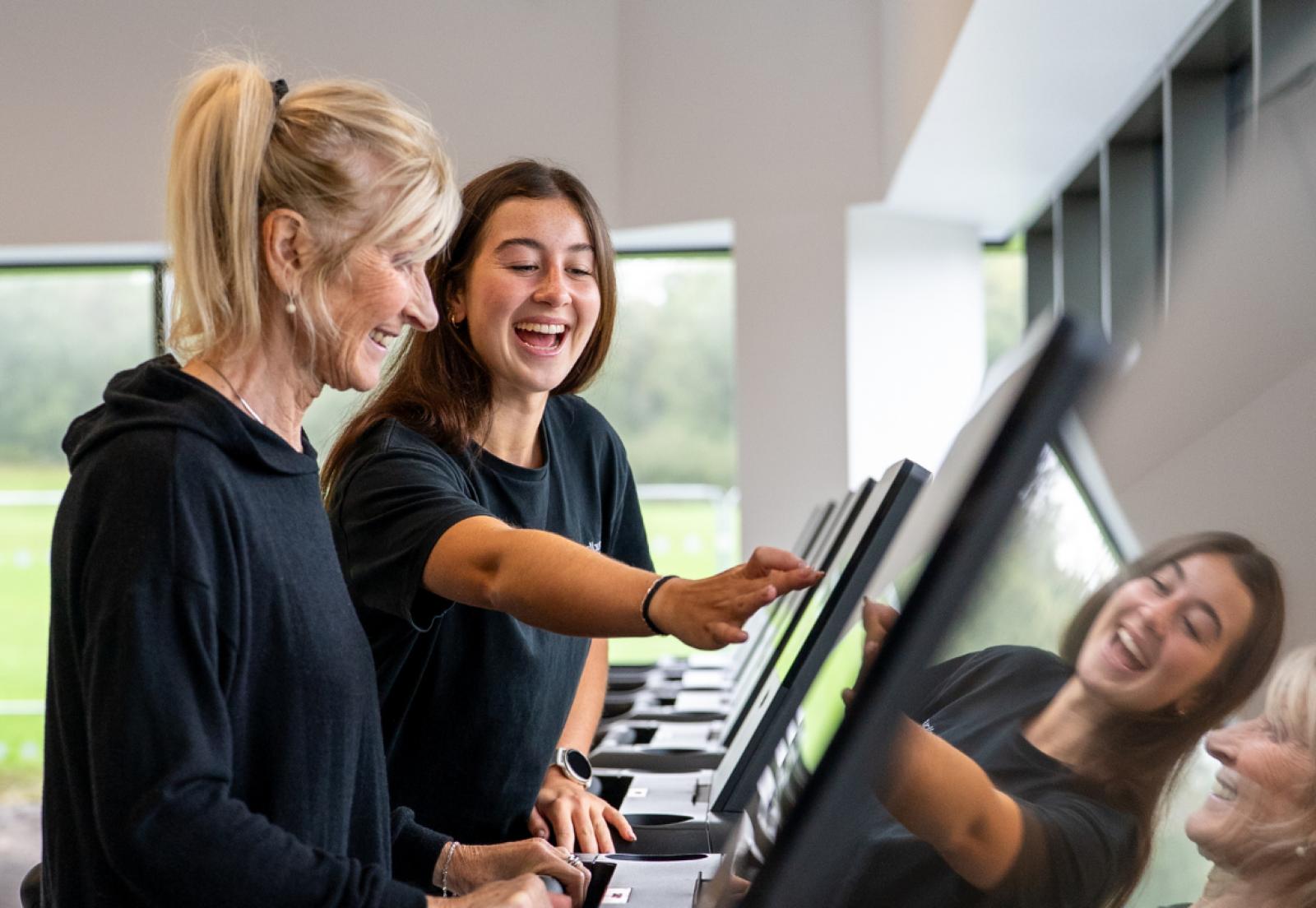
Leisure is one of the few council-owned assets capable of supporting multiple policy objectives at once. A well-designed leisure offer can improve public health, engage children and young people, support healthy ageing and foster stronger community connections through a single accessible resource.
The key challenge is ensuring facilities continue to meet the changing needs of local residents. Centres that fail to adapt risk becoming an increasing financial burden, while those shaped around community priorities can deliver lasting social, health and economic value.
This shift is evident in projects such as Clay Cross Active in North East Derbyshire, where a modern health and wellbeing hub has broadened community engagement and strengthened its role within local regeneration. Similarly, Brandon Leisure and Health Hub in West Suffolk demonstrates how leisure can sit alongside NHS services and wellbeing support, creating a more accessible and preventative model of community healthcare.
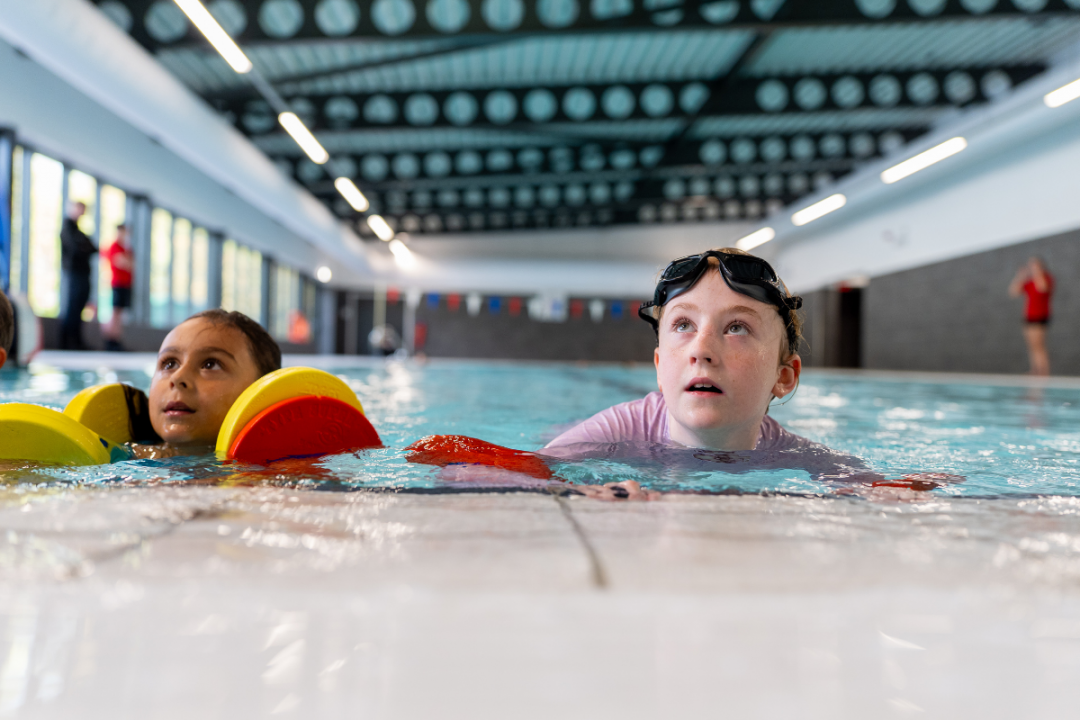
Environmental sustainability must also be at the heart of future leisure development. Rising energy costs and carbon reduction commitments mean councils need to focus on whole-life value rather than capital cost alone. Facilities such as The Cath Thom Leisure Centre in Hyndburn show how energy-efficient design can support both environmental objectives and long-term financial resilience.
In the years ahead, leisure has the potential to become one of local government’s most effective preventative assets - but only if we are prepared to rethink its role. The most successful authorities will be those that view leisure as a strategic investment in healthier, more connected and more resilient communities.