
The Local Government Association has warned that declining childhood vaccination rates across England will not be reversed unless councils are given stronger powers and clearer accountability ahead of major NHS commissioning changes scheduled for 2027.
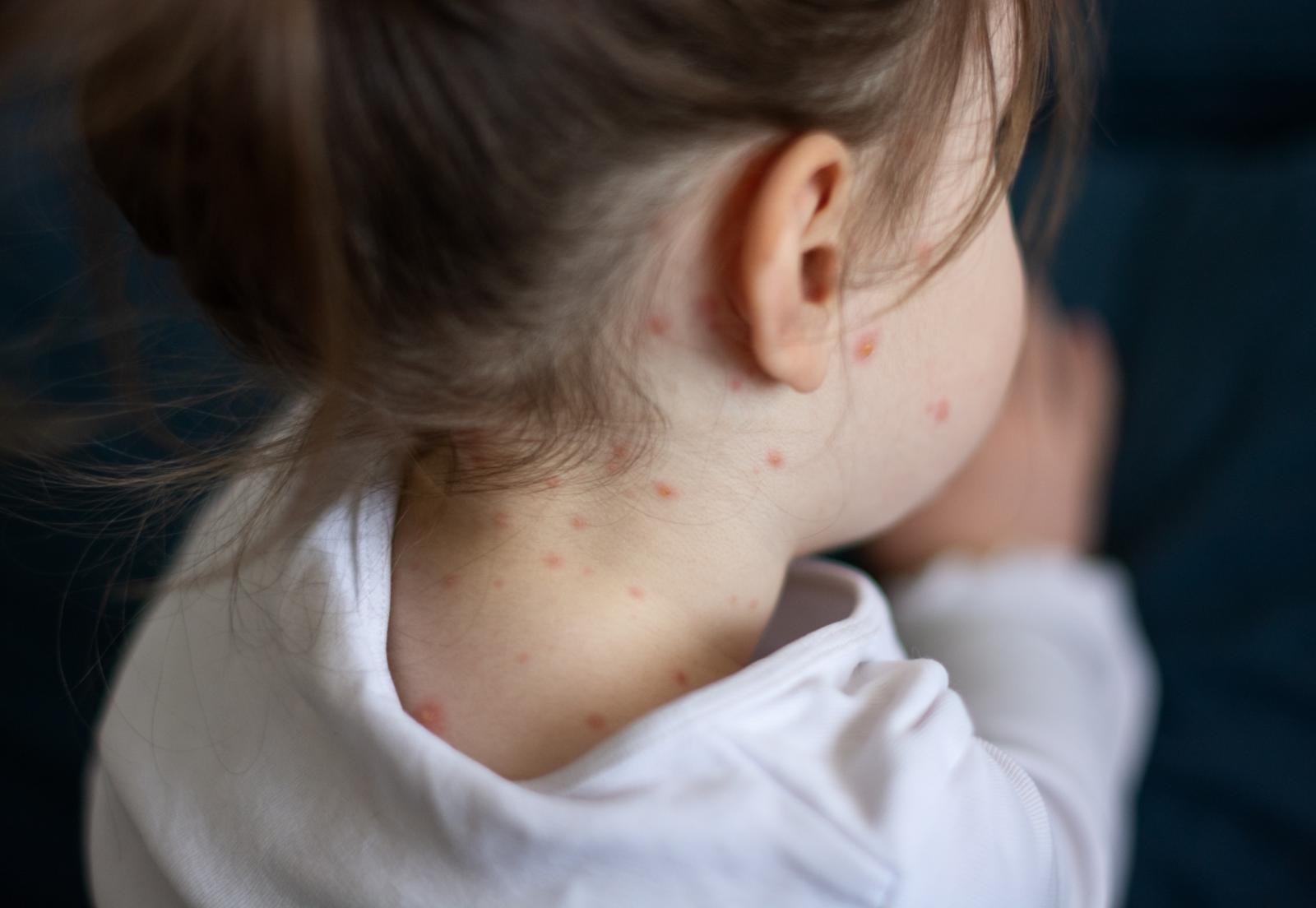
The warning comes as measles cases continue to rise across England, with outbreaks reported in London and the West Midlands since April 2025. Concerns have intensified following the World Health Organisation's decision to remove the UK's measles elimination status after a sustained increase in infections.
Current childhood MMRV (measles, mumps, rubella and chickenpox) vaccination coverage remains below 85%, well short of the WHO target of 95%, leaving thousands of children vulnerable to preventable diseases.
Significant Regional Disparities in Vaccine Uptake
Vaccination uptake varies dramatically across England. First-dose MMRV coverage differs by more than 38 percentage points between local authorities, while there is a 15% gap between the most and least deprived communities.
The challenge extends beyond measles. Uptake of routine childhood vaccinations protecting against conditions including pneumonia, meningitis, polio and tetanus has also fallen. No routine childhood vaccination programme in England has achieved the WHO's recommended coverage target since the 2020/21 financial year.
Concerns Over 2027 Commissioning Changes
Responsibility for immunisation commissioning will transfer from NHS England to Integrated Care Boards (ICBs) in April 2027. The LGA believes the transition could create uncertainty around local accountability unless responsibilities are simplified and clearly defined.
At present, vaccination programmes are delivered through a complex system involving NHS England, the UK Health Security Agency, Integrated Care Boards and local councils.
The LGA argues that recovering vaccination rates will require long-term commitment, improved data sharing, stronger partnerships between councils and ICBs, and greater local leadership.
With deep community connections, democratic accountability and established relationships across local services, councils believe they are uniquely positioned to engage families who are missing out on vaccinations and address vaccine hesitancy within communities.
New LGA Guide Calls for Action
Alongside publishing a new vaccination guide for councils, the LGA is calling on the Government to:
- Introduce a single named and accountable vaccination lead in every local area.
- Ensure Directors of Public Health receive real-time, ward-level data covering all routine vaccinations.
- Provide dedicated funding for councils' vaccine outreach and community engagement work.
- Maintain local authority representation on Integrated Care Boards.
Cllr Dr Wendy Taylor MBE, Chair of the LGA's Health and Wellbeing Committee, said:
“England is seeing a concerning rise in measles cases while childhood vaccination rates fall across the board.
“Measles is entirely preventable. The fact that it continues to spread reflects a failure to ensure vaccines are accessible, particularly in some of our most deprived communities. This must be addressed as a matter of urgency.
“Councils will continue to provide trusted information to families and support communities that have concerns, so more children are protected.
“But falling childhood vaccination rates will not be reversed unless council Directors of Public Health have the data, the partnerships and the authority they need to meet their statutory duty and protect their populations.
"It must be clear who has overall oversight and accountability for vaccination in each local area. The 2027 commissioning transition must not leave councils out of the picture at precisely the moment local leadership is most needed."
Image credit: iStock