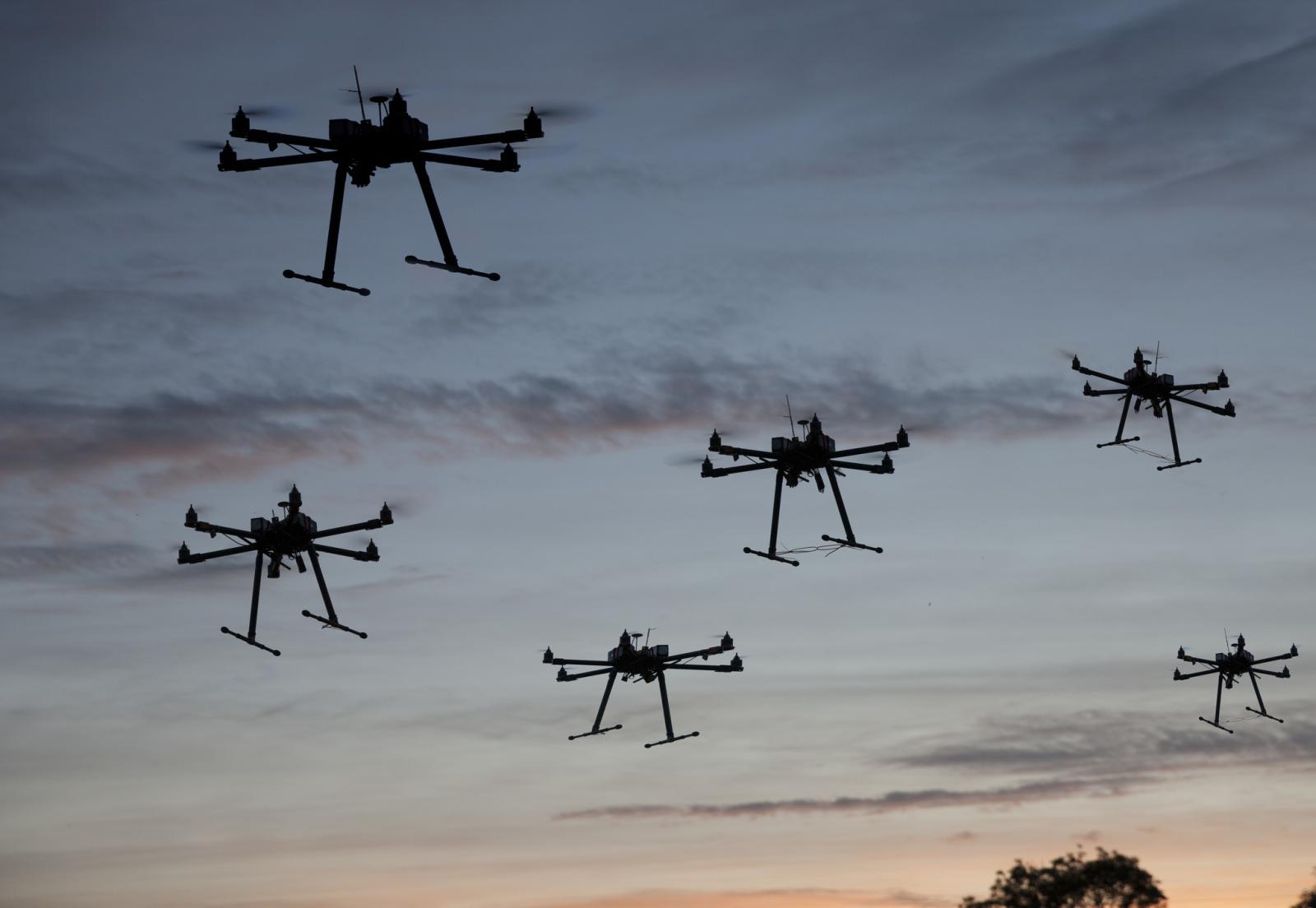

The UK Civil Aviation Authority has published a new report examining how noise from drones and electric vertical take-off and landing aircraft (eVTOLs) should be assessed and managed as these emerging technologies move closer to widespread commercial use.
The publication, Managing Noise from Emerging Aviation Technology (CAP3304), explores how the aviation sector can balance innovation with community concerns as drone and eVTOL operations become increasingly common across the UK.
While both drones and eVTOL aircraft are expected to be significantly quieter than conventional helicopters performing comparable tasks, the CAA warns that their rapid expansion could create new noise-related challenges that require careful management.
Commercial drone activity is forecast to grow substantially over the next decade, supporting a wide range of public and private sector applications. These include infrastructure inspections, emergency response operations, logistics services and the transportation of medical supplies.
At the same time, eVTOL aircraft are emerging as one of the most dynamic areas of aviation innovation. Early commercial uses are expected to focus on airport transfers, regional transport links and support for emergency services, helping to improve connectivity while contributing to the transition towards lower-emission air transport.
As operations expand beyond pilot projects and trials, understanding how communities experience aircraft noise will become increasingly important to ensuring public acceptance and long-term success.
According to the CAA's findings, drones and eVTOLs could create different patterns of noise exposure compared with traditional aviation.
Although these aircraft are generally quieter than helicopters, they may operate at lower altitudes, fly closer to residential areas and use routes over locations that have historically experienced little or no aircraft activity.
The report highlights that factors such as the character of the noise, the frequency of flights and the visibility of aircraft may all influence how communities perceive and respond to these technologies.
This means that traditional approaches to aviation noise management may need to be adapted to reflect the unique operating characteristics of emerging aircraft.
The report identifies several key priorities for industry, regulators and policymakers, including:
- Encouraging quieter aircraft design and technological innovation.
- Introducing proportionate and evidence-based noise assessments.
- Developing appropriate flight routes and operating procedures.
- Ensuring transparent engagement with communities.
- Providing accessible and effective complaints processes.
- Collecting operational and noise-monitoring data to support future policy development.
The work forms part of the CAA's wider Future of Flight programme, which aims to safely integrate drones and eVTOL aircraft into UK airspace while maintaining high standards of safety, security and environmental protection.
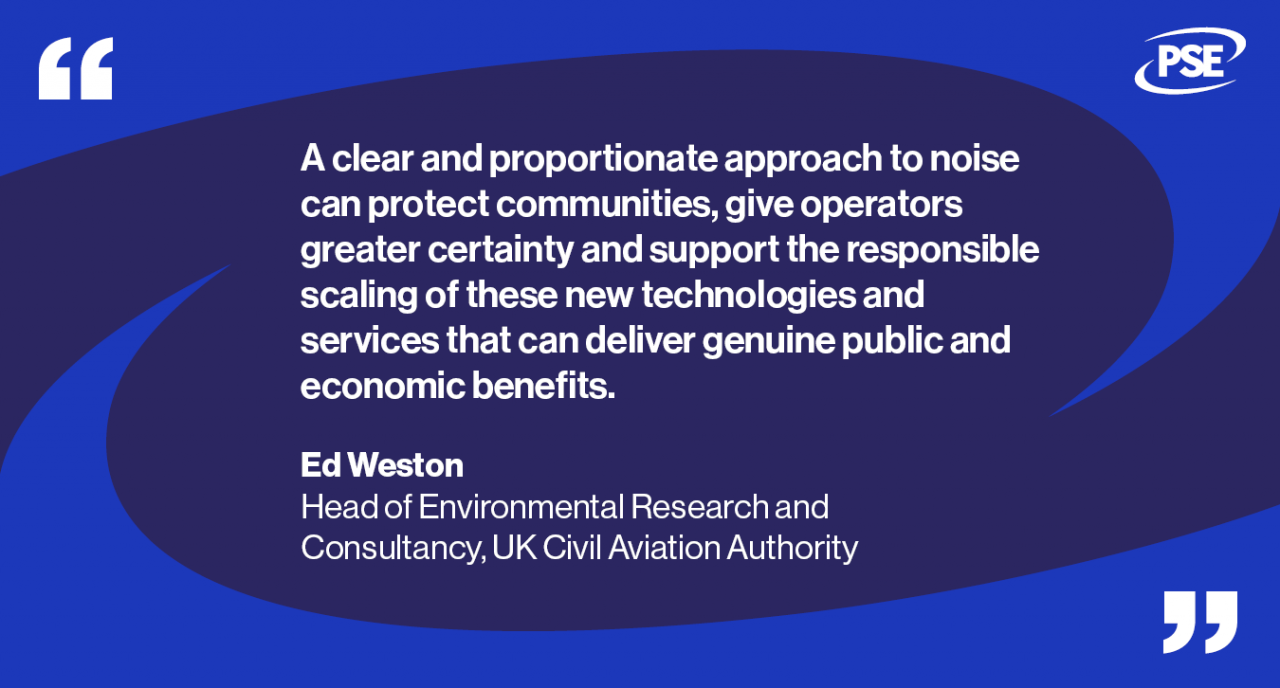
Ed Weston, Head of Environmental Research and Consultancy at the UK Civil Aviation Authority, said:
“Taking the opportunity to improve our understanding and develop good practice while the sector is still emerging and expanding is vital.
“A clear and proportionate approach to noise can protect communities, give operators greater certainty and support the responsible scaling of these new technologies and services that can deliver genuine public and economic benefits.”
The report has also been developed to support the Department for Transport's ongoing work on a national drone noise policy.
The CAA recommends that any initial policy framework should be flexible enough to support trials, early deployments and emerging commercial services, while remaining proportionate, consistent and capable of evolving as operational experience grows.
With the UK positioning itself at the forefront of aviation innovation, managing the environmental impacts of drones and eVTOLs is expected to play a key role in ensuring these technologies can be adopted successfully and sustainably.
Image credit: iStock