
Prime Minister Andy Burnham has become the first Prime Minister to work from No10 North, marking a significant shift in how government operates and signalling the end of decision-making being concentrated solely in Westminster.
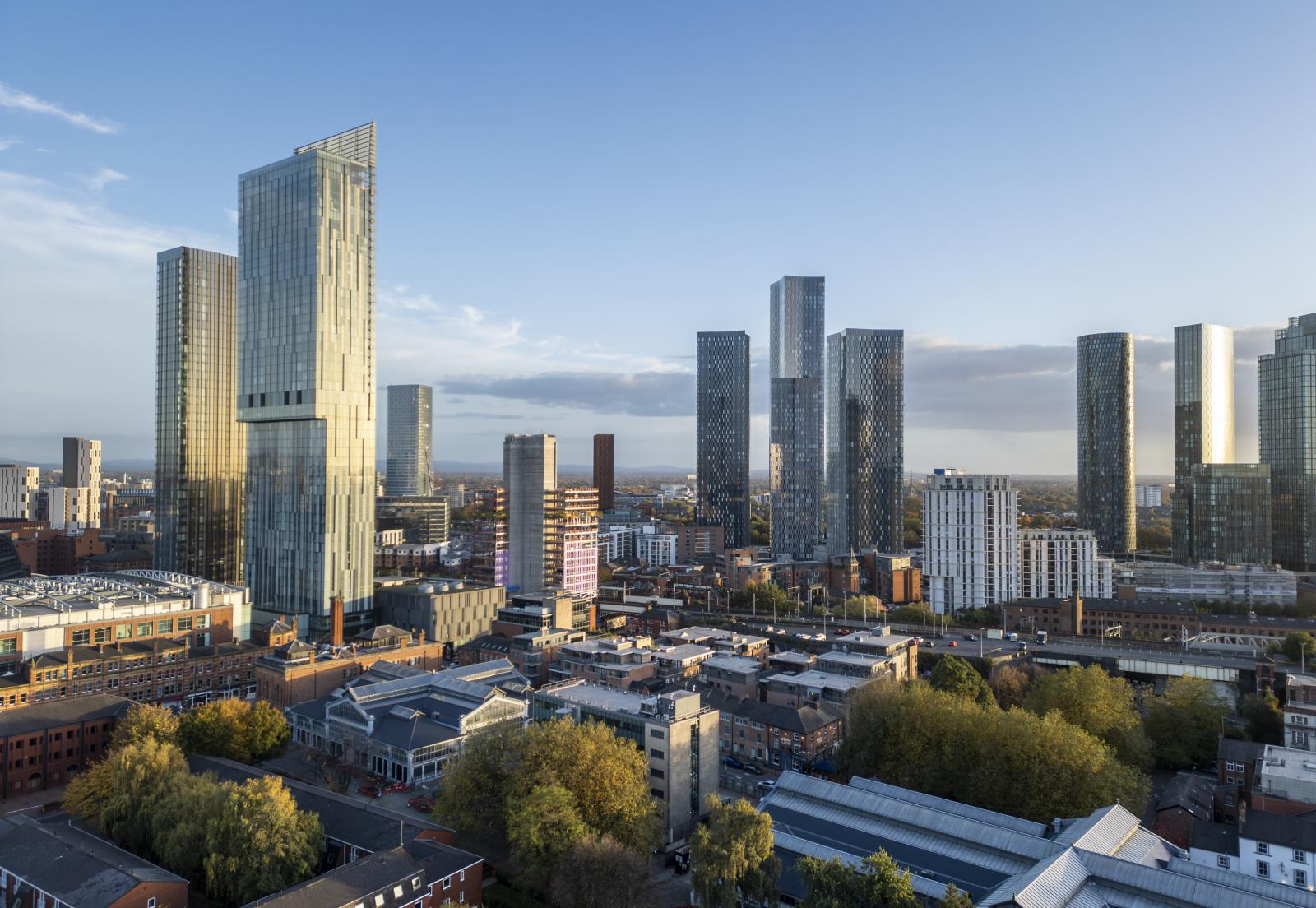
Based at Heron House in Manchester city centre, No10 North has been established as the Government's new command centre for economic growth and devolution. For the first time, local growth policy, devolution strategy and the key levers of regional economic development are being brought together under one roof.
The move is designed to ensure that decisions affecting the UK's economic future are no longer made exclusively in SW1. The Prime Minister is expected to work from No10 North every week, with other ministers also spending regular time at the new headquarters as part of the Government's commitment to decentralising power.
The launch coincided with the first meeting of the revived National Economic Council, chaired by the Prime Minister in Manchester on Friday. The council brings together senior ministers and regional mayors, placing devolution at the heart of the Government's plans to drive economic growth across the country.
Originally established in 2008 to coordinate the national response to an economic crisis, the National Economic Council has been revived to tackle today's growth challenges with the same sense of urgency and collaboration. The Government believes stronger coordination between Whitehall departments, local authorities and regional leaders is critical to boosting productivity, attracting investment and improving living standards.
Under the new arrangements, regional mayors will play a more influential role in shaping national economic policy, helping to ensure decisions are made with local communities rather than imposed upon them.
Prime Minister Andy Burnham said:
"For 40 years, power and resources have been sucked into the centre, and too many communities have felt forgotten, without the attention and investment they deserve.
"No 10 North will change that by putting more power into every postcode across the entire country.
"It will be the situation room for making Britain better - the place we use to get power out of Westminster, into the hands of people at a local level, so that they can turn things around.
"The days of Whitehall resisting devolution are over, for good."
A key objective of No10 North is to align the work of central government departments, combined authorities, regional mayors and businesses behind a shared strategy for economic growth.
Rather than operating through multiple competing programmes, the Government says the new structure will create a more coordinated approach to investment, infrastructure, skills and local development.
Alongside the launch of No10 North, the Government announced several measures aimed at supporting households, public transport users and local businesses:
- VAT will be removed from domestic electricity bills from 1 October, saving a typical household around £45 per year.
- The £2 bus fare cap across England will be introduced from January 2027.
- Pubs, social clubs and live music venues in England will receive a 20% reduction in business rates from April 2027, benefiting nearly 32,000 venues and delivering savings of around £1,100 annually for a typical pub, in addition to the existing 15% relief.
The creation of No10 North represents one of the most significant devolution reforms in recent years. For local authorities, combined authorities and regional public sector leaders, it signals greater influence over economic policy and investment decisions. The Government hopes the new model will accelerate growth, strengthen local accountability and reduce the concentration of power within Whitehall.
Image credit: iStock