

More than 4,000 Department for Work and Pensions (DWP) healthcare professionals have completed a key element of specialist training designed to transform how the benefits system supports autistic people and those with learning disabilities.
The milestone comes as Autism Awareness Month draws to a close and marks a significant step in the Government’s commitment to ensuring disabled people are understood, supported and treated with dignity across public services.
The programme is named after Oliver McGowan, a young man with autism and a learning disability who died in 2016 after being given antipsychotic medication against his and his family’s wishes.
Following a campaign led by Oliver’s family, the training was established to ensure professionals supporting autistic people and those with learning disabilities have the knowledge, skills and confidence to do so safely and appropriately.
A core focus of the training is addressing diagnostic overshadowing – where symptoms are wrongly attributed to a person’s disability rather than being properly investigated. By improving understanding, the training helps staff ensure individuals receive the right support at the right time, reducing the risk of missed needs and inappropriate decisions.
The training also equips staff with practical tools to make meaningful reasonable adjustments for autistic people and those with learning disabilities as they navigate the benefits system.
Examples include allowing more time for assessments to reduce anxiety and support clear communication, using simpler and clearer written communications, and helping Jobcentres create more sensory‑aware environments that feel manageable for people who may find noise or busy spaces overwhelming.
The aim is to create a system that adapts to people’s needs, rather than expecting individuals to adapt to rigid processes. The training forms part of a broader package of measures aimed at improving support for disabled people.
The Government has established an Independent Disability Advisory Panel, made up of ten experts with lived experience of disability and long‑term health conditions, to advise on the design and delivery of health and disability policy.
This panel is intended to ensure that policy decisions are informed by real‑world experience and reflect the diverse needs of disabled people.
Alongside the training, the Government is investing in wider support for autistic people and neurodivergent individuals.
Sir Stephen Timms, Minister for Social Security and Disability, commented:
“Oliver McGowan’s story is a powerful reminder of why services must understand the people they serve.
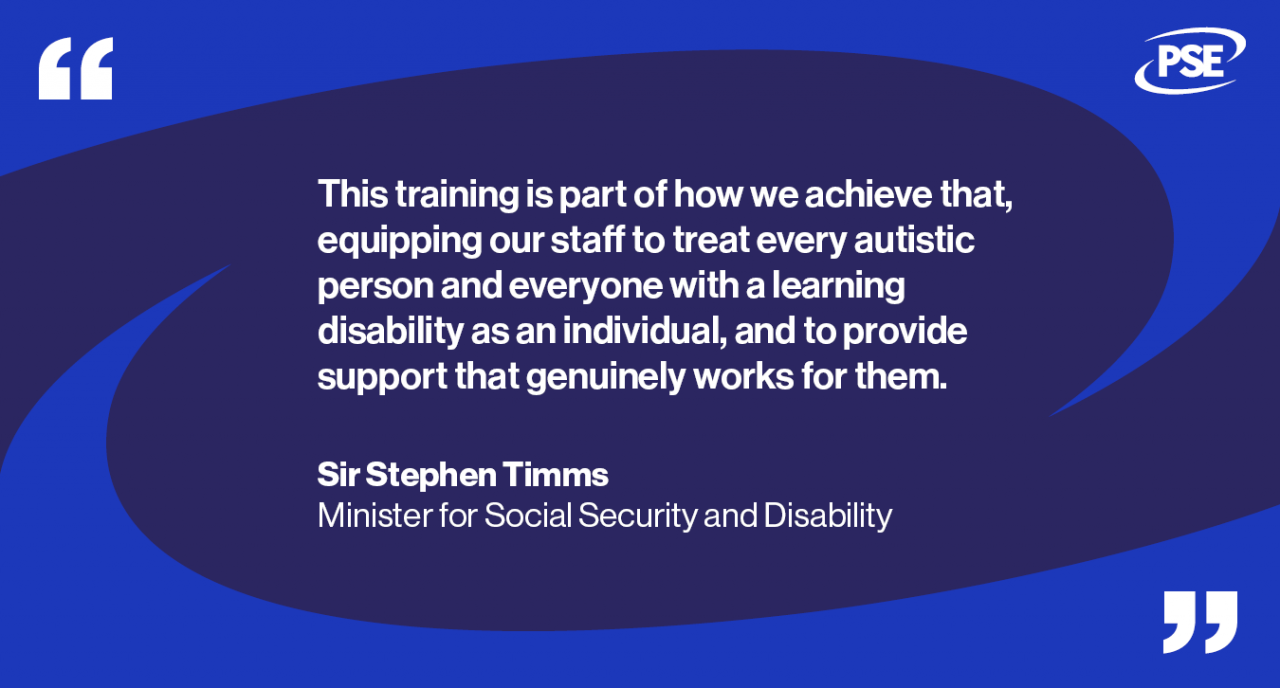
“This training is part of how we achieve that, equipping our staff to treat every autistic person and everyone with a learning disability as an individual, and to provide support that genuinely works for them.
“We’re determined to break down barriers for disabled people, and to put autistic people and those with learning disabilities at the very heart of our decisions and direction.
“I pay tribute to the hard and brave work of the McGowan family in Oliver’s memory.”
Earlier this year, DWP funded Acas to deliver free neurodivergence masterclasses for small and medium‑sized employers. More than 1,800 employer representatives have already taken part, helping organisations build confidence in recruiting and supporting neurodivergent staff.
The Government has also legislated to give benefit claimants the legal right to try work without the immediate risk of losing their benefits, a significant change designed to reduce fear and insecurity for neurodivergent people exploring employment.
In addition, an expert academic panel has examined the specific barriers neurodivergent people face in the workplace, with its recommendations currently under consideration.
Image credit: iStock