


London is facing a significant fall in demand for school places over the next four years, raising concerns about further school closures, reduced curriculum options and widening educational inequalities, according to a new London Councils report.
The latest School Capacity Survey data from all 32 boroughs shows a sustained decline in pupil numbers across both primary and secondary phases – with inner London experiencing the most severe reductions.
Between 2025/26 and 2029/30, London is forecast to see a 3.8% decline in demand for Year 7 places and a 2.5% decline in demand for reception places. Inner London faces far greater reductions, with 7.6% fall in Year 7 demand and a 6.4% fall in reception demand.
For the first time, the drop in demand for Year 7 places is greater than for reception, highlighting a shifting demographic trend with long-term implications for secondary education.
Because school funding is allocated per pupil, shrinking school rolls are expected to result in major financial losses. London Councils estimates £15 million loss in primary funding and £30 million loss in secondary funding.
These reductions come on top of five years of financial pressure that have already resulted in around 90 school closures or mergers across London.
Some schools have also been forced to reduce their Published Admission Numbers (PANs) to remain financially viable.
With tighter budgets, many schools are having to make difficult choices, including:
- Narrowing the curriculum
- Reducing subject options
- Cutting enrichment and extracurricular activities
- Limiting school trips
- Reducing teaching and support staffing
More than half of secondary school leaders in England have already reported cutting staff or limiting GCSE option choices due to financial pressures.
London Councils is calling on the government to ensure schools receive sustainable, adequate funding to maintain standards and meet pupils’ needs despite demographic shifts. Executive Member for Children and Young People Cllr Ian Edwards said:
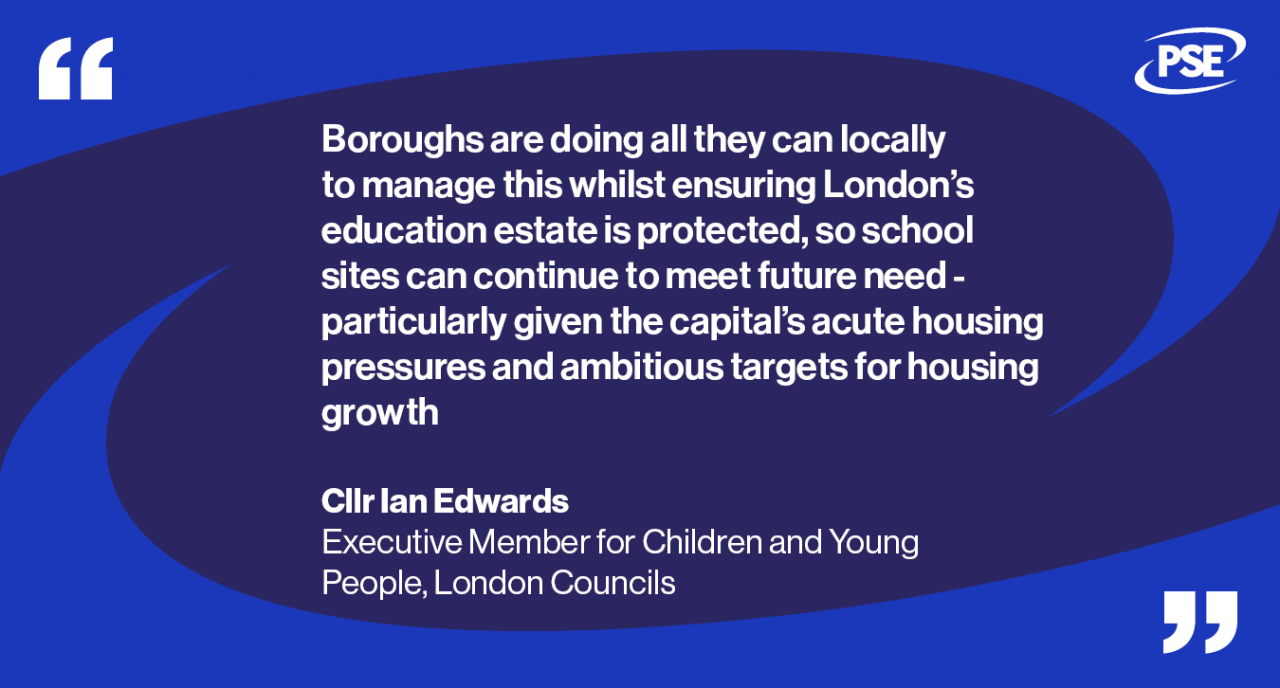
“Maintaining high education standards is the absolute priority for London’s boroughs, but falling pupil numbers are putting real pressure on school budgets. Boroughs are doing all they can locally to manage this whilst ensuring London’s education estate is protected, so school sites can continue to meet future need - particularly given the capital’s acute housing pressures and ambitious targets for housing growth.
“Without action to reflect London’s circumstances, schools risk having to narrow the curriculum and reduce vital support for pupils.”
They are urging ministers to work with London Councils and education partners to support the secondary sector specifically, focusing on maintaining a broad and balanced curriculum, sustaining enrichment opportunities, and protecting inclusive SEND provision.
The organisation warns that without targeted support, London risks losing school capacity, expertise and diversity at a time when many families rely heavily on strong local provision.
Image credit: iStock