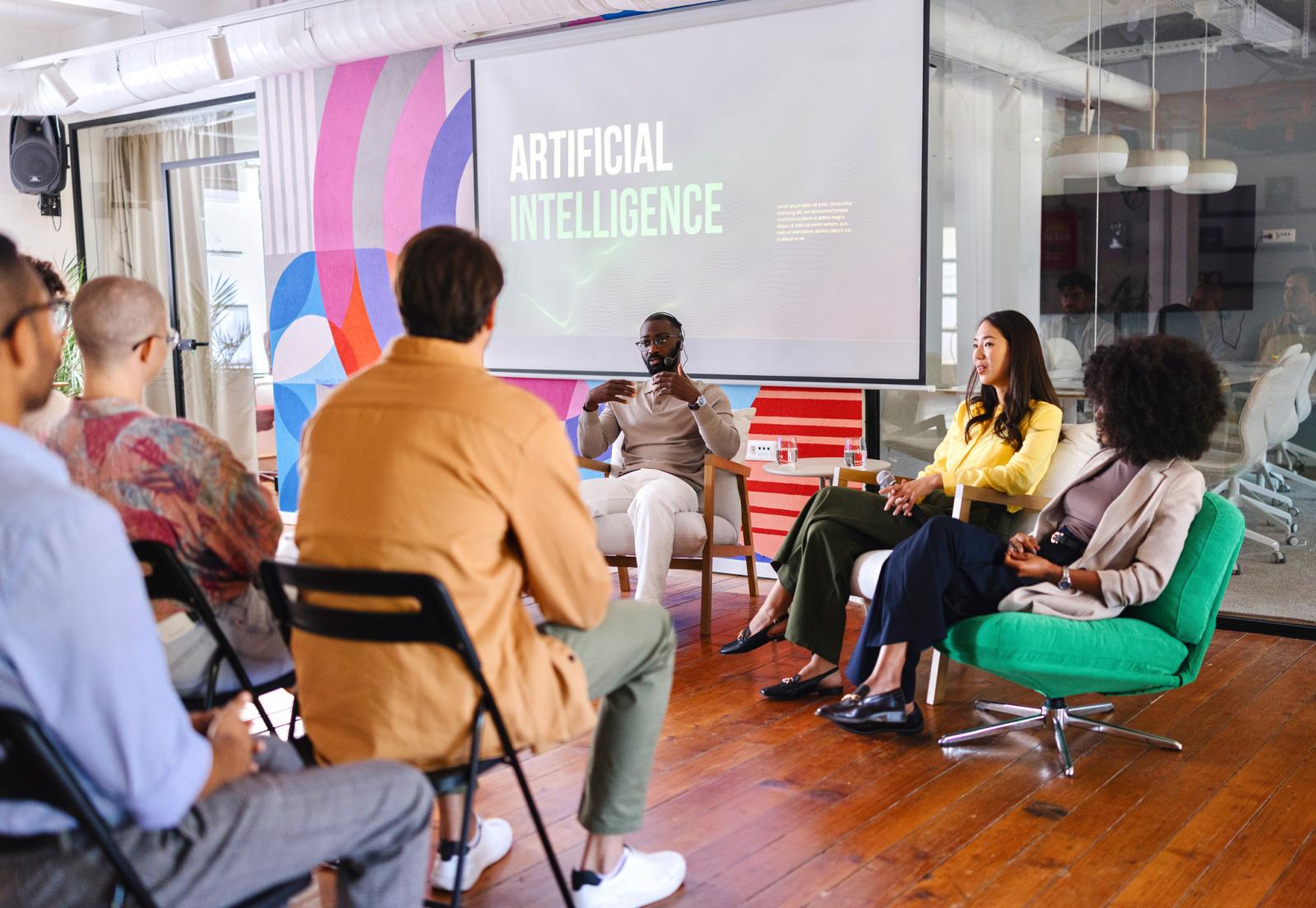

Every adult in the UK is now eligible to access free, benchmarked artificial intelligence training as part of a major national drive to upskill 10 million workers and make Britain the fastest‑adopting AI nation in the G7.
The government‑industry programme represents the most ambitious targeted training initiative since the founding of the Open University.
The newly expanded courses, available via the government’s AI Skills Hub, have been aligned with Skills England’s AI foundation skills for work benchmark. Adults who complete the modules – some of which take under 20 minutes – will receive a virtual “AI Foundations” badge, confirming their ability to confidently use simple AI tools in the workplace.
Designed to improve digital confidence and productivity, the courses cover practical skills such as using AI to draft text, generate content, and automate administrative tasks. The programme aims to help workers and employers free up time, focus on higher‑value activities, and prepare for an economy increasingly shaped by AI innovation.
Government estimates indicate that widespread adoption of AI could unlock up to £140 billion in annual economic output, strengthening national productivity and supporting the UK’s plans for economic renewal.
The initiative has already delivered one million courses since June, with NHS staff, local government workers, and small‑business employees among those expected to benefit from the next phase. With major public and private sector partners now onboard, the government has increased its ambition to reach 10 million workers this decade, equivalent to almost one‑third of the UK workforce.
This includes at least 2 million SME workers, addressing gaps revealed by recent research showing:
- Only 21% of UK workers feel confident using AI at work
- Just 1 in 6 businesses had adopted AI by mid‑2025
- Micro businesses are 45% less likely to use AI compared with large firms
Recognising the profound impact AI will have on workplaces, the Technology Secretary has also announced a new AI and the Future of Work Unit. Supported by experts from business and trade unions, the unit will:
- Analyse AI’s effects on jobs and the labour market
- Advise government on when new policies are required
- Help prevent communities from experiencing the negative consequences of past industrial transitions
- Ensure workers are supported into higher‑quality roles
Its mission is to secure a fair, inclusive and economically beneficial transition as AI adoption accelerates.
Secretary of State for Technology, Liz Kendall, said:
“We want AI to work for Britain, and that means ensuring Britons can work with AI.
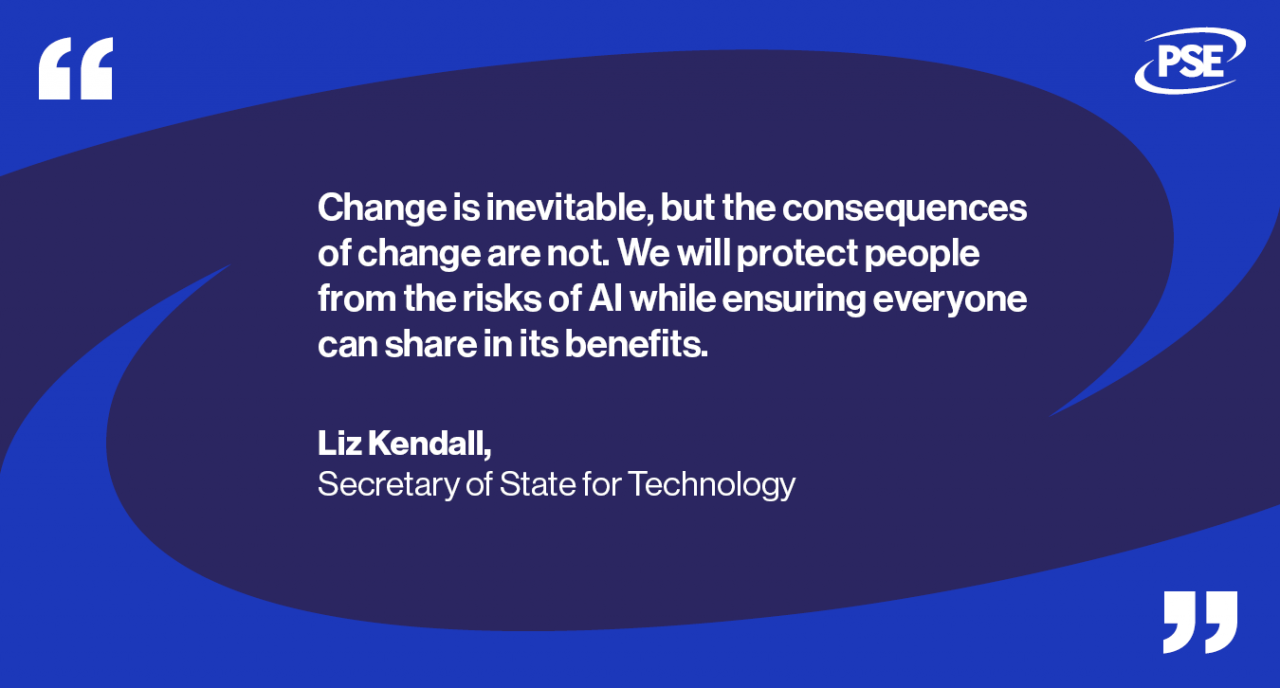
“Change is inevitable, but the consequences of change are not. We will protect people from the risks of AI while ensuring everyone can share in its benefits.
“That starts with giving people the skills and confidence they need to seize the opportunities AI brings, putting the power and control into their hands.”
The Technology Secretary also confirmed:
- £27 million in new funding to launch the government’s TechLocal scheme, part of the £187 million TechFirst programme, supporting up to 1,000 new tech jobs and expanding access to AI training, professional practice courses, and traineeships in local communities.
- The launch of applications for the Spärck AI Scholarship at nine UK universities, offering up to 100 AI and STEM Master’s students tuition support, living‑cost coverage, industry placements, and mentorship.
These initiatives complement the government’s wider Skills for Life digital skills campaign, which provides access to thousands of free or subsidised courses for developing essential digital capabilities.
To highlight the impact of the training programme, Secretary of State Liz Kendall visited a Google Digital Garage session in London on Monday 26th January, speaking with participants benefitting from new AI skills in both their personal and professional lives.
As the UK accelerates its AI transformation, the government insists that upskilling must be at the heart of national growth – ensuring workers, employers and communities can take full advantage of the opportunities ahead.
Image credit: iStock