
Gloucestershire is stepping up to lead nature recovery, with the County Council unveiling a county‑wide Local Nature Recovery Strategy that pinpoints exactly where action will have the greatest impact.
Using an online interactive map, the strategy directs habitat restoration and nature‑positive land management to the places that will deliver the most benefit – from river catchments and woodlands to meadows, wetlands and urban green spaces.
With the UK among the most nature‑depleted countries in the world, and with legally binding commitments to halt and reverse biodiversity decline, Gloucestershire’s LNRS provides a targeted, co‑ordinated and collaborative plan to drive measurable improvements in nature, climate resilience and community wellbeing.
At the heart of the strategy is a spatial, map‑based approach that identifies priority areas for nature recovery across the county. By showing where interventions will deliver the greatest ecological gains – such as creating wildlife corridors, expanding species‑rich grasslands, restoring rivers and wetlands, and enhancing urban nature – the LNRS gives partners a clear and consistent framework for action.
This spatial focus will guide investment, align projects, and help land managers, planners and communities make evidence‑led decisions that add up to landscape‑scale recovery.
The LNRS is designed to support:
- Strategic planners and decision‑makers – integrating nature recovery into plan‑making and development management.
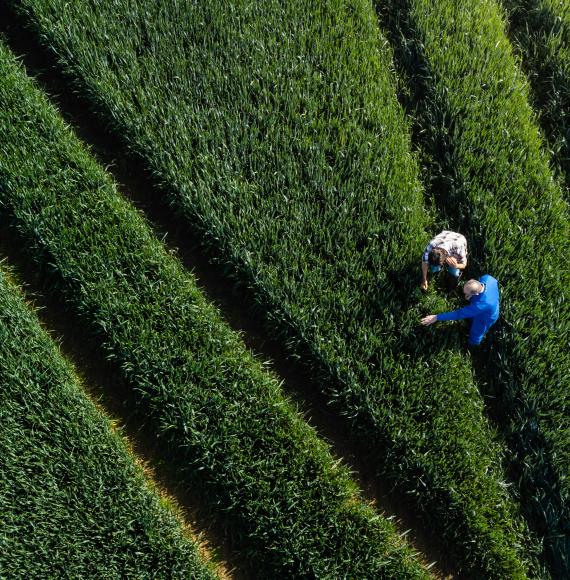
- Farmers and landowners – highlighting priority areas for sustainable land management, diversification and nature‑based solutions.
- Parish councils, charities and local groups – providing a shared map, resources and priorities to coordinate local action.
Its aims include making places more wildlife‑friendly, connecting fragmented habitats, improving rivers and water quality, and greening towns and villages – while encouraging strong community involvement in nature‑based projects.
Over the past year, residents, local groups, landowners, experts and businesses contributed hundreds of responses to help shape the LNRS. This extensive engagement ensured the strategy reflects Gloucestershire’s priorities and aspirations, building a shared vision that everyone can support – from farm clusters and nature charities to schools, youth groups and parish forums.
With dedicated funding secured, the county council has appointed a delivery officer to champion the LNRS and coordinate its rollout. This investment will help embed the strategy across the council’s work, forge robust delivery partnerships, and support local initiatives that contribute directly to county‑wide goals.
The immediate priorities include:
- Launching the strategy online, with the interactive map and tools for stakeholders.
- Sharing practical resources to help partners design and deliver projects in priority areas.
- Engaging delivery partners across public, private and community sectors.
- Integrating the LNRS into the planning system, so areas with the greatest potential for nature recovery are reflected in growth plans and planning decisions.
This alignment will help ensure new development contributes to bigger, better‑connected habitats, climate adaptation and high‑quality green infrastructure.
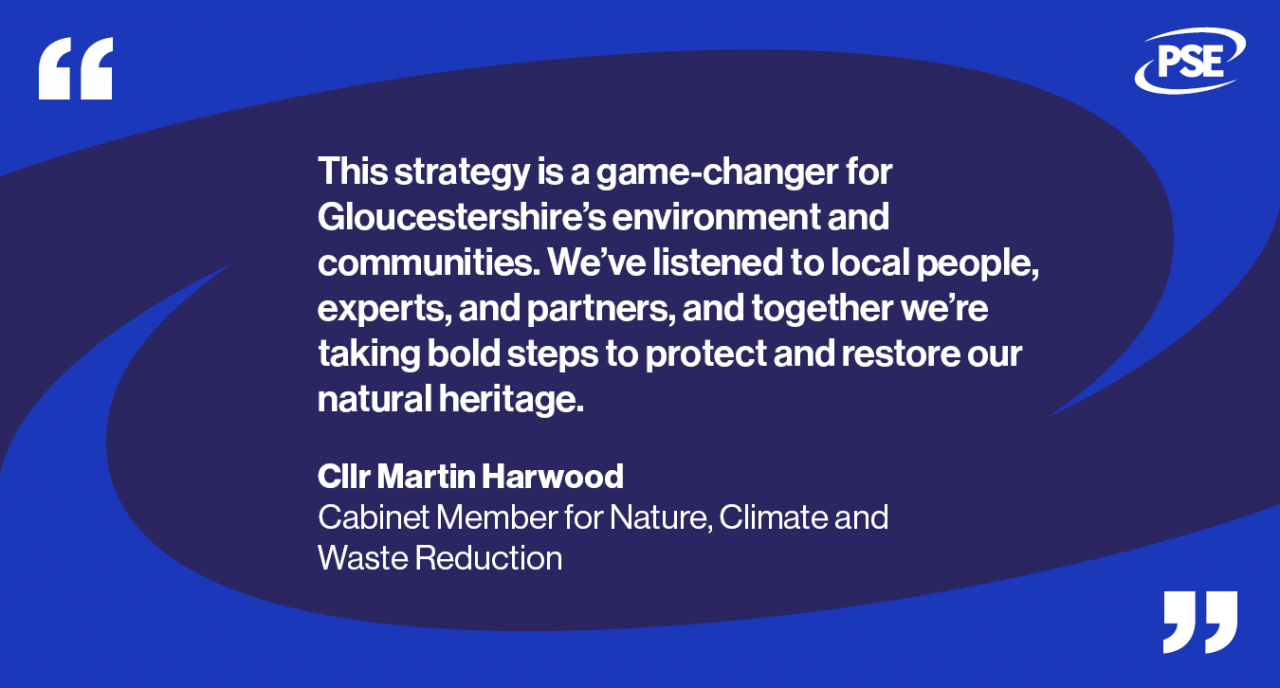
Gloucestershire’s Cabinet Member for Nature, Climate and Waste Reduction, Cllr Martin Harwood, said:
“This strategy is a game-changer for Gloucestershire’s environment and communities. We’ve listened to local people, experts, and partners, and together we’re taking bold steps to protect and restore our natural heritage. I encourage everyone to visit our website in February, discover the strategy, and join us on this exciting journey.”
The LNRS promises cleaner air and water, richer wildlife, and more accessible green spaces for everyone. Healthier nature supports mental and physical wellbeing, offers places for families to explore, and strengthens climate resilience through flood mitigation, shade, cooling and carbon sequestration.
Image credit: iStock