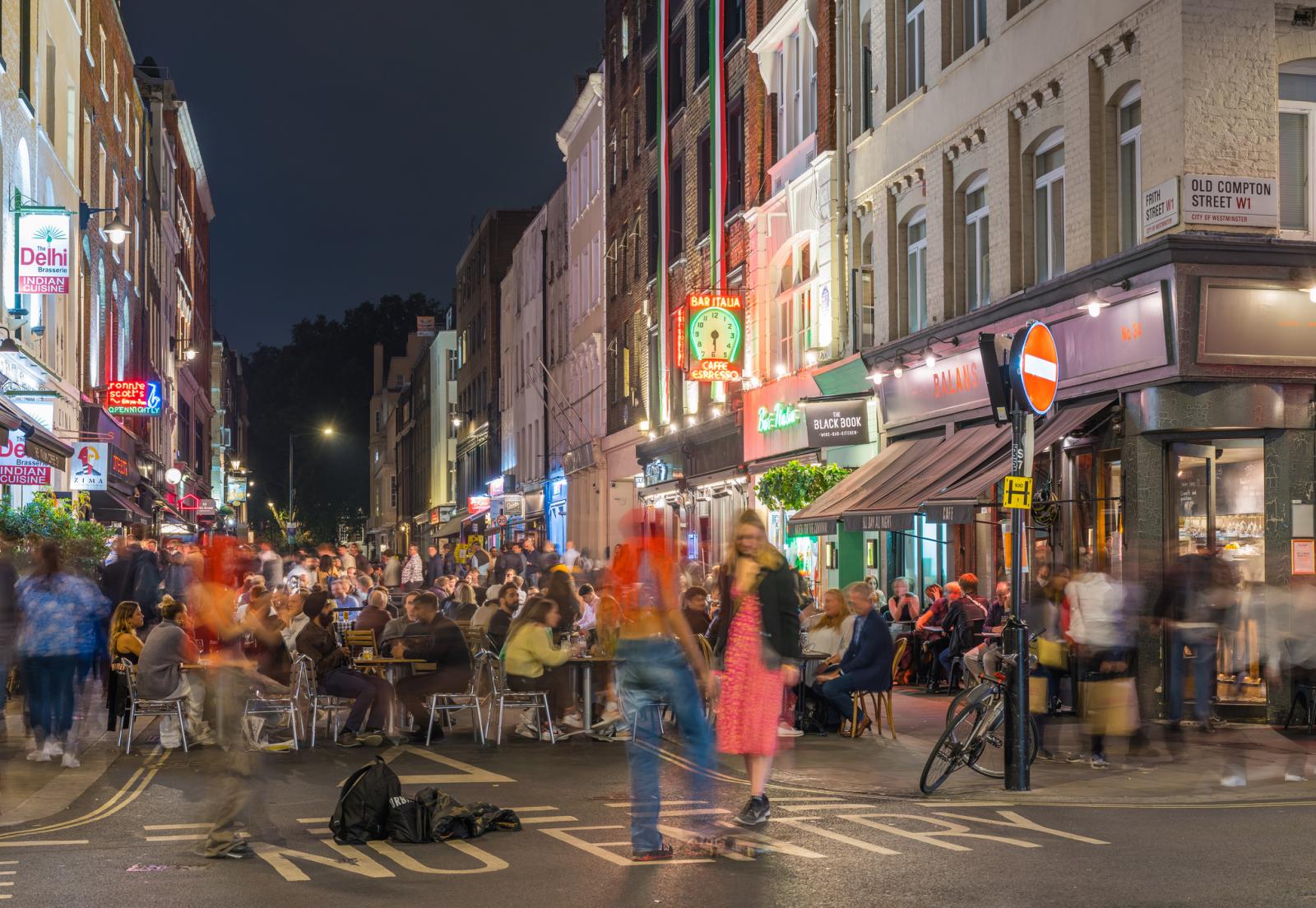

London’s nightlife is set for major reform and renewed growth following the publication of a landmark report by the capital’s independent Nightlife Taskforce, welcomed by the Mayor of London.
The industry‑led report is the most comprehensive evidence‑based assessment of London’s nightlife ever produced, setting out the scale, value and challenges of the night‑time economy. It makes 23 recommendations across 10 key areas aimed at protecting, supporting and growing nightlife across the capital.
Drawing on new research, data analysis and the views of nearly 3,000 Londoners, the report highlights that London’s night‑time economy:
- Contributes over £139 billion to the capital each year
- Supports more than one million night‑time workers
- Plays a critical role in tourism, local economies and community connection
The Taskforce also shows how nightlife has evolved beyond traditional venues to include a wide range of cultural, social and community activity taking place across London between 6pm and 6am.
A central recommendation is the introduction of a new London‑wide licensing standard to modernise licensing and planning processes. The Taskforce argues that current frameworks are outdated, inconsistent and place an unnecessary burden on businesses.
A single, clear standard would simplify applications, improve consistency in decision‑making and better recognise the economic, cultural and social value of nightlife.
Later this year, Mayor Sadiq Khan is set to receive new licensing powers from Government, allowing him to “call in” licensing applications of strategic importance, including those affecting major nightlife venues and proposals to support al fresco dining.
The report also recommends establishing a new, independent Nightlife Commission to act as a unified voice for the sector and champion delivery of the recommendations.
The Mayor has announced £300,000 in UK Shared Prosperity Funding to help establish the industry‑led Commission as a self‑funded organisation. Launching later this year, it will bring together nightlife workers and businesses to work in partnership with City Hall, councils and the police to support the development of London’s nightlife.
Other headline recommendations from the Nightlife Taskforce include:
- Recognising nightlife as culture, widening access to national cultural funding
- Supporting small nightlife businesses through business rates relief and a reduced VAT rate
- Creating a Nightlife Future Fund to back innovative projects, particularly from underrepresented communities
- Improving access to space, including temporary venues and a central database of vacant properties
- Planning for a truly 24‑hour city, with better infrastructure and high‑street use after 6pm
- Aligning night‑time transport with changing demand and re‑establishing the Late Night Transport Working Group
- Rethinking night‑time sound management, including noise monitoring technology and stronger protections for venues
- Creating safer nights through partnership working, proportionate policing and harm‑reduction approaches
Sadiq Khan, Mayor of London, commented:
“London’s independent Nightlife Taskforce has put together the most detailed picture we’ve ever had of the challenges and opportunities facing our capital at night. Our night time economy supports more than a million jobs, contributes more than £139bn to our economy and brings communities together, but action is needed to ensure that it can be a thriving part of life in our city for many years to come.
“The taskforce’s recommendations set out a bold future for our life at night and I’m committed to working with partners to do all I can to support this. This includes receiving new licensing powers from the Government soon that will help us to unlock the potential of our capital’s nightlife, as we build a better London for everyone.”
The Nightlife Taskforce was established by the Mayor in February 2025 in response to mounting pressures on the sector, including the cost‑of‑living crisis, rising operating costs, staffing shortages, changing consumer habits and licensing challenges.
Image credit: iStock