


More than 325,000 people living in supported housing and temporary accommodation will be better off when they increase their working hours, following a major change to Housing Benefit rules that came into force today.
The reform addresses a long-standing issue that meant some residents were financially penalised for taking on additional work or increasing their earnings.
Under the previous system, inherited by the current Government, many people living in supported housing and temporary accommodation received support for everyday living costs through Universal Credit, while their housing costs continued to be covered separately through Housing Benefit.
However, the two benefits operated under different earnings rules. Housing Benefit was withdrawn more quickly as income increased, meaning some people saw their support reduced at a faster rate than those receiving their assistance entirely through Universal Credit.
As a result, some residents found themselves financially worse off after increasing their hours or moving into employment. The risk of losing housing support created a significant barrier to work, limiting opportunities for people seeking greater financial independence.
The Government says the new regulations will remove that "cliff edge" by aligning Housing Benefit calculations with Universal Credit rules. Officials believe the move will strengthen incentives to work and ensure residents benefit more directly from any increase in earnings.
The changes are expected to benefit more than 325,000 people living in supported housing and temporary accommodation, including almost 50,000 young people entering the workforce.
Prime Minister Andy Burnham said:
“People should never have to choose between keeping a roof over their head or being able to work. But the system has been rigged against some of the very people trying their hardest to get on, particularly young people starting out, who are being left worse off for earning more.
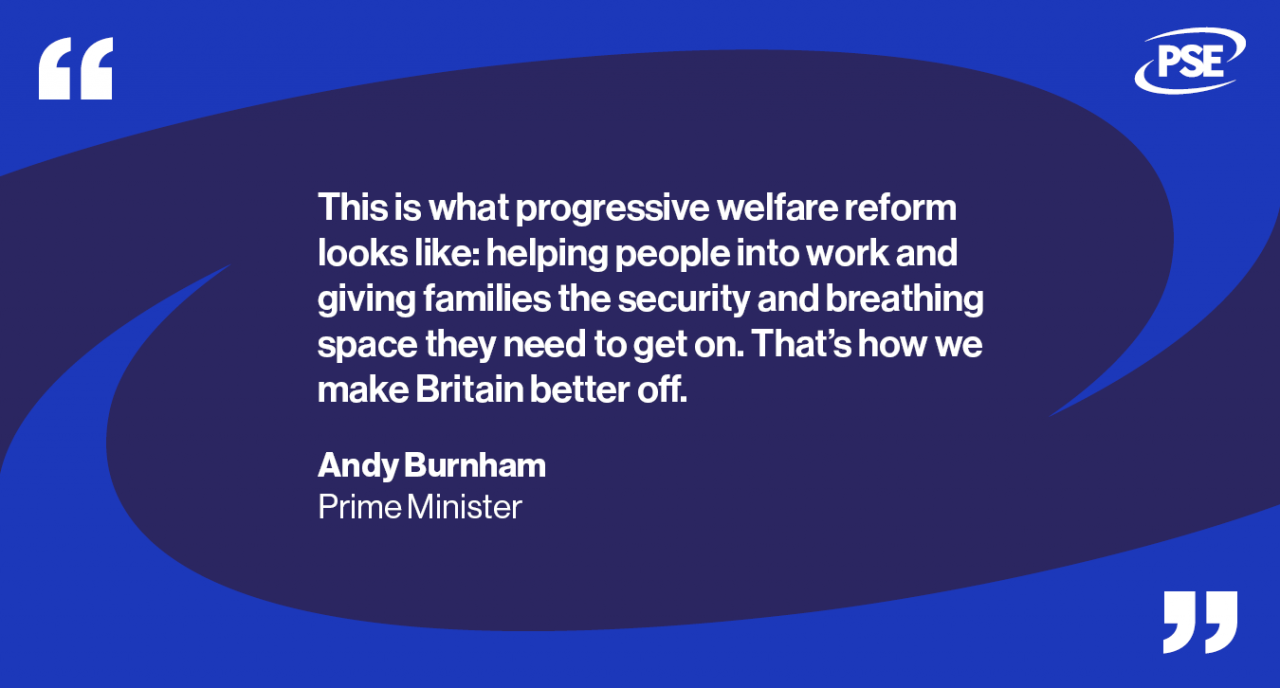
“We’re putting that right through a common-sense change that will help people keep more of what they earn. This is what progressive welfare reform looks like: helping people into work and giving families the security and breathing space they need to get on. That’s how we make Britain better off.”
The changes form part of the Government's wider strategy to increase workforce participation and reduce barriers to employment.
Ministers argue that previous welfare arrangements sometimes discouraged people from accepting work or increasing their hours. Alongside today's Housing Benefit reforms, the Government has introduced several measures aimed at supporting disabled people and those with health conditions into employment.
These include changes to Universal Credit designed to strengthen work incentives, the introduction of the Right to Try initiative, and a £3.5 billion investment in employment support programmes for sick and disabled people.
The Government says this funding will provide tailored support through the Connect to Work programme, with the aim of helping 300,000 people move into employment.
For housing providers, local authorities and supported accommodation operators, the reforms are likely to be welcomed as a practical step towards improving employment outcomes for residents while reducing dependency on welfare support.
Image credit: iStock