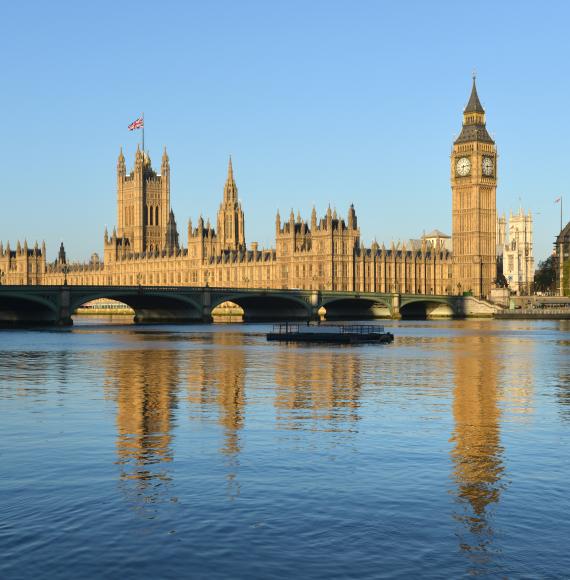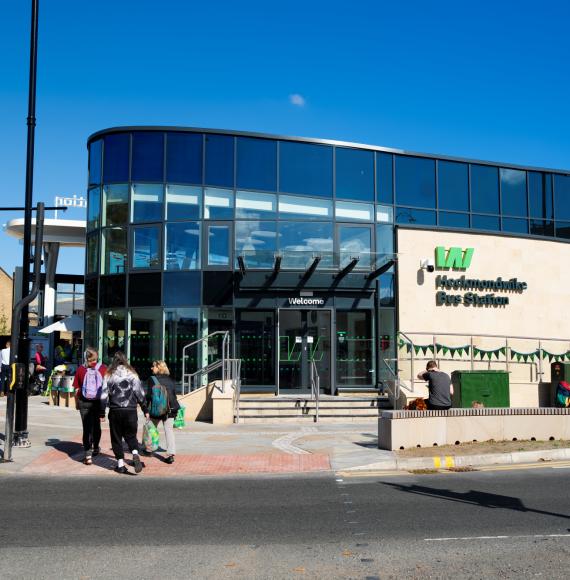
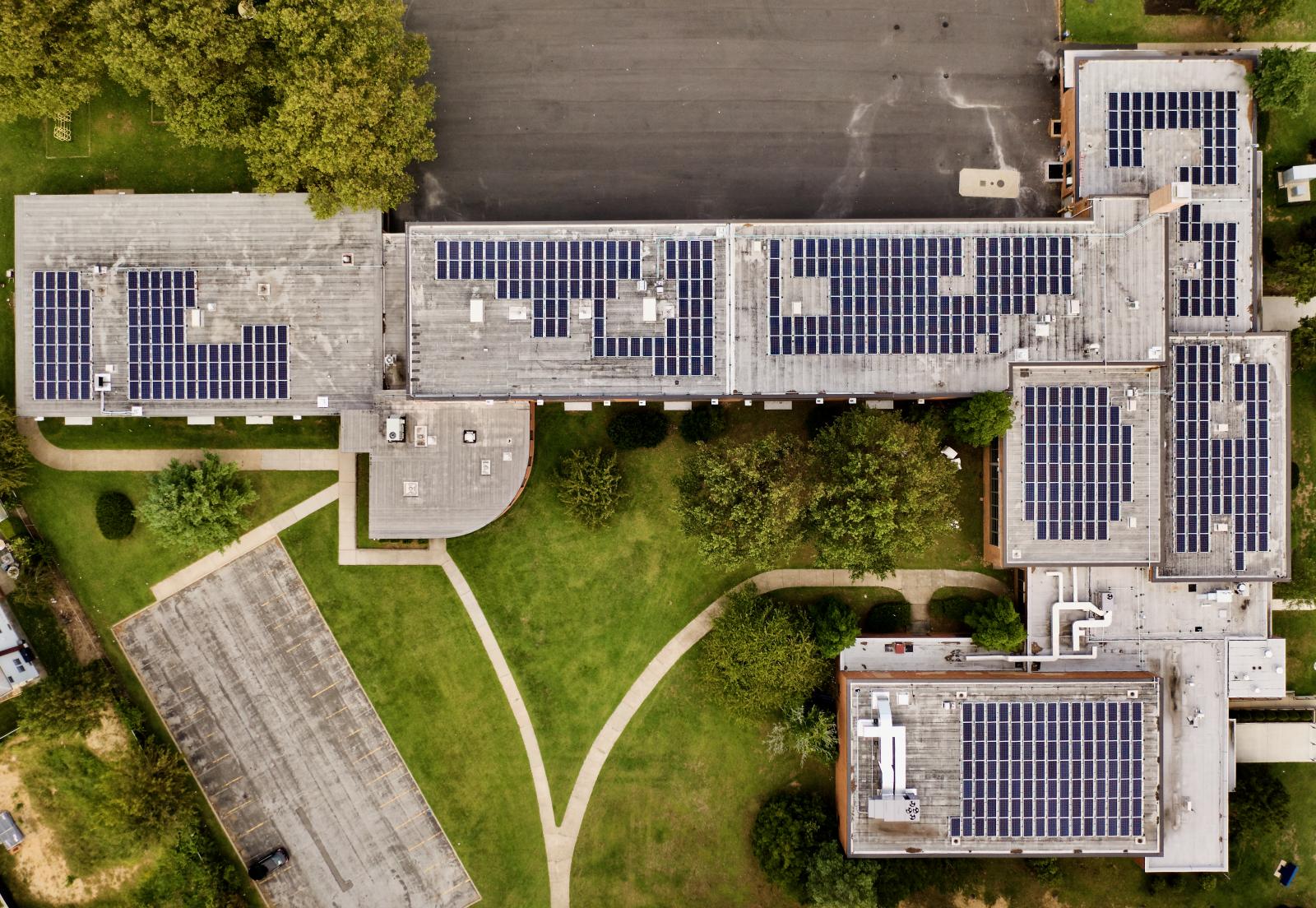
Schools, hospitals, council offices, and other public buildings come with a unique opportunity. Buildings like these typically feature large, flat roofs with plenty of space. As a result, they are prime candidates for commercial solar installations.
If public bodies start approaching solar power as a full estate investment strategy rather than isolated sustainability projects, it could become a major source of solar power for the UK government, who are seeking to deliver up to 10 gigawatts of clean generation capacity on the public estate.
With that in mind, let’s explore in more detail how the government should approach public estate solar power.
Identify Suitable Buildings
Not all buildings can withstand the weight of PV systems, while others may not have an adequate amount of unobstructed space. Listed buildings can also be problematic, as alterations such as these require additional planning consent. Because of this, it’s important that the first step is to identify which buildings are actually suitable for solar panel installations.
Assess Energy Demand
Some buildings may generate more electricity than the site can consume, therefore grid connection and export capacity should be assessed. Additionally, buildings with a higher evening or nighttime energy demand may still need to purchase primarily from the grid.
As a result, buildings with high daytime energy demands should be the priority, as these are the ones that are likely to benefit the most, both environmentally and financially.
Develop A Long-Term Solar Deployment Strategy
Instead of approaching installations on a case-by-case basis, public bodies should identify the suitable buildings across their entire estate. This will allow them to work at scale and make installations more efficient and cost-effective, which should help to bring the payback period down.
Solar Investments Can Be Challenging
Investing in commercial solar panels isn’t always a straightforward process. For instance, solar array sizing needs to match the building’s electricity demand and expected on-site consumption, and existing electrical infrastructure needs to be coordinated with the proposed PV system.
It’s not just the technical or logistical aspect that can be a barrier either - the upfront cost of solar panels can be high. Implementing solar panels across multiple public sector buildings requires a significant investment from the government.
Is Solar Power Really Worth it For the Public Sector?
Generating electricity on-site has the potential to save substantial amounts of money, reduce carbon emissions and environmental impact, increase energy independence, and improve reputation.
For the public sector, one of the most important benefits is the potential long-term cost savings. Government budgets are being stretched thin and, unfortunately, cutting costs can limit an organisation’s ability to provide the level of service that the public expects. Because of this, it’s important that businesses use their budget strategically and cut down on spending where possible.
Saving money by reducing the amount of energy purchased from the grid can give organisations the chance to spend more on improving their offering and better serving their community.