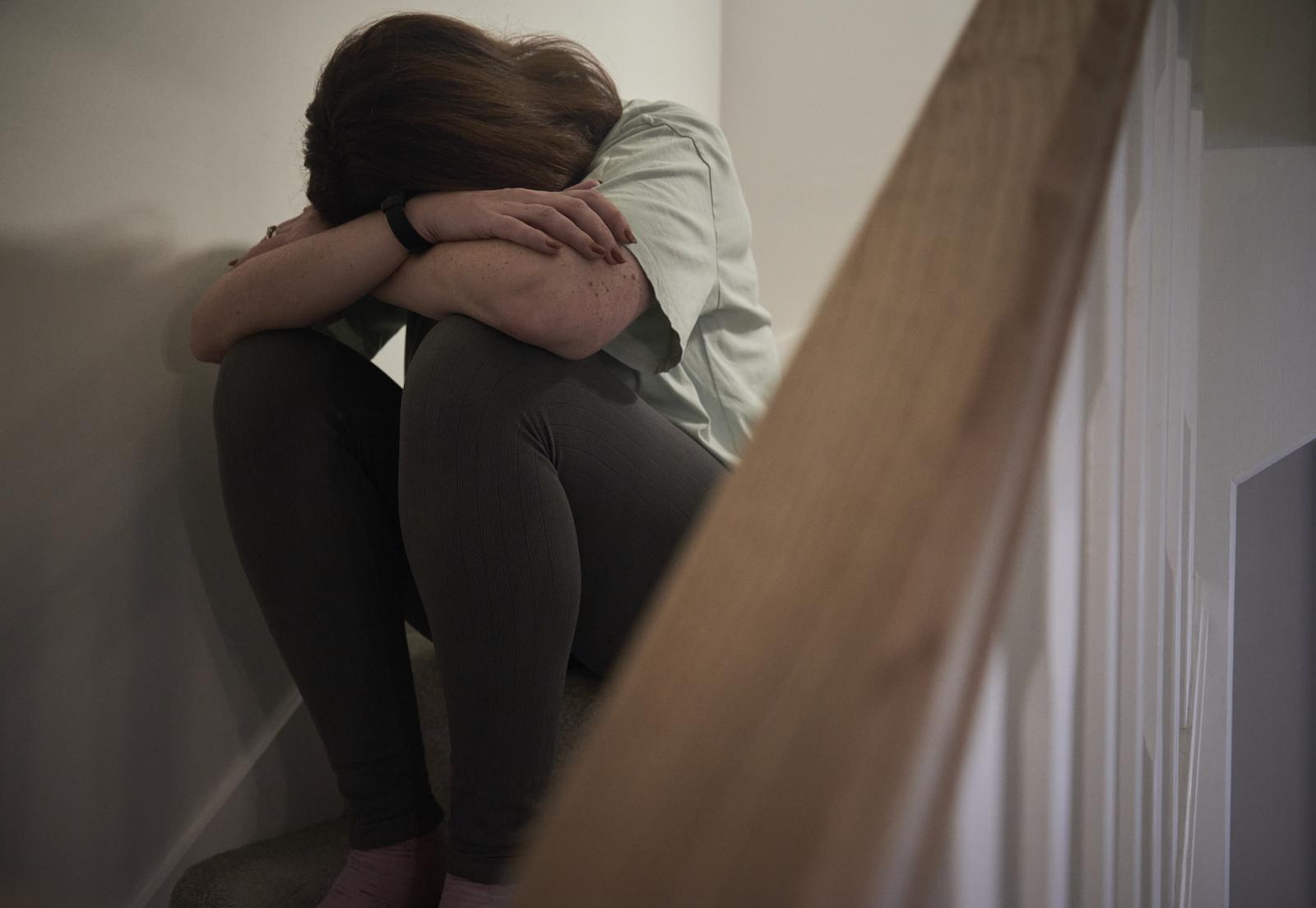

Domestic abuse survivors in Scotland are set to receive stronger financial protections under planned reforms to council tax debt rules, the Scottish Government has announced.
The reforms aim to prevent survivors from being unfairly held responsible for debts accrued during abusive relationships, particularly where financial control and coercion have played a role.
As part of the changes, the Scottish Government will launch a consultation on introducing a statutory exception to the current joint and several liability rules for council tax and water and sewerage charges. If implemented, eligible survivors would only be liable for 50% of any outstanding debt. They would also have the opportunity to seek assistance from their local authority to reduce or potentially eliminate their remaining liability.
The move forms part of a broader package of council tax reform designed to offer greater protections and fairness for residents across Scotland.
From 1 April 2027, all council taxpayers will benefit from a new 63-day grace period after missing a council tax payment before enforcement action can begin. The Government says this will provide households with more time to seek advice, make arrangements and avoid escalating debt issues.
The consultation will also examine several additional reforms, including:
- Improvements to council tax administration and enforcement processes
- More flexible rules governing the backdating of council tax reductions
- Potential changes to the twenty-year debt prescription period
Scottish Deputy First Minister Jenny Gilruth said:
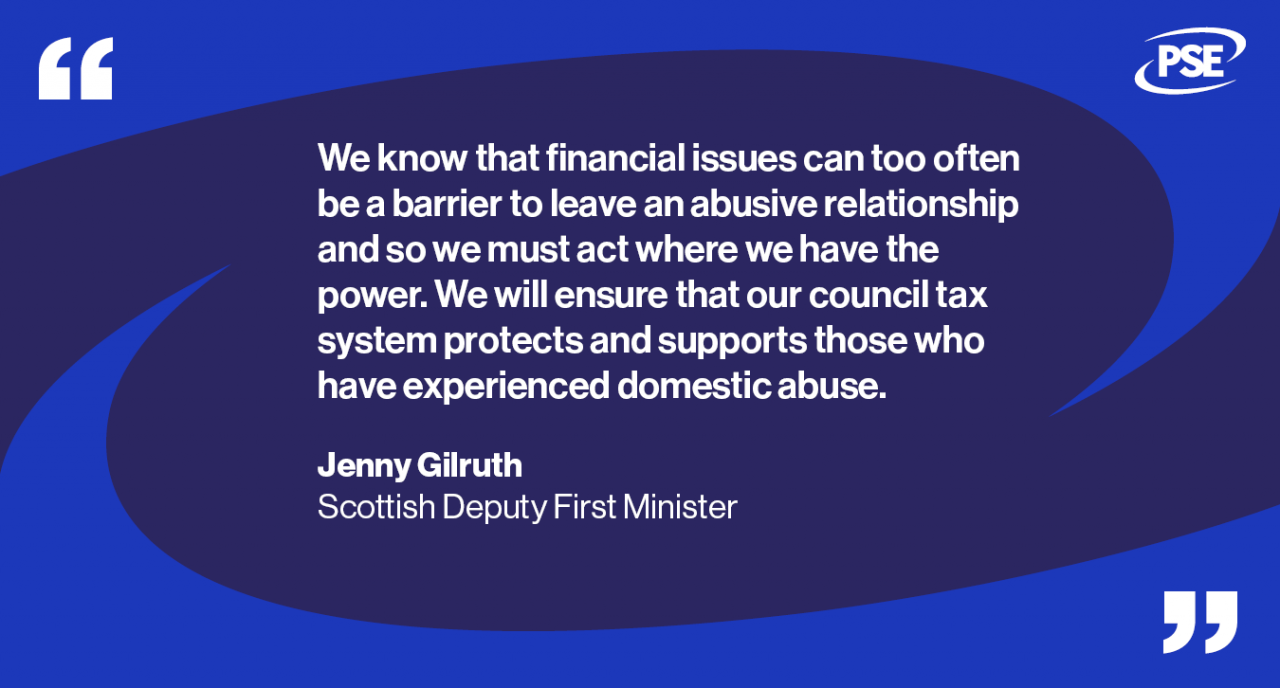
“This government is taking action to tackle the epidemic of violence against women and girls. We know that financial issues can too often be a barrier to leave an abusive relationship and so we must act where we have the power. We will ensure that our council tax system protects and supports those who have experienced domestic abuse.
“Controlling a person’s finances, building up debt in their name without their knowledge, or forcing them to take on debt through threats or coercion are all forms of abuse.
“This package of reforms will ensure women are not unfairly burdened by council tax debt, and prevent women being tied to men who abuse them by a debt to the state.”
Domestic abuse charities have welcomed the proposed changes, highlighting the long-term financial impact that economic abuse can have on survivors.
Dr Marsha Scott, CEO of Scottish Women’s Aid, said:
“We welcome the Scottish Government’s commitment to introducing a statutory exception from joint and several liability for council tax. Women experiencing domestic abuse can be left facing debts they knew nothing about because of an abusive partner’s financial control. This financial abuse can leave women facing significant debt and hardship, making it harder to leave the abusive partner and rebuild their lives. This change is a step towards reducing women’s liability for debt that is not their own.”
Financial abuse is increasingly recognised as a key element of domestic abuse, with perpetrators often using debt, restricted access to money, and coercive financial control to maintain power over victims.
The proposed council tax changes are intended to reduce the risk of survivors facing long-term financial hardship after leaving abusive relationships, while providing local authorities with greater flexibility to offer support where it is needed most.
For councils, the reforms will require changes to debt recovery processes and may lead to increased engagement with support services and hardship schemes. However, campaigners argue the measures represent an important step towards a fairer and more trauma-informed approach to public sector debt collection.
Image credit: iStock