
A major milestone has been reached in the development of what could become the world's largest tidal power scheme, with a preferred alignment corridor on the River Mersey now identified between Bromborough and Otterspool.
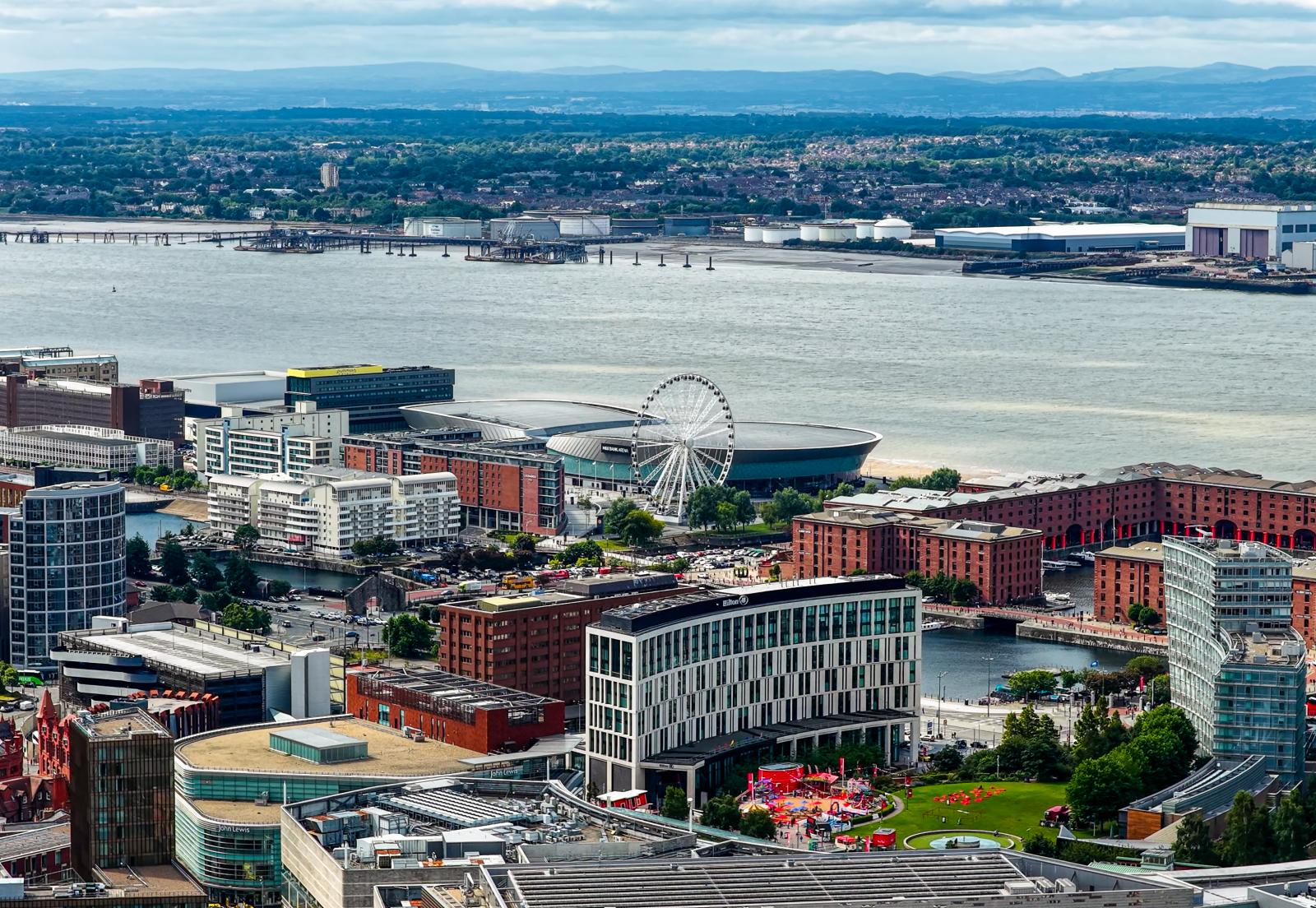
The proposed development zone covers a 1.5-mile stretch of the River Mersey, spanning both the Liverpool and Wirral waterfronts. The recommendation will be presented to the Liverpool City Region Combined Authority for approval at its meeting on 6 November, allowing the ambitious project to advance into its next phase of engineering, environmental and commercial development.
If approved, the decision will pave the way for further work towards a future Development Consent Order (DCO) application, a key stage in the delivery of nationally significant infrastructure projects.
The preferred corridor was selected following extensive engagement with stakeholders and a detailed technical assessment of potential options. The review also concluded that future design work should focus on refining the barrage's relationship with navigation channels and exploring lock-based solutions to maintain river access.
Importantly, no construction activity will begin until planning consent is secured through a DCO and a Final Investment Decision is taken.
Mayor Steve Rotheram described the announcement as a significant moment for the region:
“For as long as I can remember, people have talked about harnessing the power of the River Mersey. Identifying where the barrage could be built is a major step forward for a project that has the potential to be genuinely transformational – not just for our region, but for the country.
“At a time when events around the world can send energy prices soaring, we need to make better use of the resources we have on our own doorstep. We should be generating more of our own energy, strengthening our energy security and creating good jobs here at home.
“The Mersey has one of the biggest tidal ranges in the country and we have the industrial expertise and the ambition to help do something genuinely world-leading. And with the potential to protect homes and businesses from rising sea levels too, this could be an investment in our region's future that our children, grandchildren and generations beyond them could still be benefiting from a century from now."
The Combined Authority is planning a second round of public engagement in late 2027 or early 2028, offering residents, businesses and stakeholders another opportunity to influence the design and delivery of the scheme.
The first consultation, held during 2024, attracted more than 3,000 responses. According to project leaders, 84% of respondents supported the tidal power proposal, while 92% backed the need for increased renewable energy generation across the Liverpool City Region.
Alongside the preferred route announcement, the Combined Authority is also expected to consider adopting a Regulated Asset Base (RAB) funding model as its preferred financing mechanism.
Widely used to support major infrastructure projects, including nuclear energy, water and transport schemes, the RAB model allows developers to recover a proportion of project costs during construction. Advocates argue this can reduce financing costs, lower risk and provide longer-term certainty for investors.
The Mersey Tidal Power Project aims to generate up to 1 gigawatt of renewable electricity, enough to make it the largest tidal range power plant globally. The scheme is expected to operate for around 120 years and create thousands of jobs throughout both its construction and operational phases.
The River Mersey's tidal range of up to 10 metres, the second highest in the UK, combined with the estuary's unique geography, makes it particularly suitable for tidal energy generation through a barrage system.
Earlier this year, the Combined Authority confirmed the project would be developed as a dual-purpose infrastructure scheme. Alongside clean energy production, the barrage would help protect homes, businesses and critical infrastructure from the growing threat of sea-level rise.
Current projections indicate the scheme could help safeguard the Liverpool City Region against sea-level increases of between 0.8 and 1.2 metres by 2150, while delivering long-term energy security and climate resilience benefits.
The Mersey Tidal Power Project is currently in Phase 4 of development and has been classified as a Nationally Significant Infrastructure Project under the Planning Act 2008. Work underway includes environmental assessments, engineering design and preparation for a future DCO submission.
While a Final Investment Decision is now anticipated in 2030, regional leaders continue to work with government and industry partners to accelerate progress wherever possible.
Image credit: iStock