
The Prime Minister has unveiled sweeping plans to reform adult social care in England, setting out a long-term vision that combines a permanently rising State Pension, the removal of personal care charges, and the phased introduction of a National Care Service.
The announcement represents one of the most significant proposals for older people's care in decades and is intended to address mounting pressures on both social care services and the NHS.
According to the Prime Minister, failure to reform social care would have serious consequences for the wider health system.
The Prime Minister warned that unless the UK's social care system is fixed, it will "eventually break the NHS too", citing the growing impact on accident and emergency departments and the difficulties hospitals face in discharging medically fit patients because adequate care packages are unavailable.
The proposed National Care Service will be rolled out gradually, allowing capacity within the care workforce and provider market to expand over time.
Ministers say the service will be fully funded and not financed through additional borrowing. Instead, funding will be linked to reforms to the State Pension Triple Lock and recommendations from Baroness Casey's independent Commission on adult social care.
Baroness Casey's report is expected in summer 2027 and will be informed by public consultation, cross-party discussions and the ongoing "Big Conversation on Care" engagement programme.
The Government said the service's scope would increase as savings generated by pension reforms become available and as delivery capacity grows.
The current Triple Lock will remain in place throughout this Parliament, with ministers estimating that pensioners will receive more than £2,000 extra through planned increases.
However, from April 2030, an adjusted version of the Triple Lock will take effect.
Under the revised mechanism, the State Pension will continue to increase annually by whichever is higher:
- 2.5%
- Inflation
It could also rise by more where necessary to maintain its value relative to average earnings.
The Government argues that the new approach will continue to protect pensioners against inflation shocks while ensuring pension incomes keep pace with living standards across the wider population.
Officials estimate that the adjustment could reduce State Pension spending by £15 billion annually by the end of the 2030s, rising to around £50 billion a year by 2050.
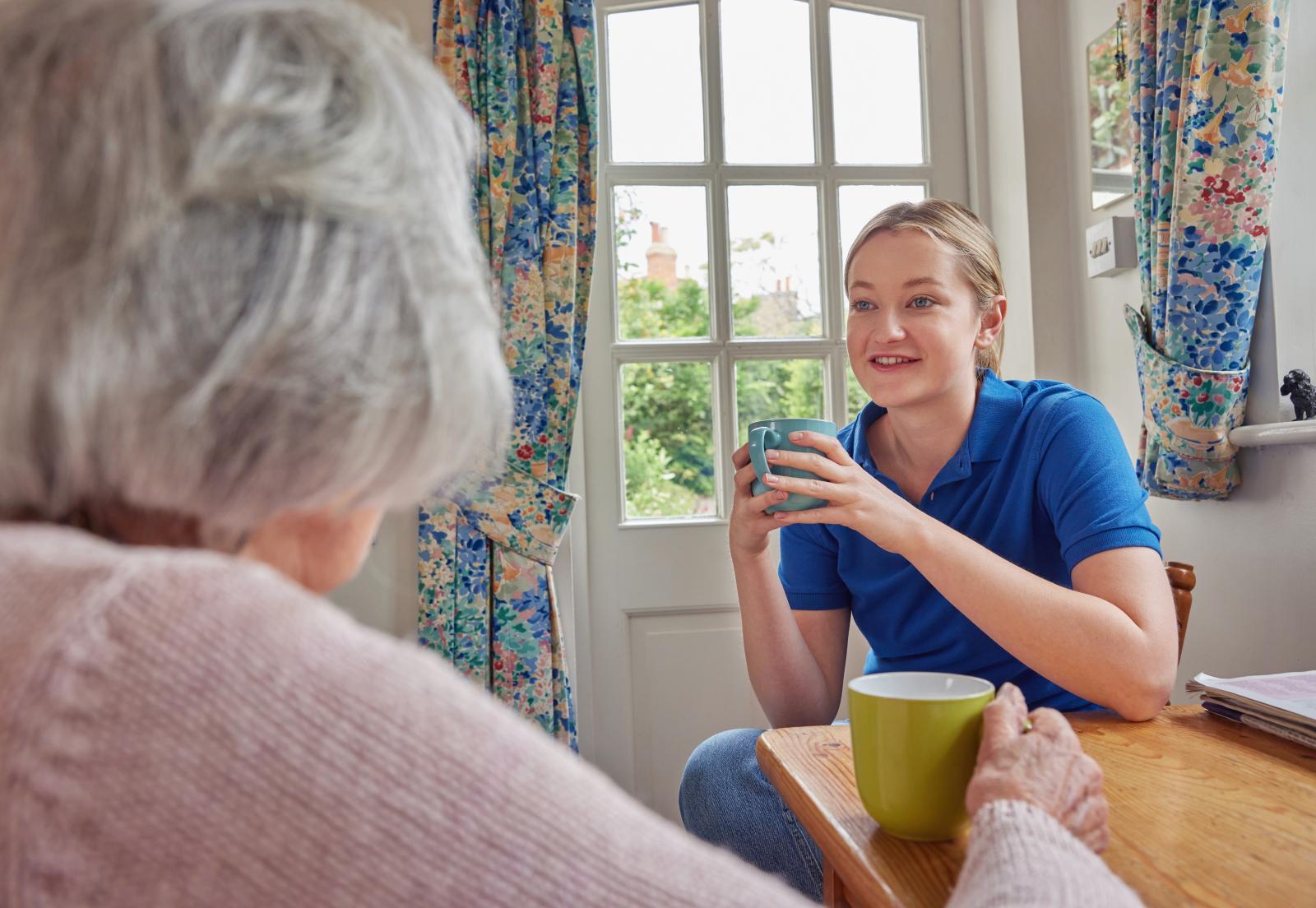
A central feature of the proposed National Care Service is the removal of personal care charges.
The reforms would cover support with everyday activities, including:
- Eating
- Washing and bathing
- Dressing
- Using the toilet
- Other essential personal care needs
The Government argues that the current system creates unfair outcomes, with eligibility and costs often varying according to whether somebody's needs are classified primarily as healthcare or social care.
Ministers cite evidence showing that around three-quarters of adults aged over 65 will require some form of care and support later in life, while one in seven could face care costs exceeding £100,000.
While personal care would become free under the new system, accommodation and living costs would remain subject to existing means-tested arrangements.
The Government confirmed that:
- Bed-and-board costs would not be included in the National Care Service offer.
- Local authorities would continue to disregard the value of a home where a partner or dependent relative remains living there.
- Deferred payment agreements would remain available to eligible individuals wishing to avoid selling their home during their lifetime to fund care costs.
The Prime Minister described social care as one of several entrenched public policy challenges that governments have struggled to resolve, arguing that reform is necessary to provide greater dignity, security and peace of mind for older people.
The Government says the National Care Service will create a more consistent system of support while helping reduce pressures across hospitals, community services and local authority care provision.
Details of how the service will operate in practice will be developed further following recommendations from Baroness Casey's Commission, with additional public consultation planned over the coming months.
Image credit: iStock