
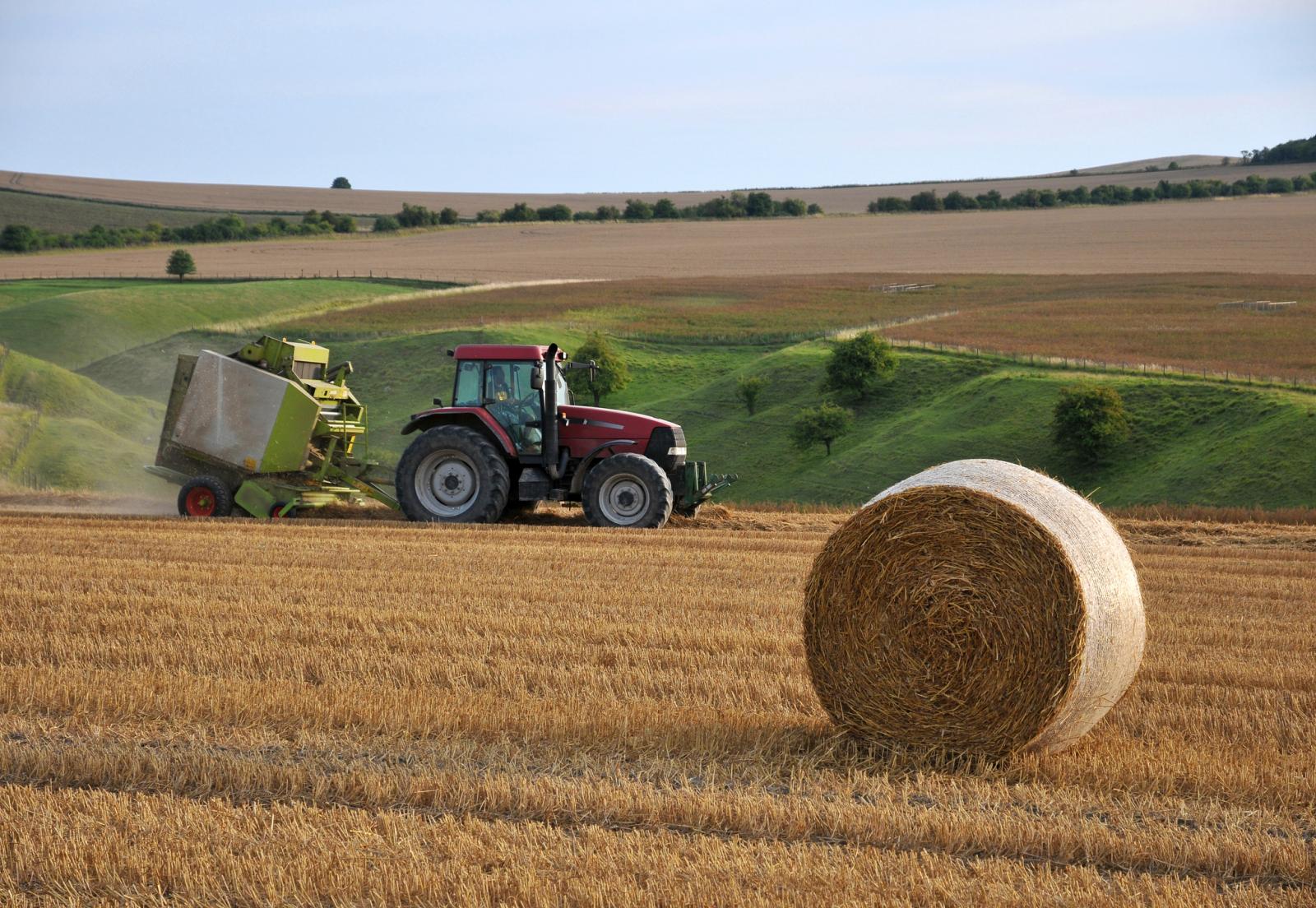

Farmers across England will benefit from a £43 million government funding package designed to help businesses cope with drought, reduce operating costs and strengthen long-term resilience, Environment Secretary Dame Angela Eagle has announced.
The package comes after a difficult year for many rural communities, with prolonged dry weather and wildfire conditions placing additional pressure on food production and farm profitability.
The funding includes £15 million for water storage infrastructure projects and a further £28 million for agricultural innovation, with a focus on improving soil health, water quality and environmental management.
The measures form part of a wider government effort to help farming businesses adapt to changing climate conditions while maintaining domestic food production and supporting rural economic growth.
New Funding for Water Storage Projects
Applications for the Water Management Grant will open on 30 November 2026, allowing farmers to apply for support to build reservoirs and water storage facilities that can provide greater security during future periods of drought.
The grant scheme will remain open until 23 February 2027 and, unlike previous funding rounds, applications will not be assessed on a first-come, first-served basis.
This means farmers will have the full 12-week application window to develop proposals without being disadvantaged by later submissions.
In a move widely welcomed by the sector, applicants will also be able to apply before securing all planning and licensing permissions, reducing bureaucracy and accelerating access to funding.
Record Investment in Farming Innovation
Alongside the water infrastructure funding, ministers have announced the largest-ever Farming Innovation Programme competition, worth up to £28 million.
The programme will support practical projects focused on:
- Improving soil health
- Enhancing water quality
- Better environmental management
- Increasing farm productivity and resilience
- Reducing input costs
Previous funding rounds have already supported companies such as ElentecBioAg, which developed technology that converts dairy cow slurry into valuable fertiliser nutrients, helping farmers reduce waste and create additional revenue opportunities.
Industry Engagement on Fertiliser Security
The government has also launched a new Fertiliser Sustainability and Resilience Plan, inviting experts and industry stakeholders to help shape future policy.
The move follows significant volatility in fertiliser markets, with government data showing some fertiliser prices increased by 30% between February and April 2026.
Ministers hope the plan will encourage greater domestic production and reduce exposure to international supply chain disruptions and price shocks.
Changes Planned for Farming Support Schemes
The Environment Secretary is also expected to announce reforms to the Sustainable Farming Incentive (SFI), moving away from the current first-come, first-served allocation model.
Meanwhile, a new trial beginning this month will expand access to Countryside Stewardship Higher Tier agreements, allowing farmers managing common land, including areas such as Dartmoor, to participate for the first time.
The change is expected to open additional environmental funding opportunities to land managers who have previously been excluded from the scheme.
Dame Angela Eagle, Environment Secretary, said:
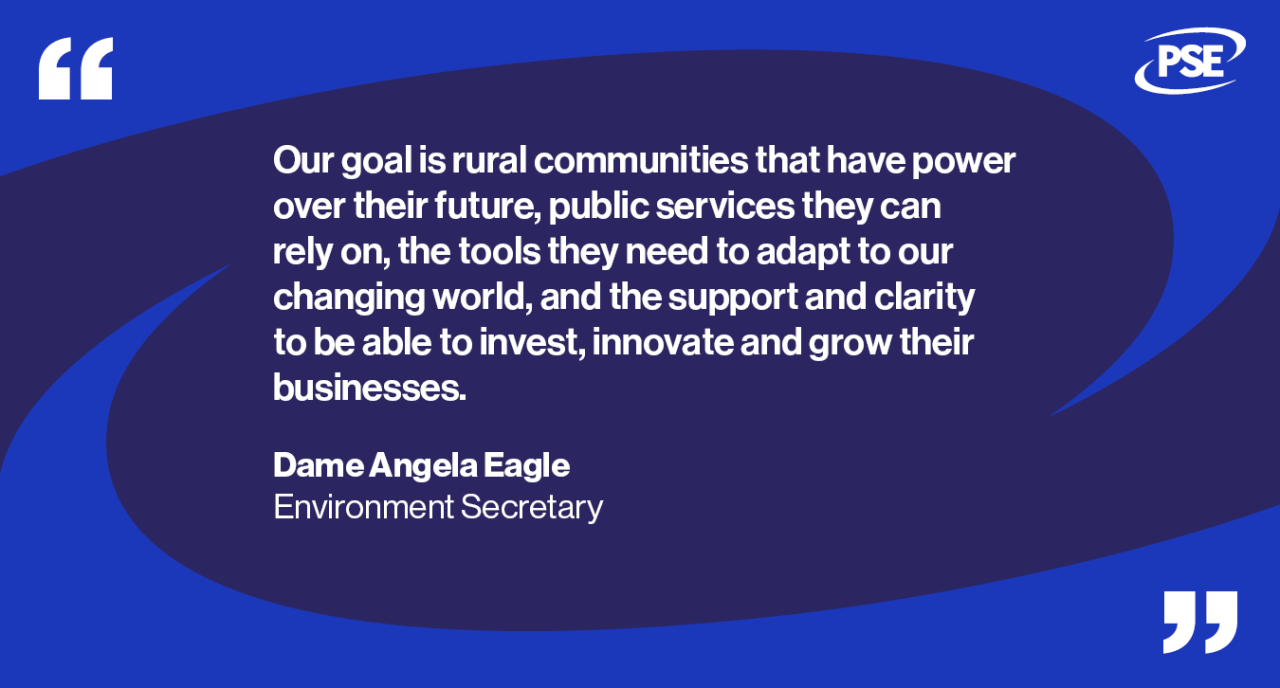
“Our goal is rural communities that have power over their future, public services they can rely on, the tools they need to adapt to our changing world, and the support and clarity to be able to invest, innovate and grow their businesses.
“Working together, we can ensure the 9.7 million people who call rural England home benefit from the prosperity they help create, protect our precious natural environment for future generations, and unlock growth in every rural postcode.”
The funding package represents one of the largest recent investments aimed at improving farm resilience, with ministers arguing that better water security, innovation and environmental management will be critical to protecting food production as climate pressures continue to intensify.
Image credit: iStock