
Local government reorganisation asks councils to prepare for profound change: new structures, joined-up services and decisions about how work should be organised in the future. But what happens when plans are paused, withdrawn or redirected after months of preparation? Essential services still have to run, staff need support, and leaders must decide what work is worth continuing.
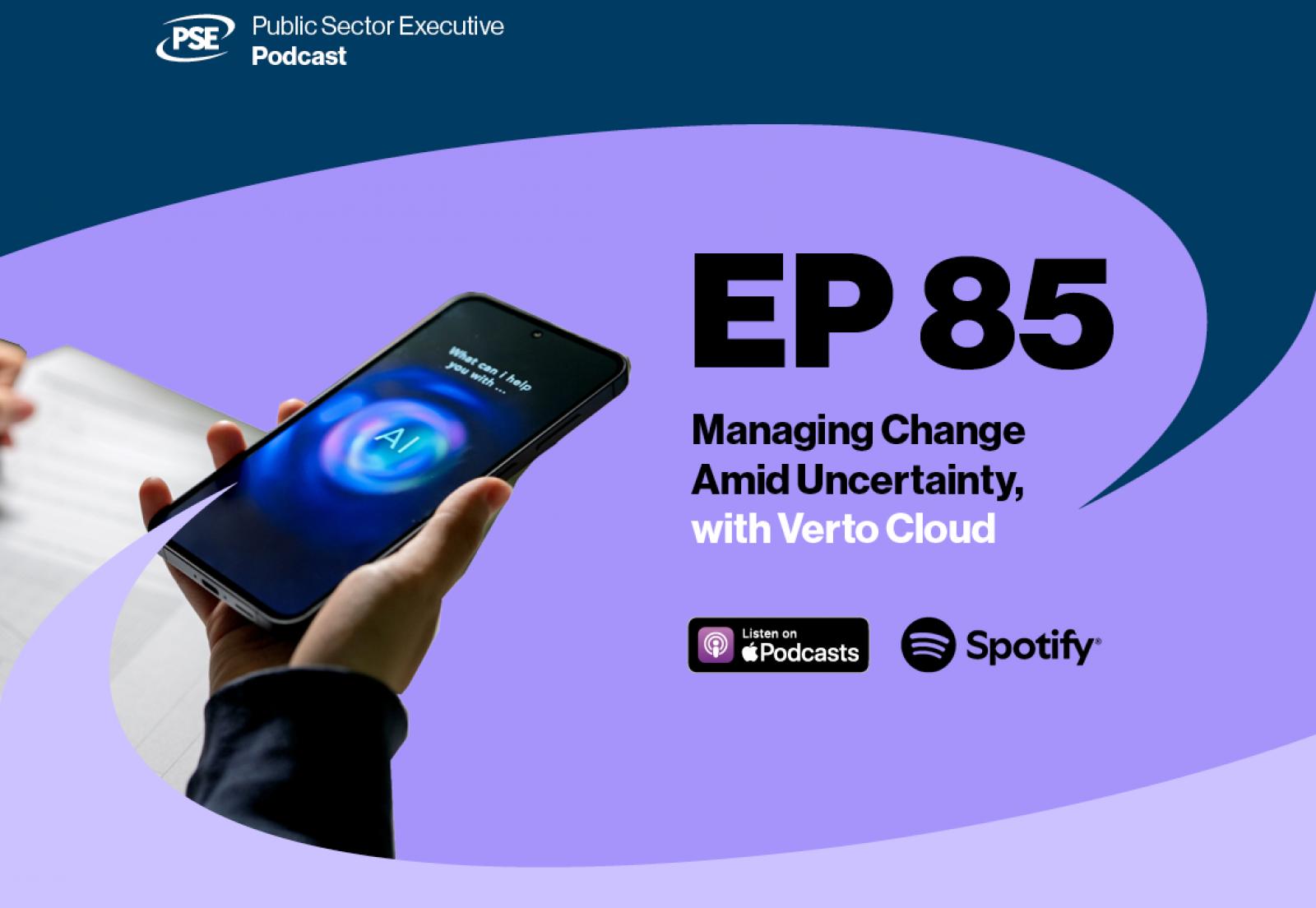
In this episode of the Public Sector Executive Podcast, host Roy Rowlands is joined by Simon Sharp, chief executive of Verto, and Ross Mardell, Verto’s chief product officer and co-founder. Drawing on experience across local government and the wider public sector, they offer a practical way to think about change when certainty is in short supply.
Ross describes the importance of identifying “no regrets” projects: work that makes sense whatever the eventual shape of an organisation. Simplifying an unwieldy IT estate is one example. Reducing the number of applications a council has to maintain can help improve oversight and efficiency, whether or not neighbouring authorities eventually merge.
The same principle applies to getting core organisational foundations in order. Simon argues that better governance, clear visibility and accurate, well-managed data are not preparation for just one possible future. They make it easier for councils to respond when plans change, while helping them understand what is happening across the organisation today.
That reframes the question of whether work on a paused reorganisation has been wasted. If it has helped an authority move away from fragmented spreadsheets and disconnected information towards a reliable, auditable source of truth, that progress can still support future decisions and day-to-day delivery.
Councils cannot put business-as-usual work on hold while they prepare for structural change. Adult and children’s social care, waste services and other essential functions must continue. Simon’s advice is to avoid treating transformation and business as usual as separate worlds. Bringing both into a single portfolio helps leaders see how resources and activity connect to corporate objectives.
With that visibility, authorities can make more informed decisions and explore different scenarios. If a reorganisation takes one direction, what might that mean for services, systems and resources? What if it takes another? Ross points out that leaders can only work through those possibilities if they have a clear picture of both ongoing services and project activity.
The conversation also tackles the growing interest in AI. Ross warns that AI can make poor-quality information sound convincing: “rubbish in, sensible rubbish out”. That makes data quality and verification essential. If teams cannot trust the information being analysed, they cannot confidently trust the results.
Rather than treating AI as a silver bullet, the guests recommend starting with focused use cases, using data that can be checked and comparing outputs against known information. As confidence grows, organisations can consider expanding their use. Consistent processes and well-structured records help make that progression possible.
For leaders dealing with uncertainty, the episode’s central message is practical: focus on what can be controlled. Councils may not know when reorganisation plans will resume or what the eventual outcome will be. They can, however, improve data, strengthen governance, keep services in view and support staff through change.