

Communities across England are set to take a leading role in restoring nature and strengthening resilience against climate change after the Environment Secretary unveiled £79 million in new funding for local environmental initiatives.
The investment package will support both large-scale tree planting and locally led environmental strategies, giving councils, community organisations, businesses and residents greater influence over how their areas tackle climate risks such as flooding, extreme heat and biodiversity loss.
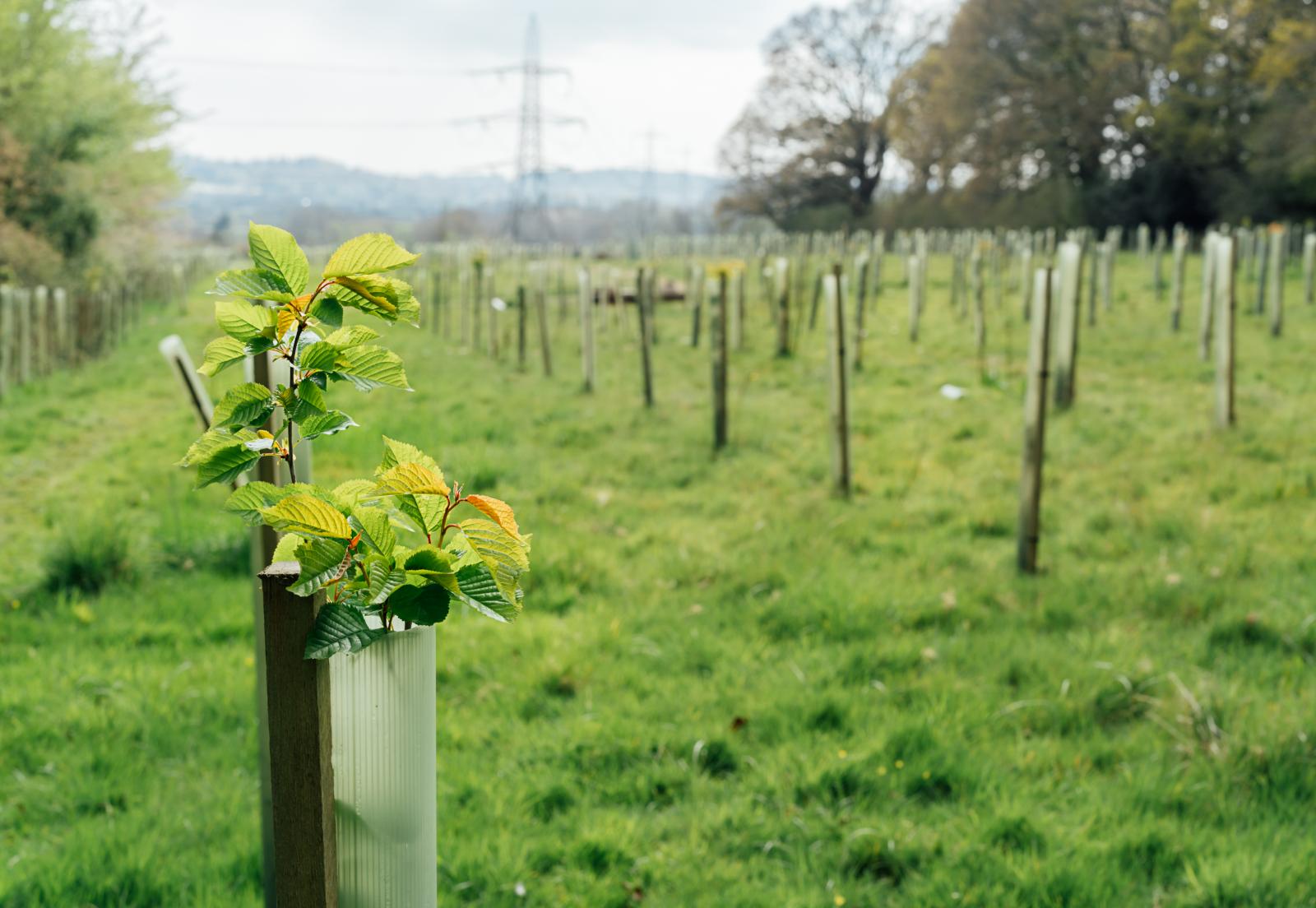
A major element of the funding includes £53 million for a new Community Trees Fund, which will run between April 2027 and March 2030. The programme aims to support the planting of up to 500,000 trees outside traditional woodland settings, including streets, parks, public spaces and rural landscapes.
The Government says the investment will help communities prepare for increasingly frequent extreme weather events while creating greener and healthier local environments.
Trees play a critical role in climate adaptation. In urban areas, street trees can lower temperatures by up to 4°C during heatwaves, helping residents cope with rising temperatures. A single mature tree can also intercept more than 15,000 litres of rainwater each year, reducing surface water runoff and lowering flood risk during heavy storms.
Beyond climate resilience, increasing tree coverage provides valuable habitats for wildlife in nature-depleted urban areas, while also helping to tackle noise pollution and improve physical and mental wellbeing.
The funding will be available to local authorities, mayoral authorities, environmental organisations and community groups, enabling them to expand green infrastructure in areas where people live and work every day.
Officials say the scheme will contribute towards national tree planting targets, support the UK's net-zero ambitions and help make neighbourhoods more resilient to future climate challenges.
Alongside the tree planting investment, the Government is strengthening support for Local Nature Recovery Strategies, a nationwide initiative designed to put environmental decision-making into the hands of local communities.
Local Nature Recovery Strategies are community-owned plans that identify priorities for environmental improvement and conservation at a local level. They are intended to ensure that environmental action reflects the specific challenges and opportunities within different areas of England.
Rather than applying a one-size-fits-all approach, local authorities can use the strategies to focus efforts on the issues most relevant to their communities, whether that involves restoring wetlands to reduce flood risk, planting trees to cool urban centres, or increasing riverside vegetation to improve water quality.
The programme now covers almost the entirety of England and is being delivered through 48 responsible local authorities working alongside residents, farmers, businesses, planners, land managers and environmental groups.
The Government says Local Nature Recovery Strategies are already helping farmers make better-informed land management decisions by aligning conservation priorities with schemes such as the Sustainable Farming Incentive and Countryside Stewardship.
This approach is designed to make it easier for landowners to deliver environmental improvements while maintaining profitable and sustainable farming operations. It also strengthens resilience against changing weather patterns and climate-related challenges.
The additional investment is expected to accelerate progress towards the Government's international commitment to protect and effectively manage at least 30% of land for nature by 2030.
For public sector leaders, the funding signals a significant shift towards community-led environmental action. Local authorities will have greater opportunities to shape climate adaptation programmes while working closely with residents, environmental organisations and business stakeholders.
By combining strategic nature recovery planning with targeted tree planting, ministers hope to create a practical framework that delivers environmental improvements where they are needed most, helping communities tackle climate risks while enhancing public spaces and biodiversity.
As climate pressures continue to grow, the latest funding package positions local communities as key partners in delivering England's long-term environmental and climate resilience goals.
Image credit: iStock